Illinois was first colonized by the French on the Mississippi River. The Kaskaskia area contains the secrets of that time period.
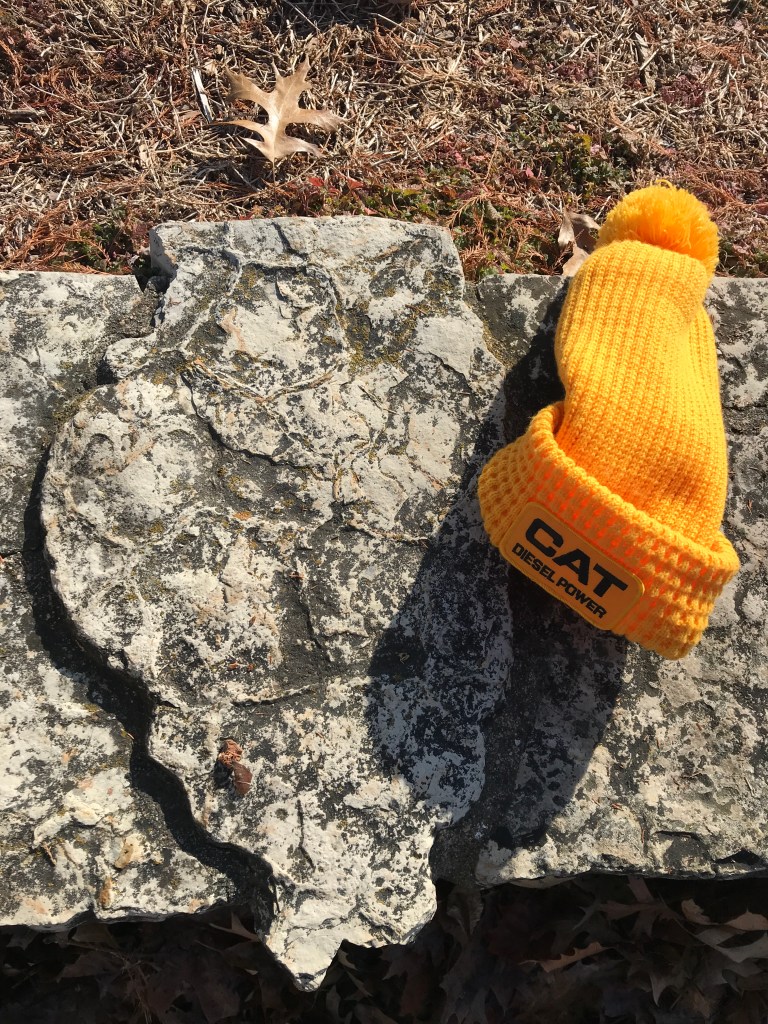
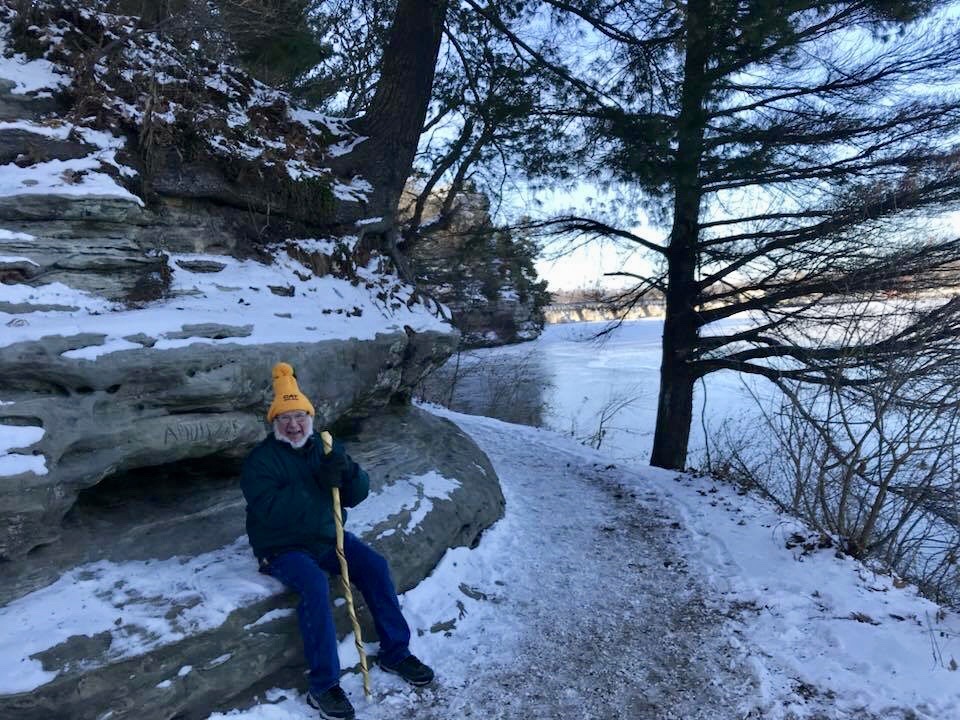
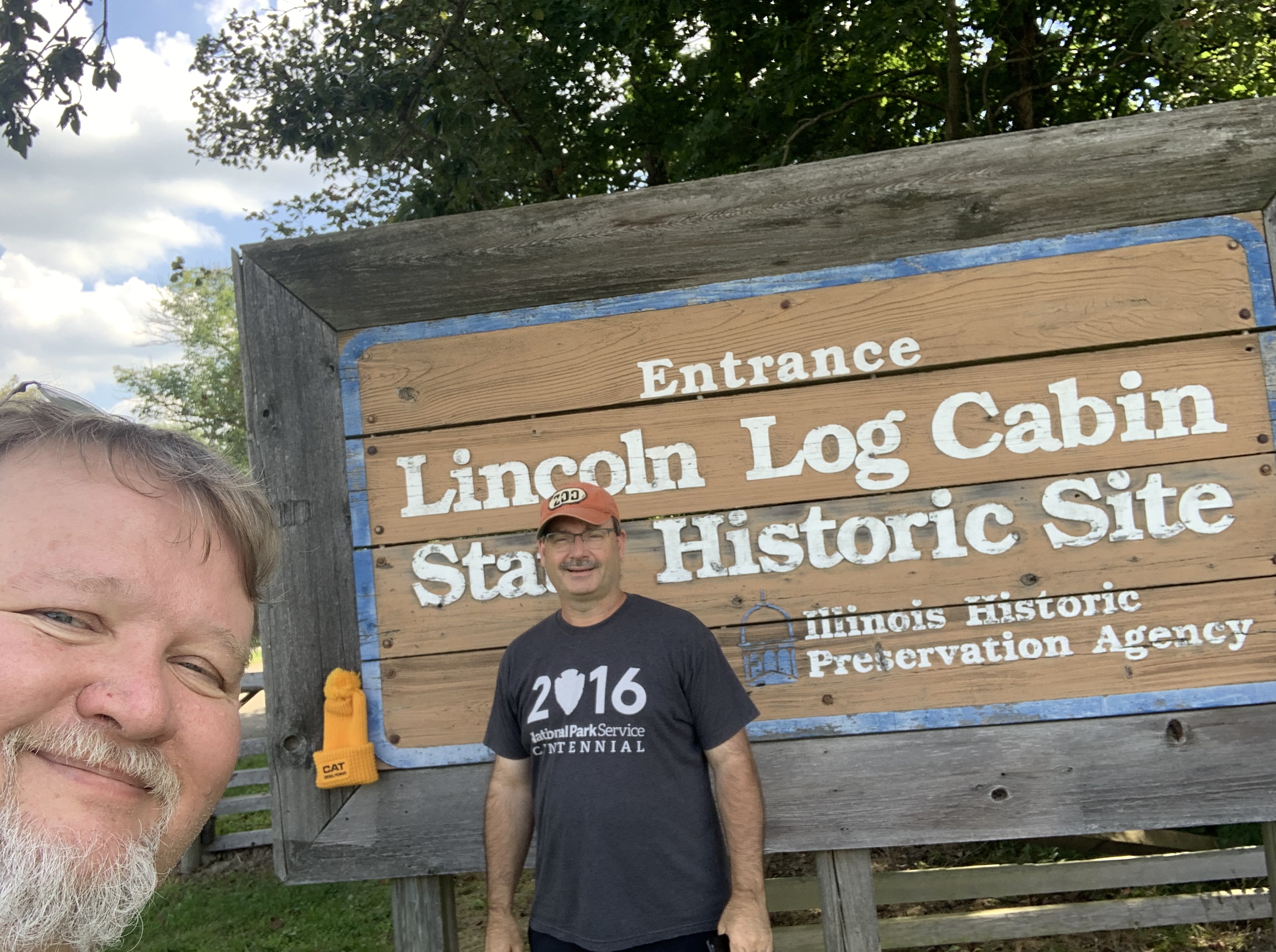
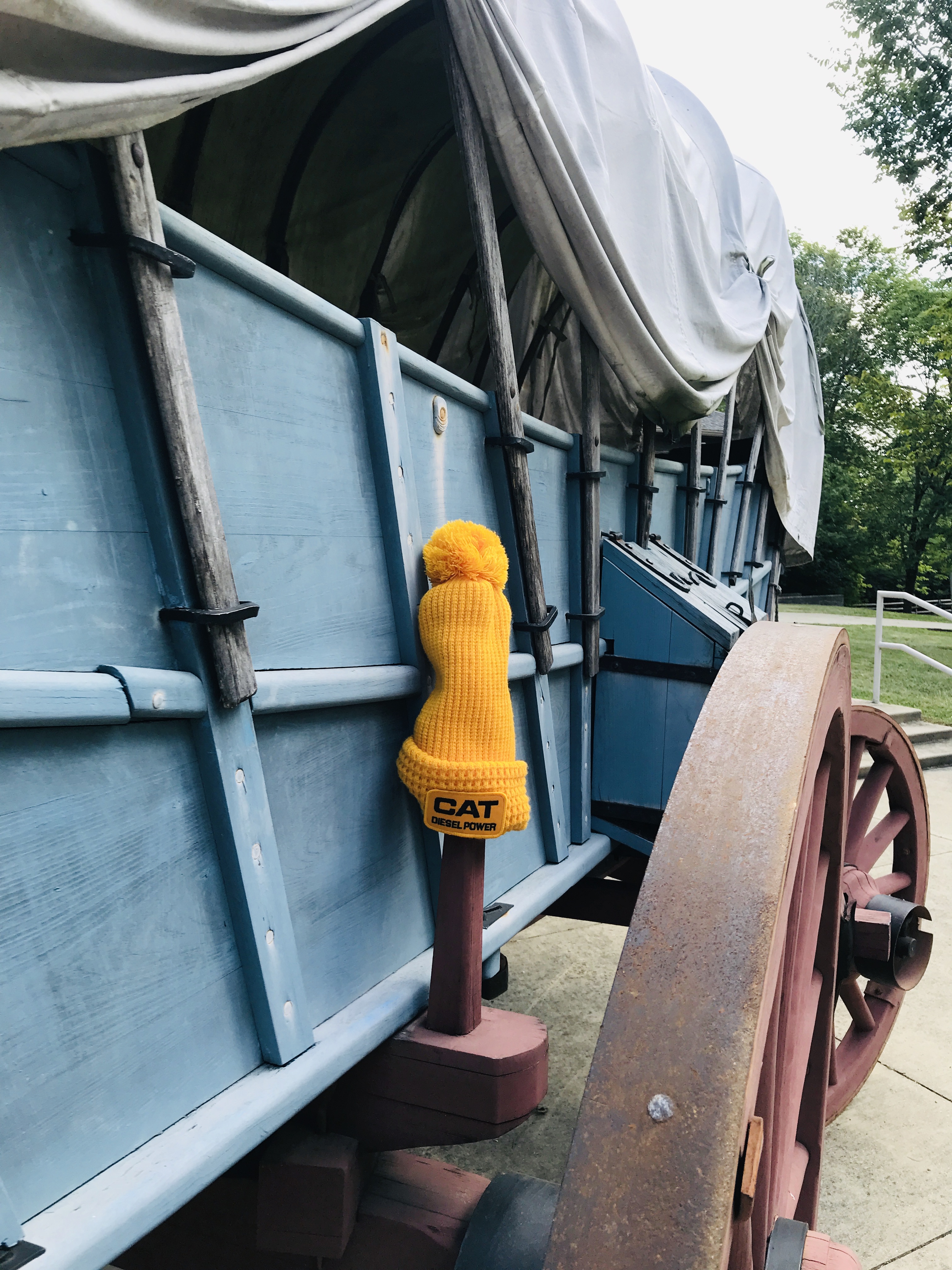
Grandpa’s hat traveling with us
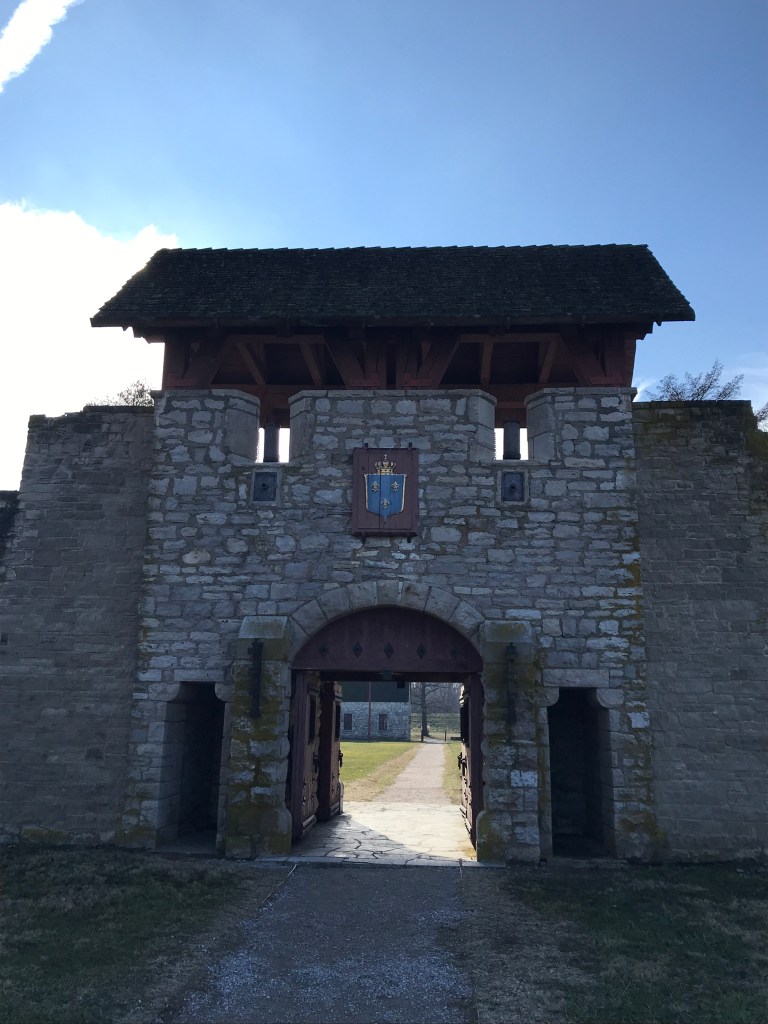
Fort de Chartres provided a staging area for the French communities in the area: Prairie du Rocher and even Ste Genevieve in Missouri.
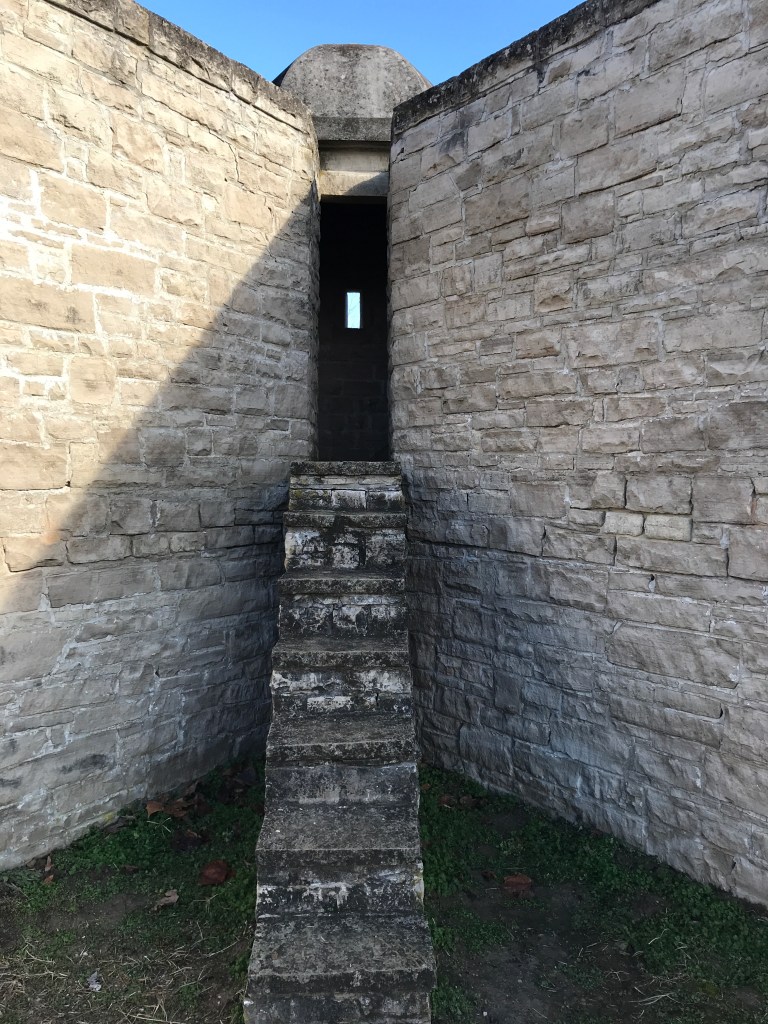
The rear gate TorchlessThe Turret
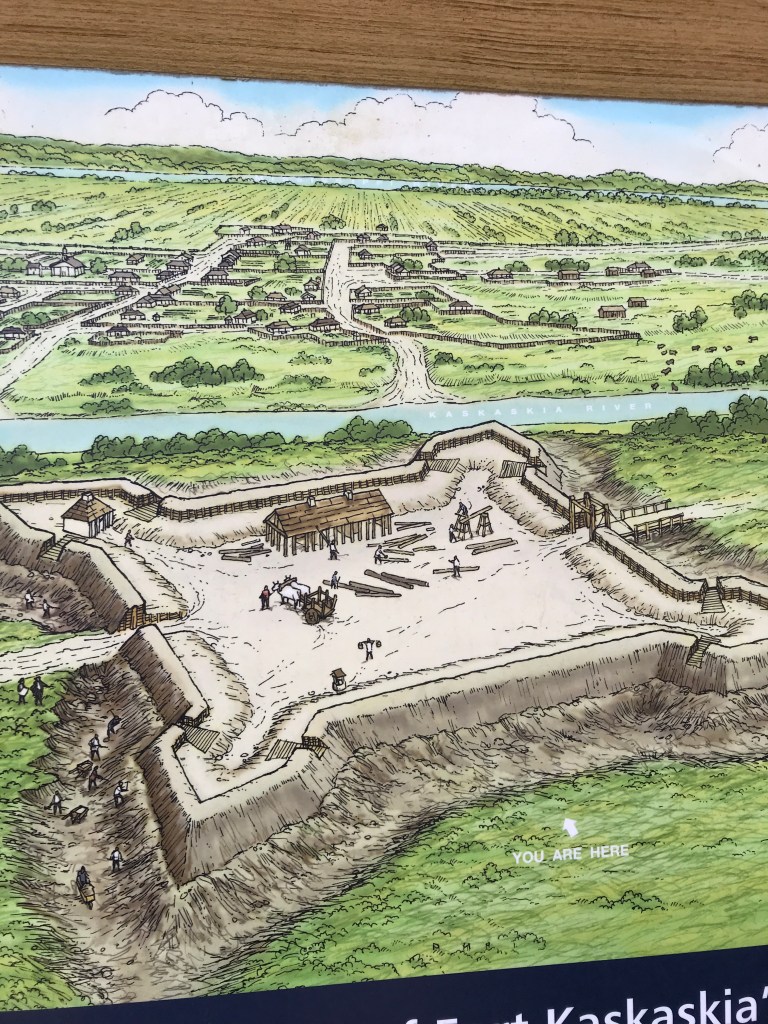
Fort Kaskaskia down the river didn’t fare as well.
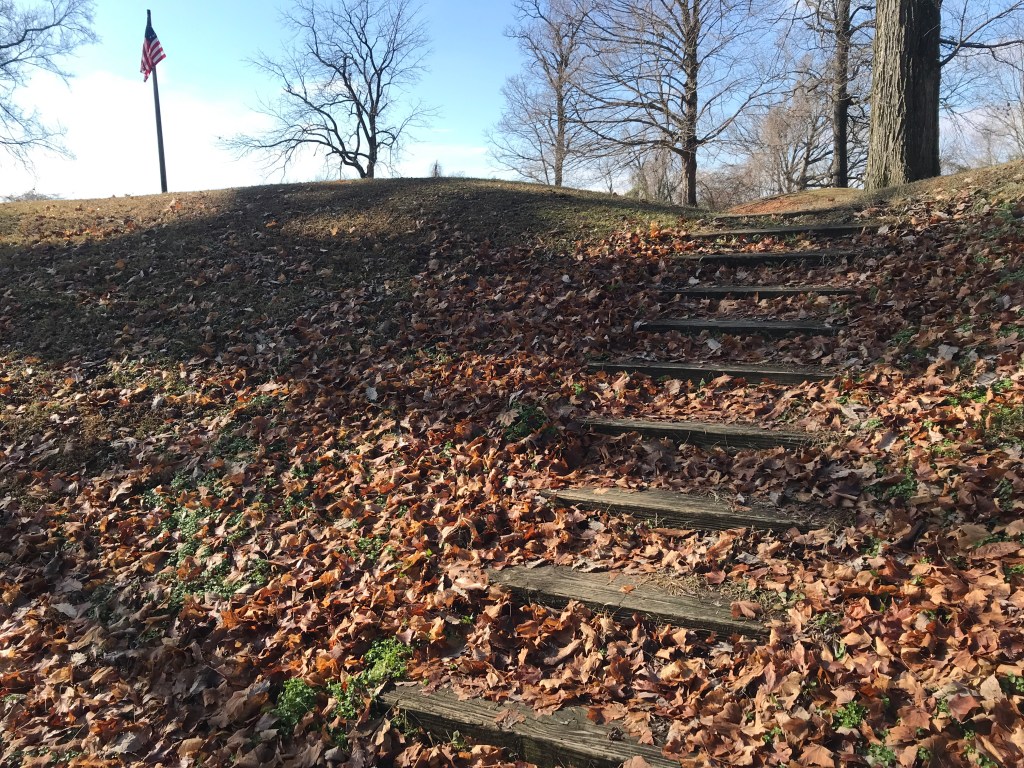
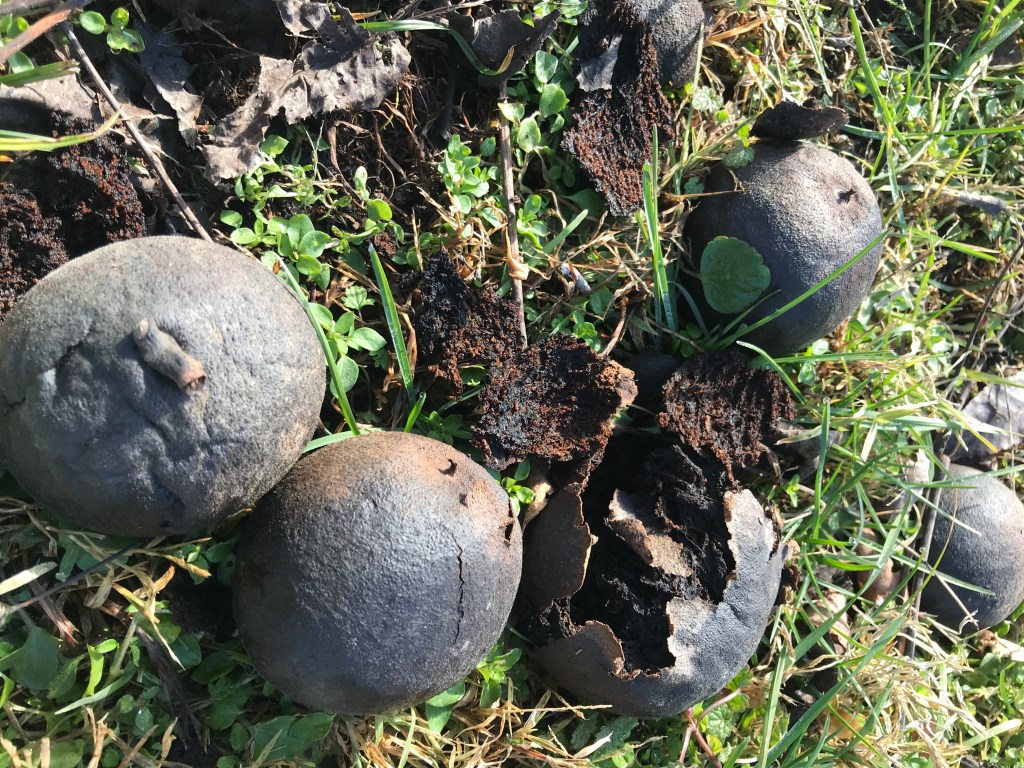
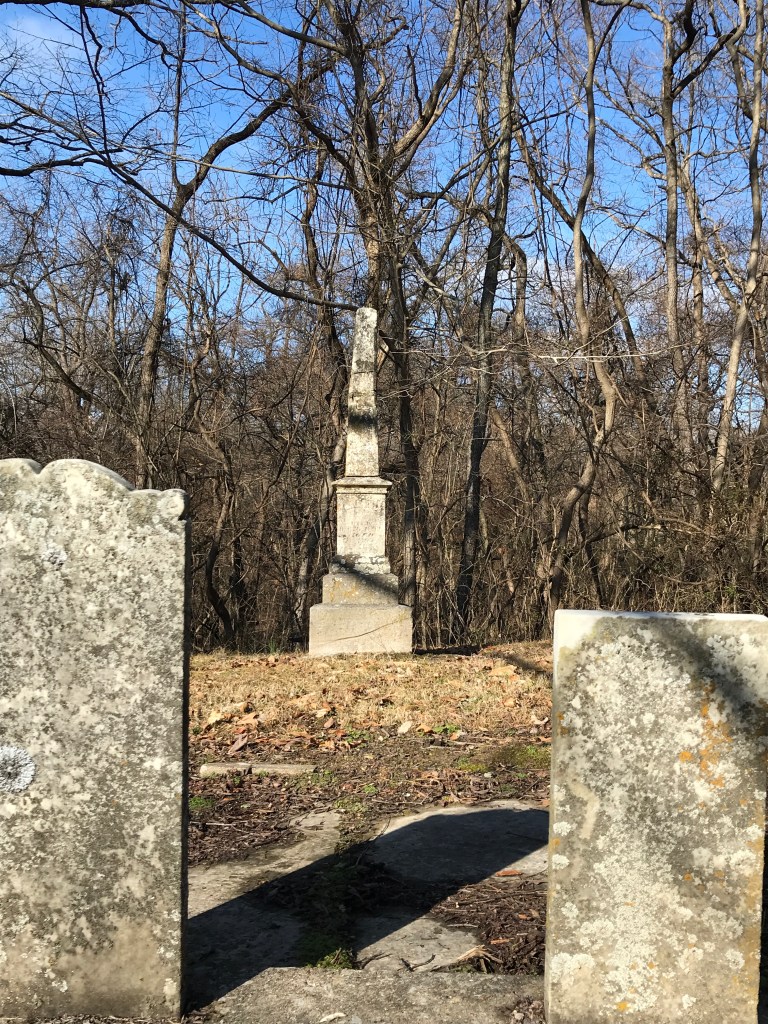
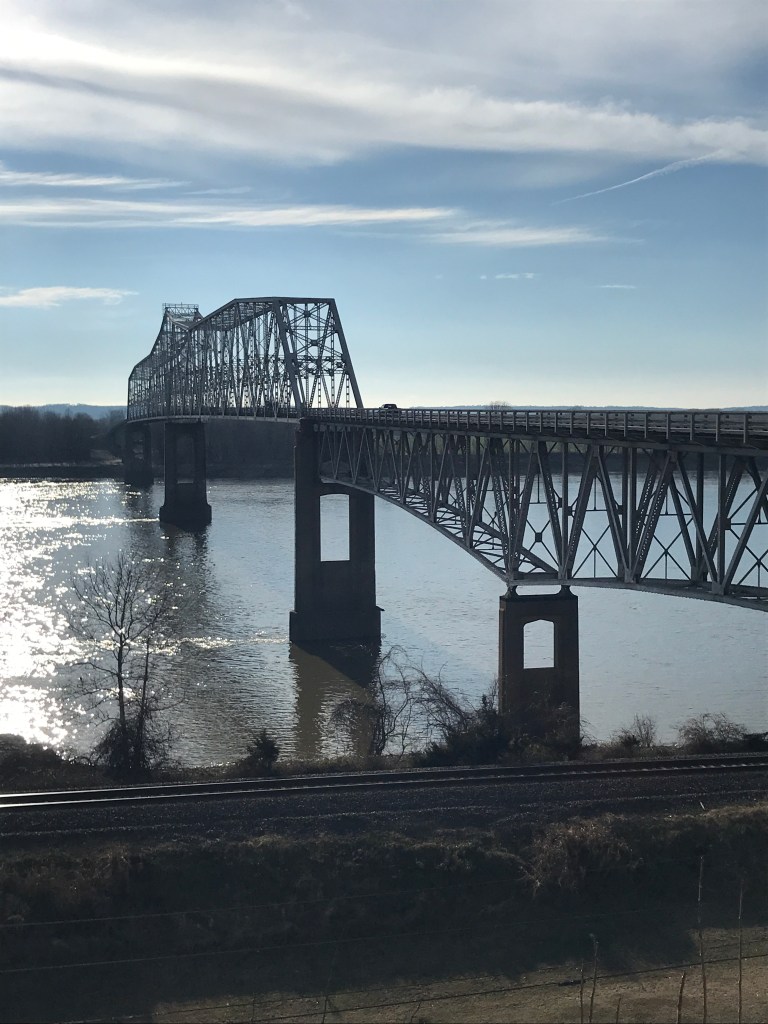
Leading to the Ruins Deterioration of the Walnuts The tombstones of two hundred years The Chester Bridge
The only way to get to the old city of Kaskaskia Illinois is to cross the Mississippi River and drive through Missouri. This is the only section of Illinois west of the Mississippi River.
Much Discord A strange, strange tale
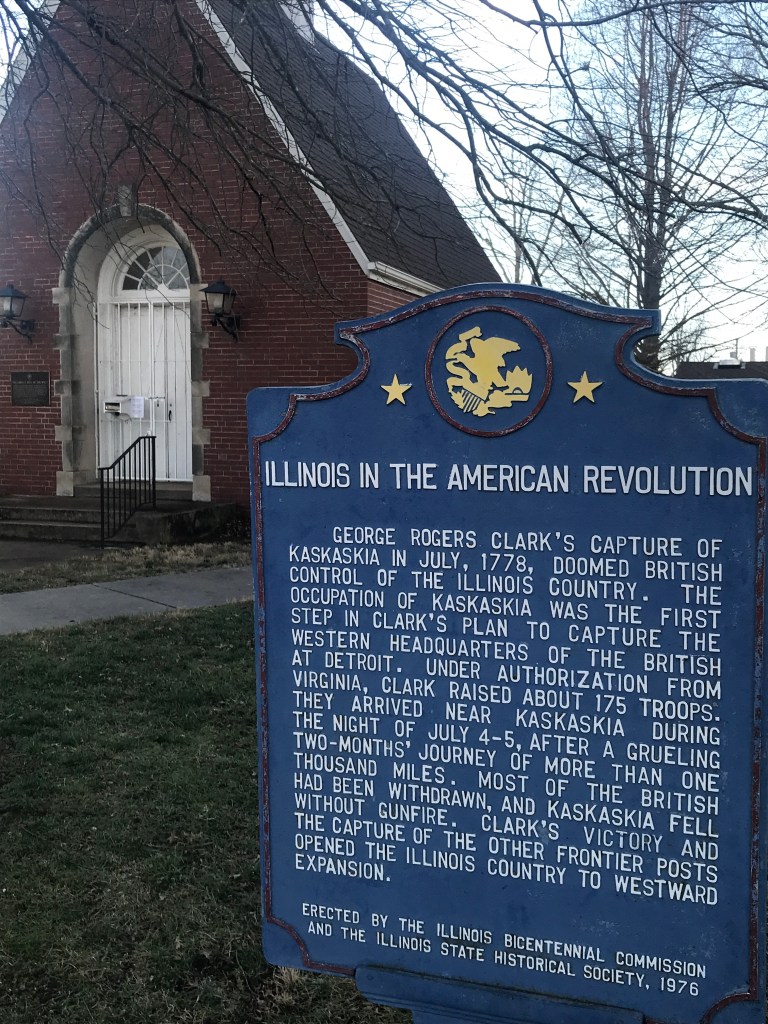
Kaskaskia was the most populous city when Illinois became a state, and it served as the capital for a few years.
1741 – French Colony
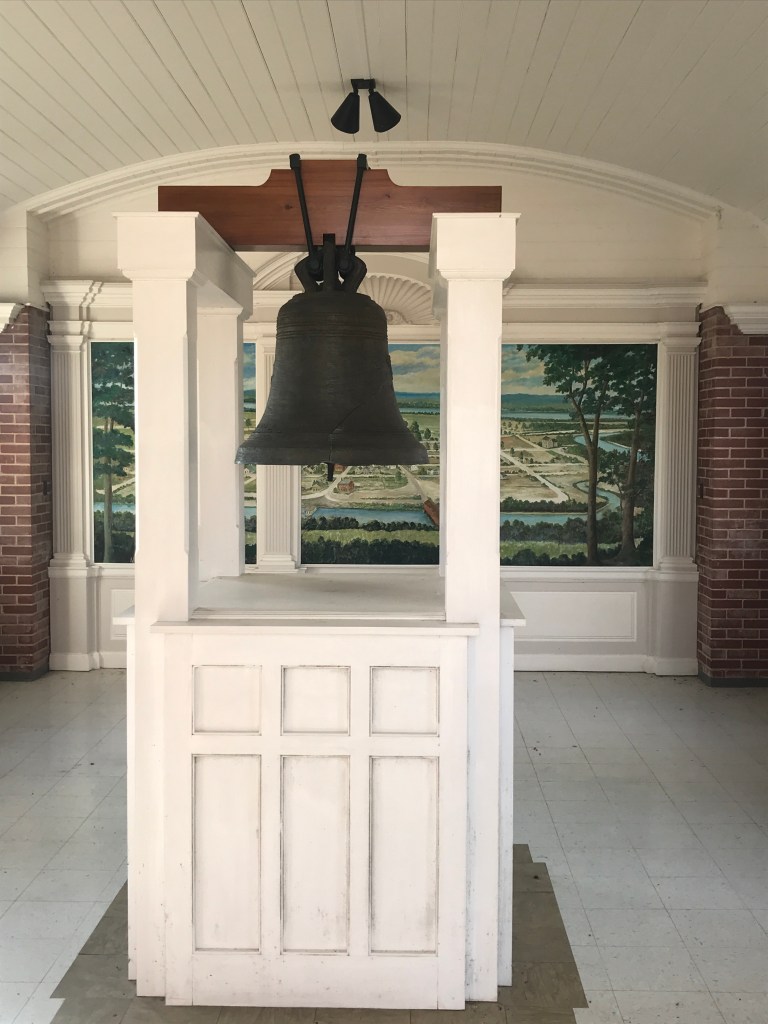
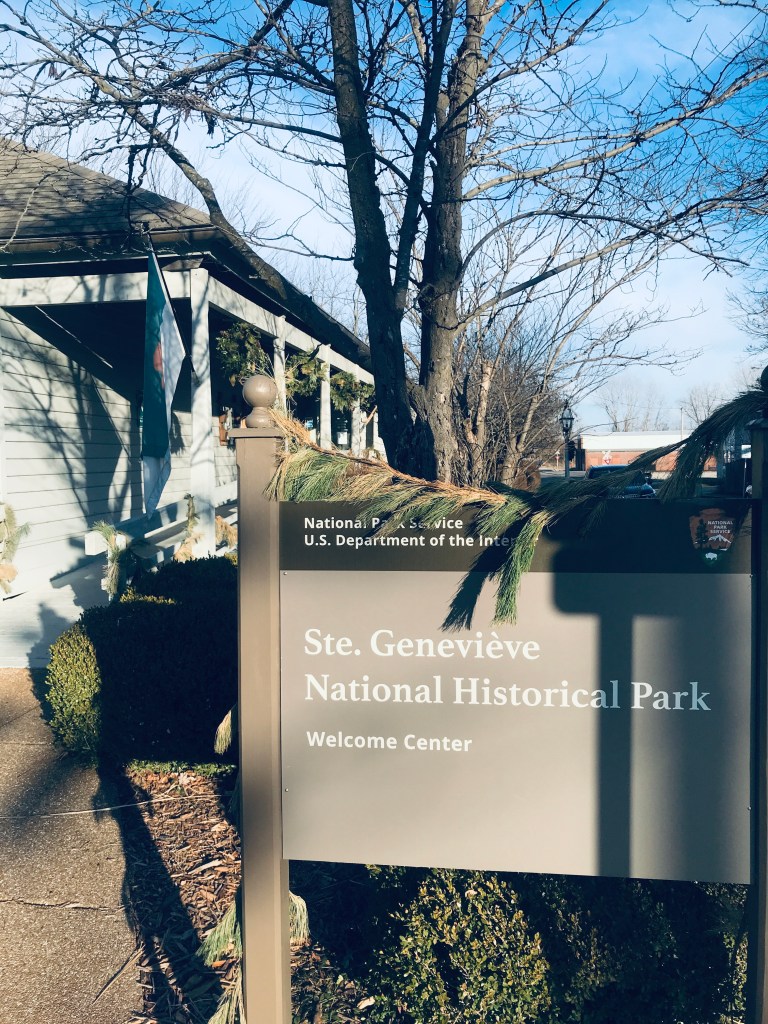
Ste. Genevieve, MO is the oldest continuously inhabited city in Missouri. Kaskaskia and Ste Genevieve are in the same area.
The newest National Park Land Rich French Colonist The Quick Lime Factory The rerouting of the river
In 1881 a major flood wrecked the area and the Mississippi River took over the Kaskaskia river channel. This is how this section of Illinois ended up on the “wrong” side of the river. In the map, the Mississippi is in the background. But in 1881 the mighty Mississippi took over the river in the foreground.
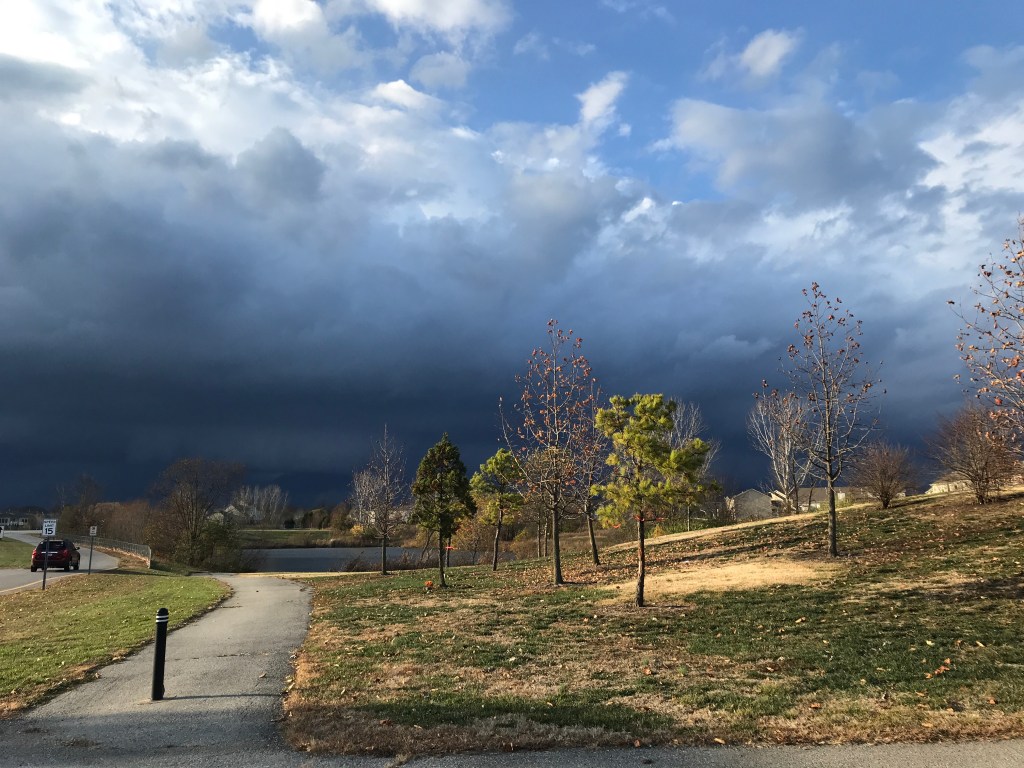
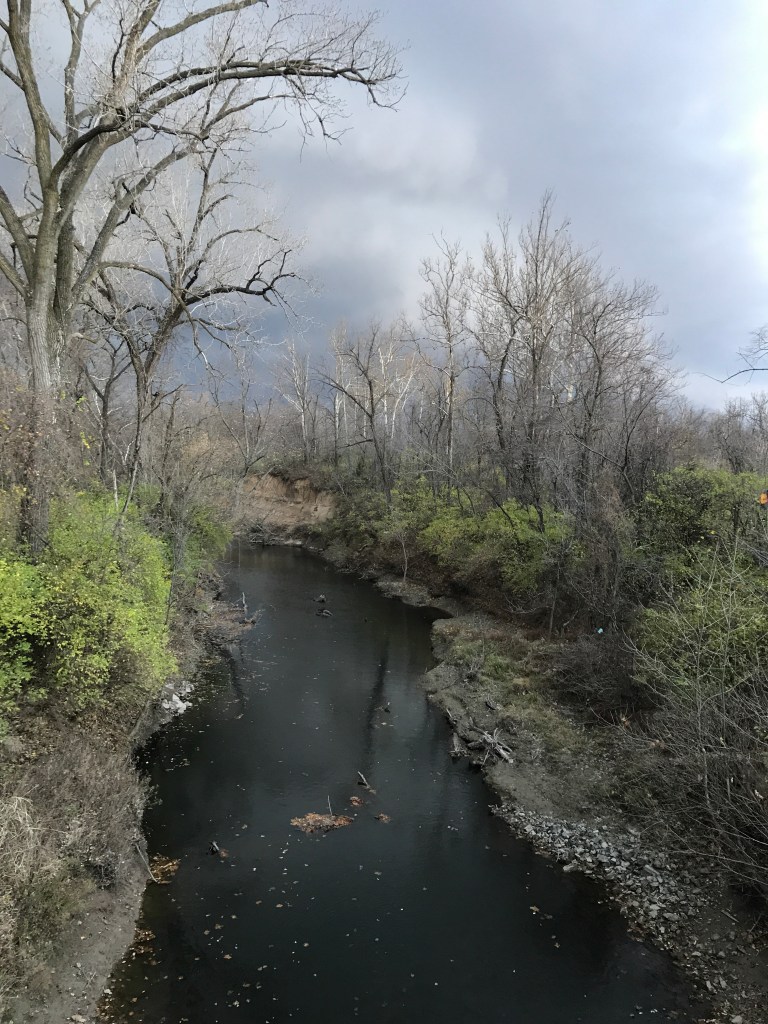
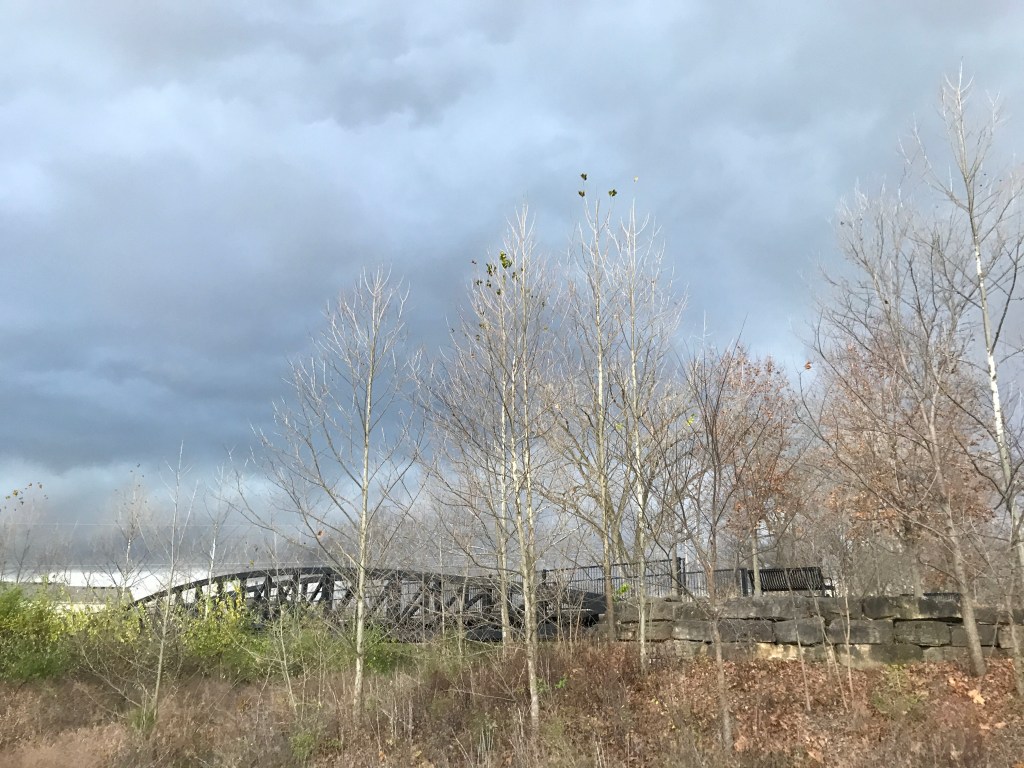
In St Louis Missouri, we are generally prepared for rapid changes in the weather. On my walk this evening, I watched the storm brood on the horizon, but I didn’t realize how fast it was moving.
A dark cloud was coming
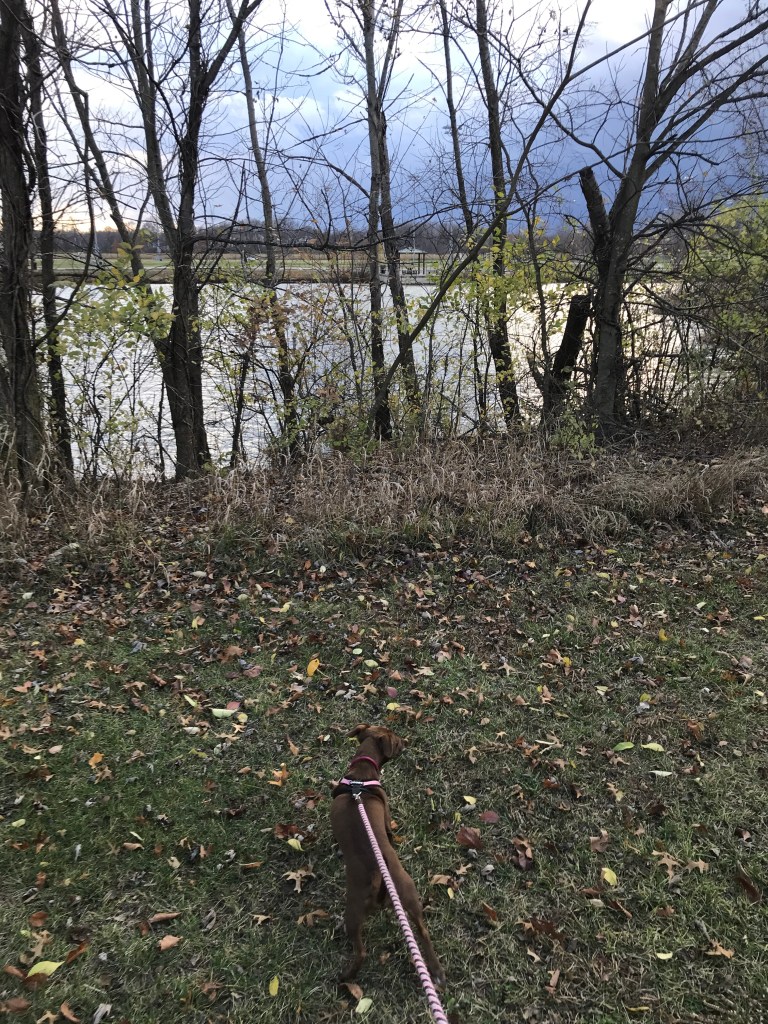
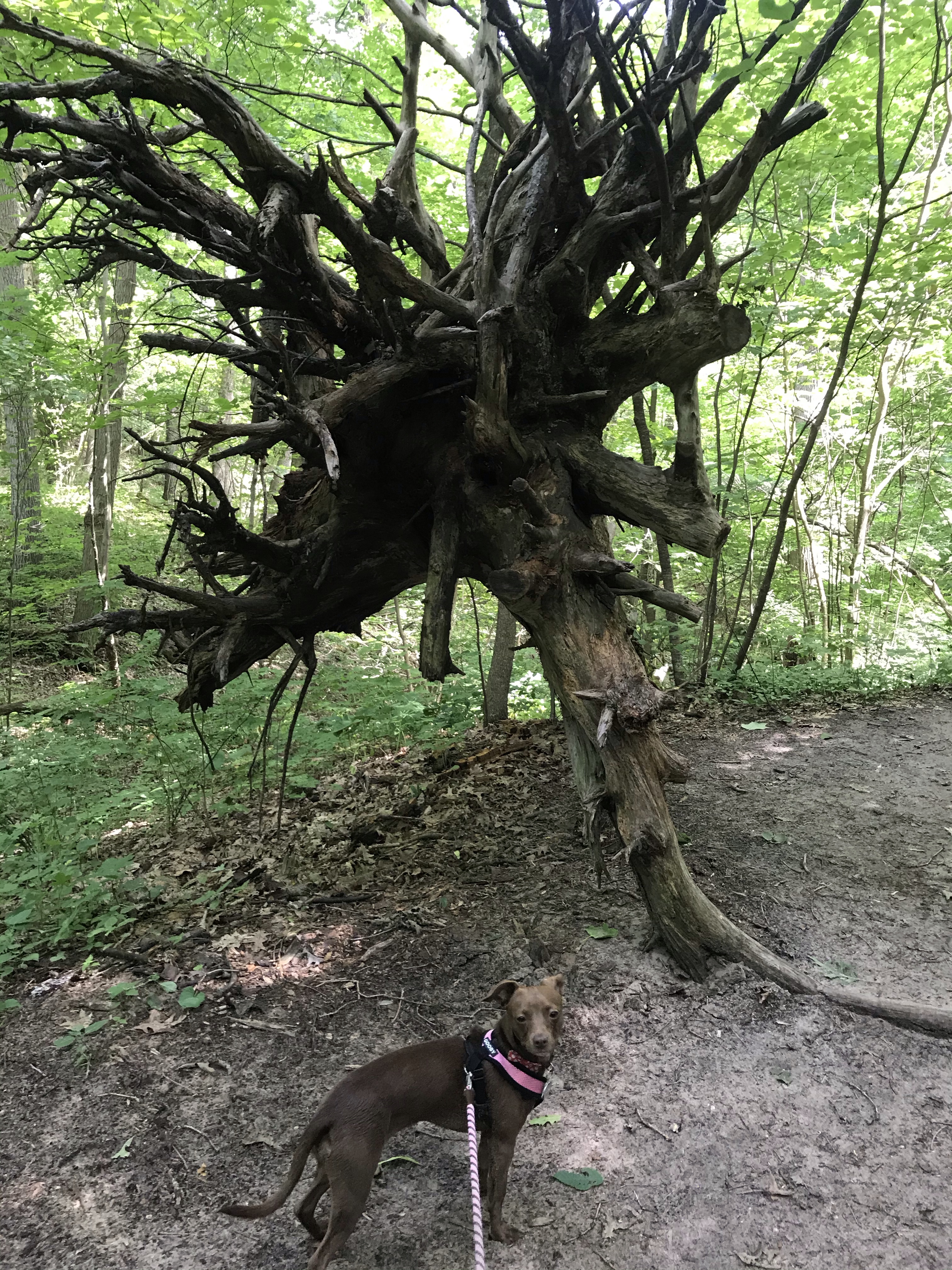
Innocently, my dog and I meandered along the trail. I took photos, while Stash sniffed every shrub.
Ominous
The balmy 79 degrees F felt almost sticky at the beginning. Stash was so happy to be out on a walk.
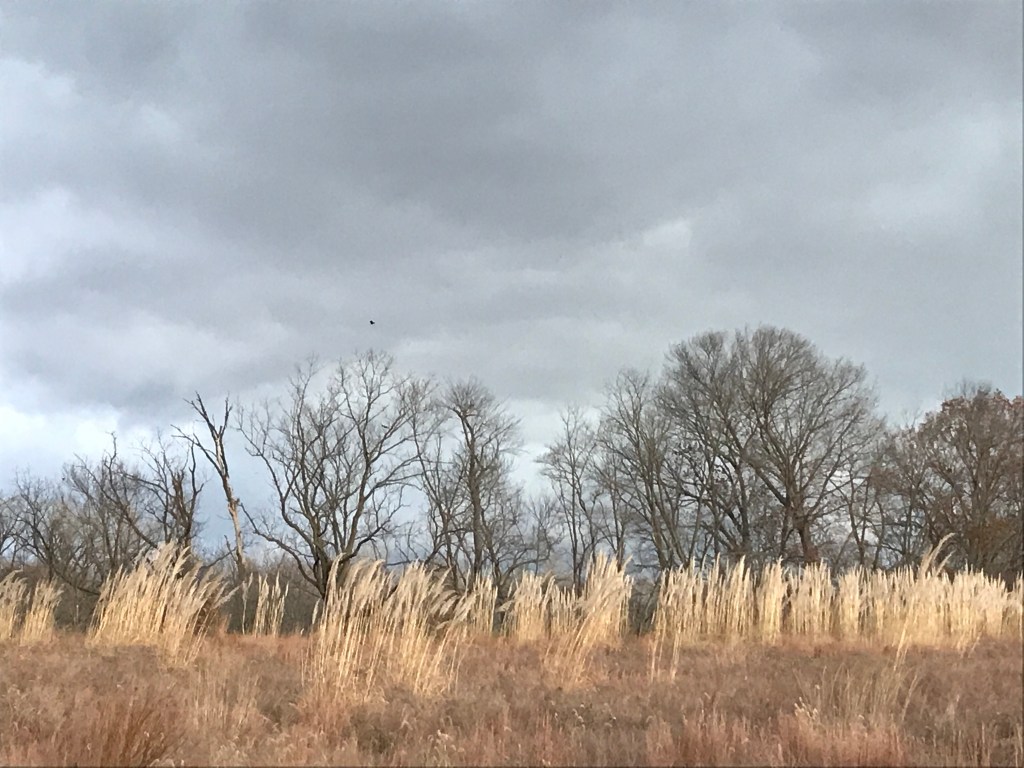
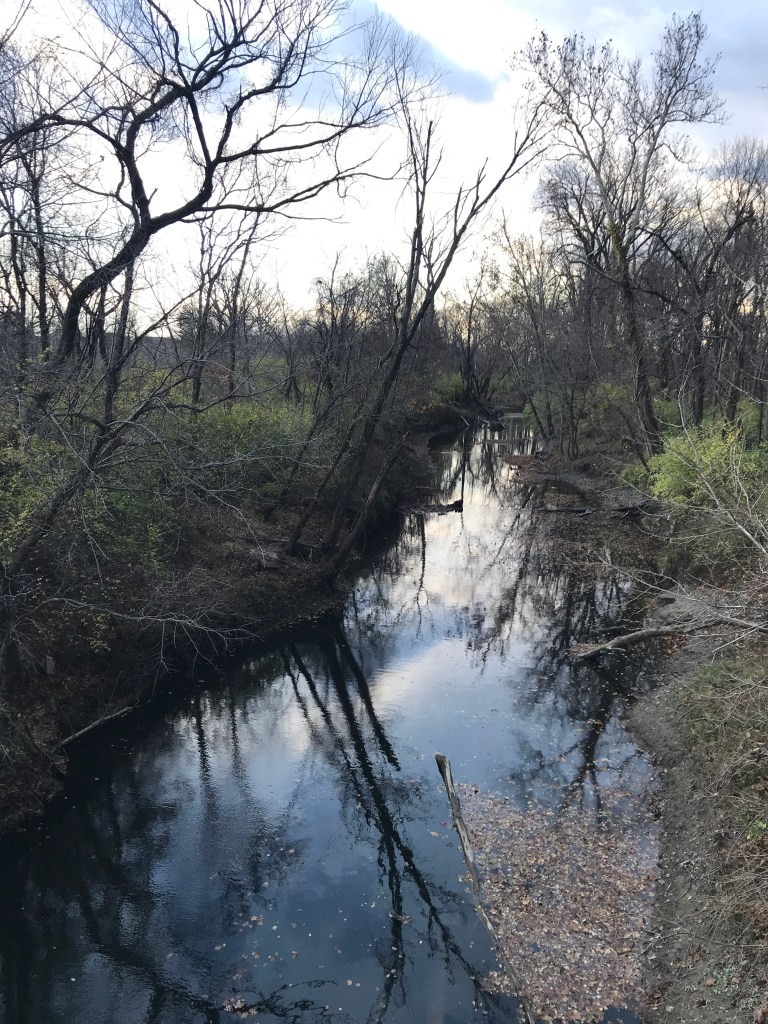
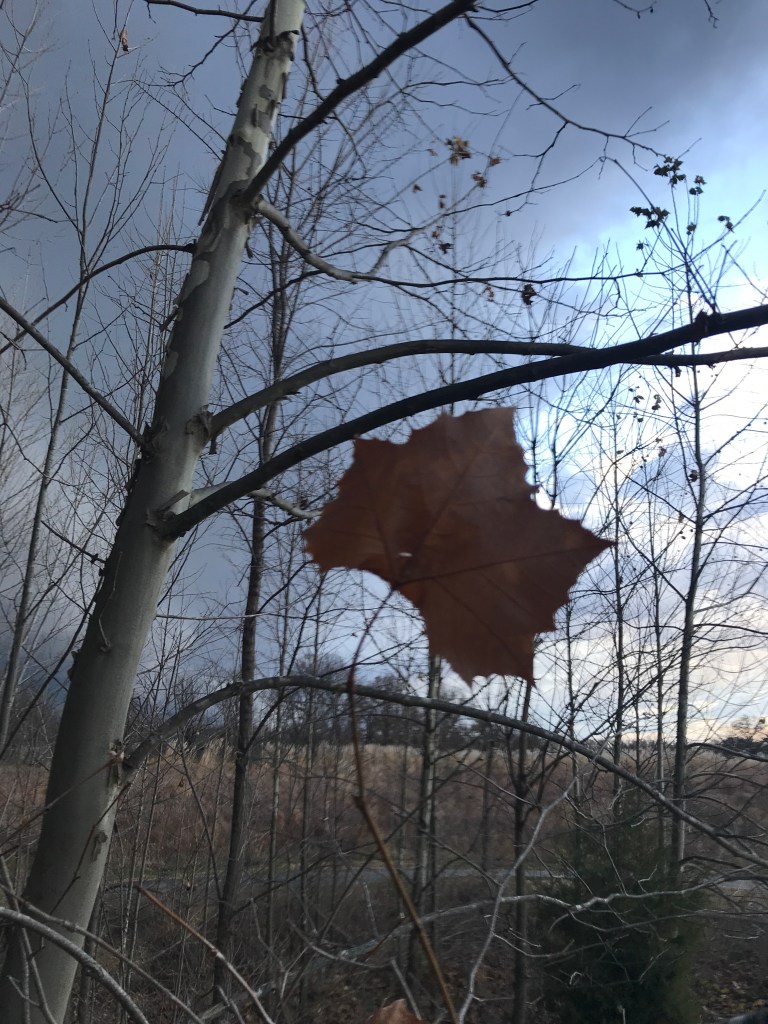
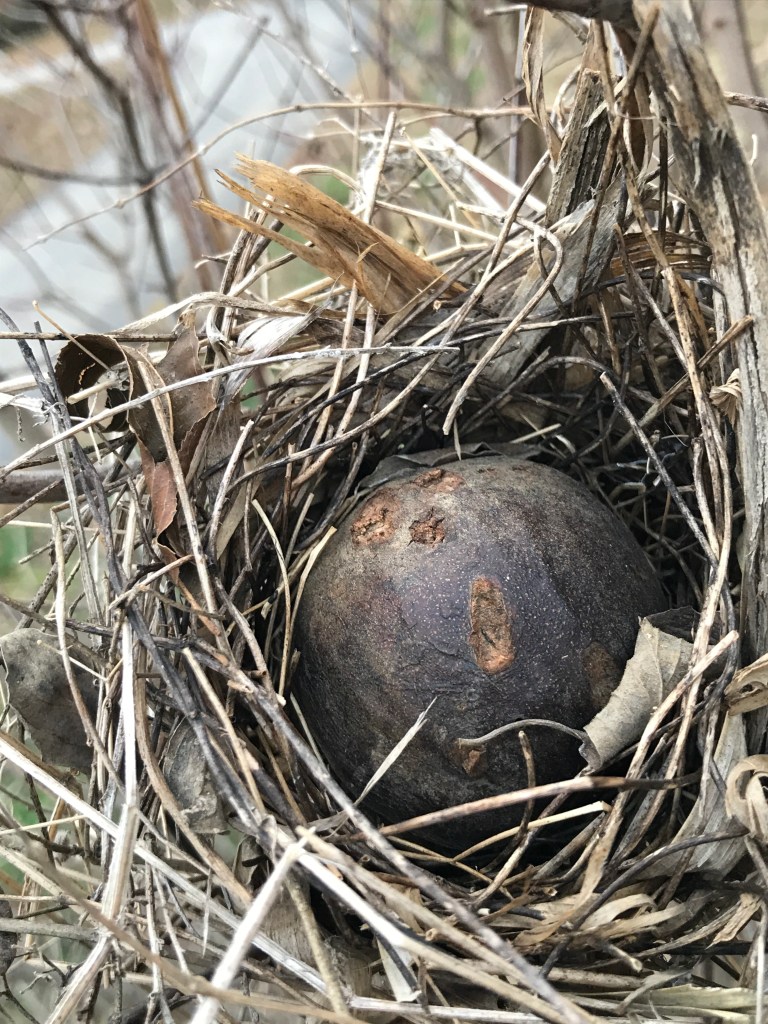
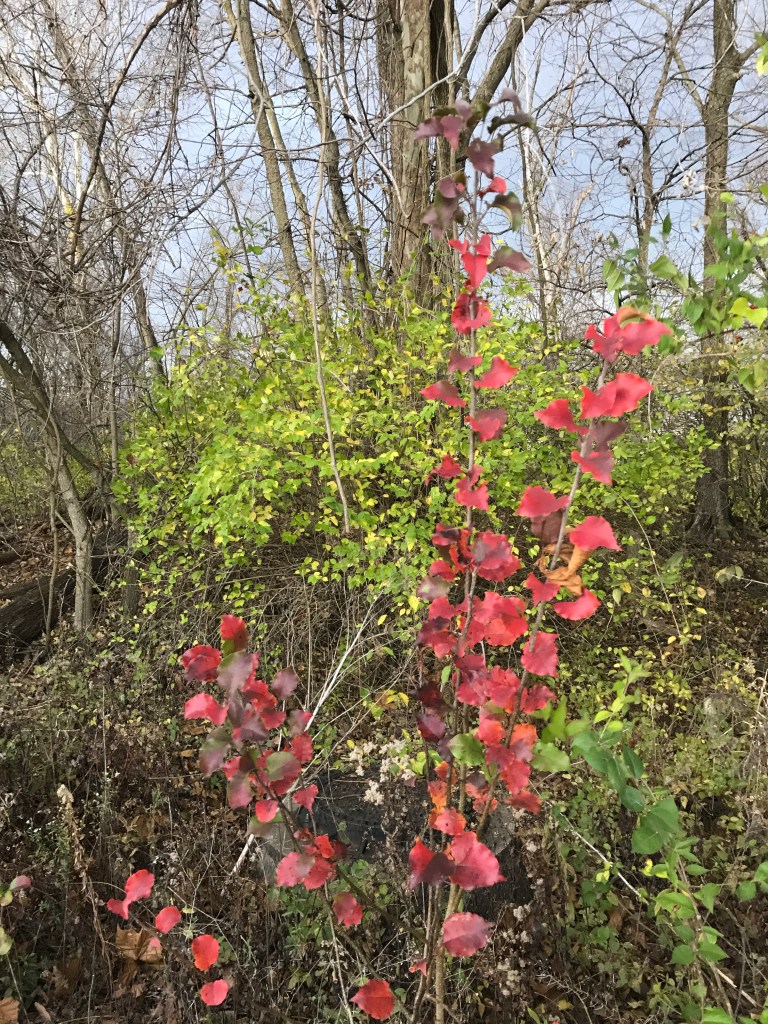
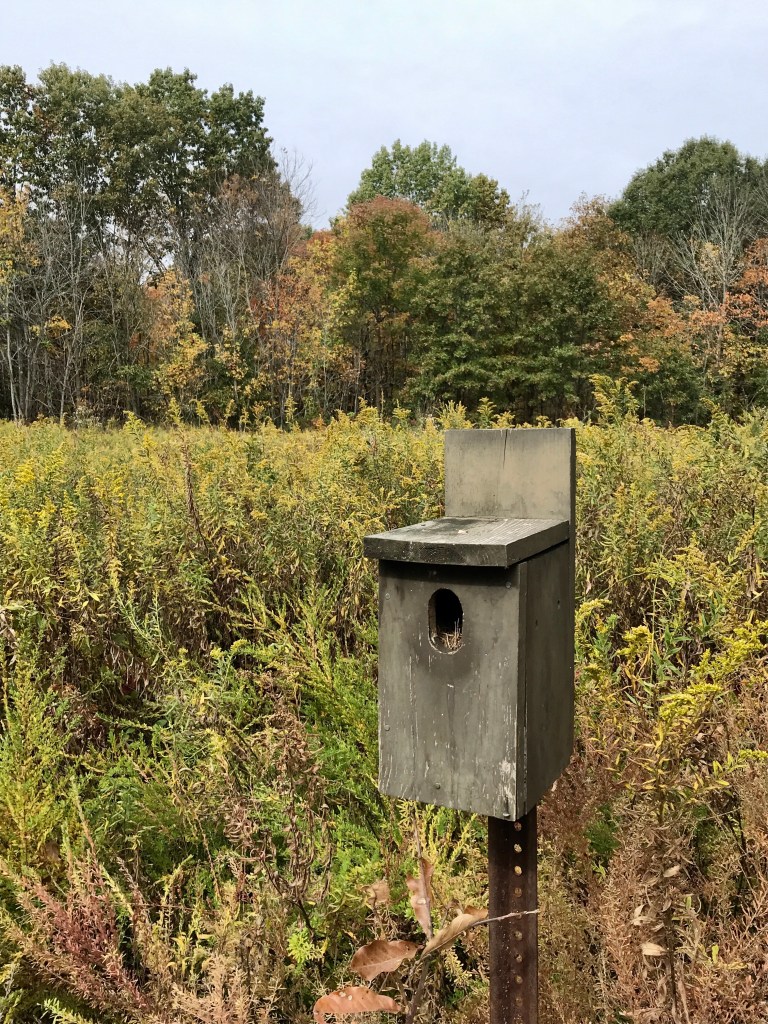
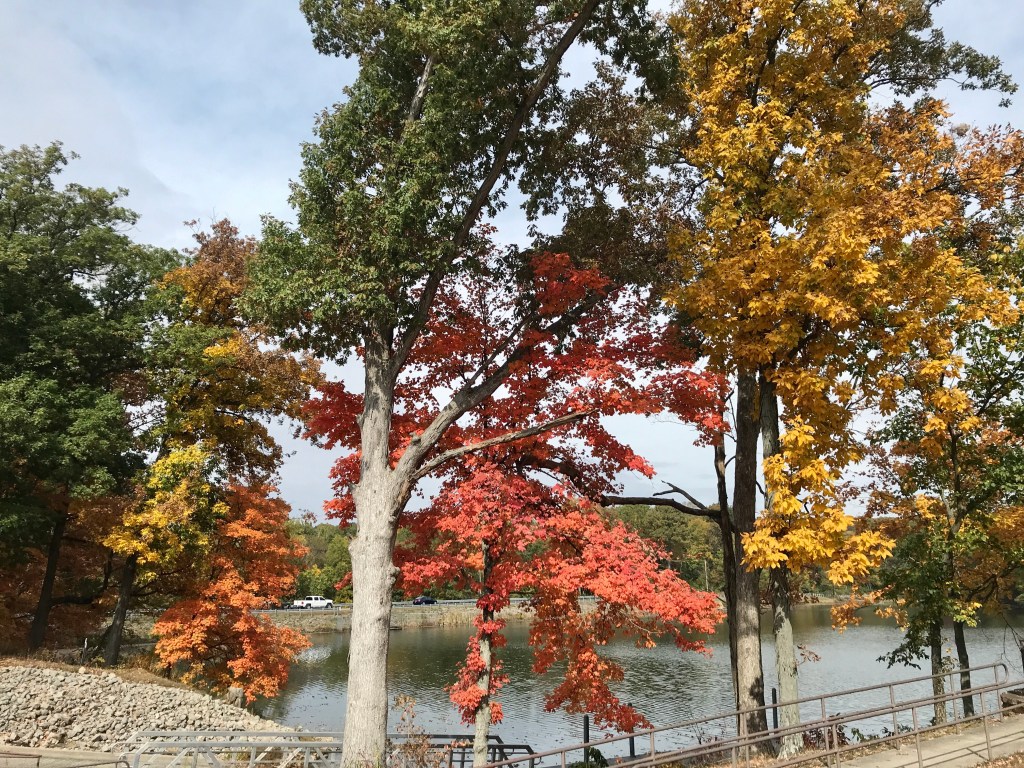
Autumnal beauty Misleading Serenity Alone on the trails Same creek different directionIron determination to continue Unexpected in a bird nest – walnut? The colors of autumn barely hanging on in some places. Barely The wind picked up
The temperature dropped 20 degrees, the wind kicked up 20 mph, and the horizontal rain pelted us.
The leaves swirled like tornadoes Collecting data
Stash knew trouble was afoot, she dragged me back to the car. She was disgusted in me that I resisted too long and she was left to be molested by the swirling leaves.
I will have to regain her confidence. She just hasn’t lived through enough seasons in St Louis.
Since the Covid shut down all my vacations in 2020 I have been heading out on short trips to see parks, small towns, geological formations, and wildlife. On Halloween, I visited some of the most rural areas in the Midwest – central western Illinois. You can’t find any coffee shops, there aren’t any museums, there are barely any people. The land is glaciated and generally flat. There is lots of corn. And of course, colorful trees.
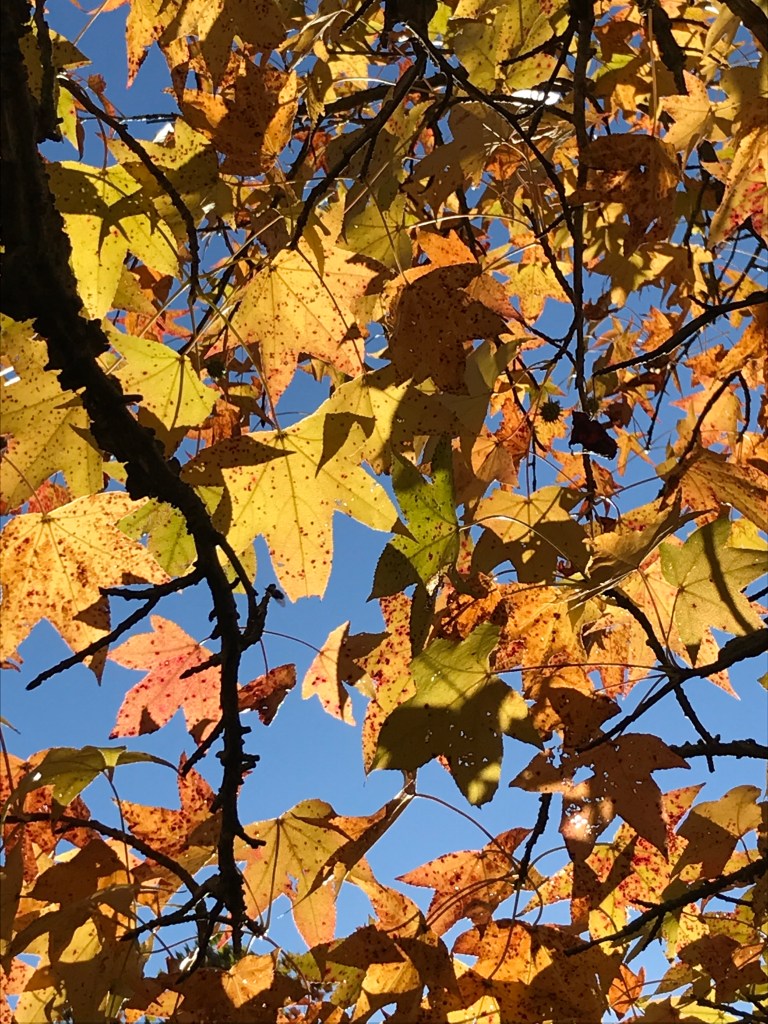
Illinois has an abundance of sweet gums and maples.
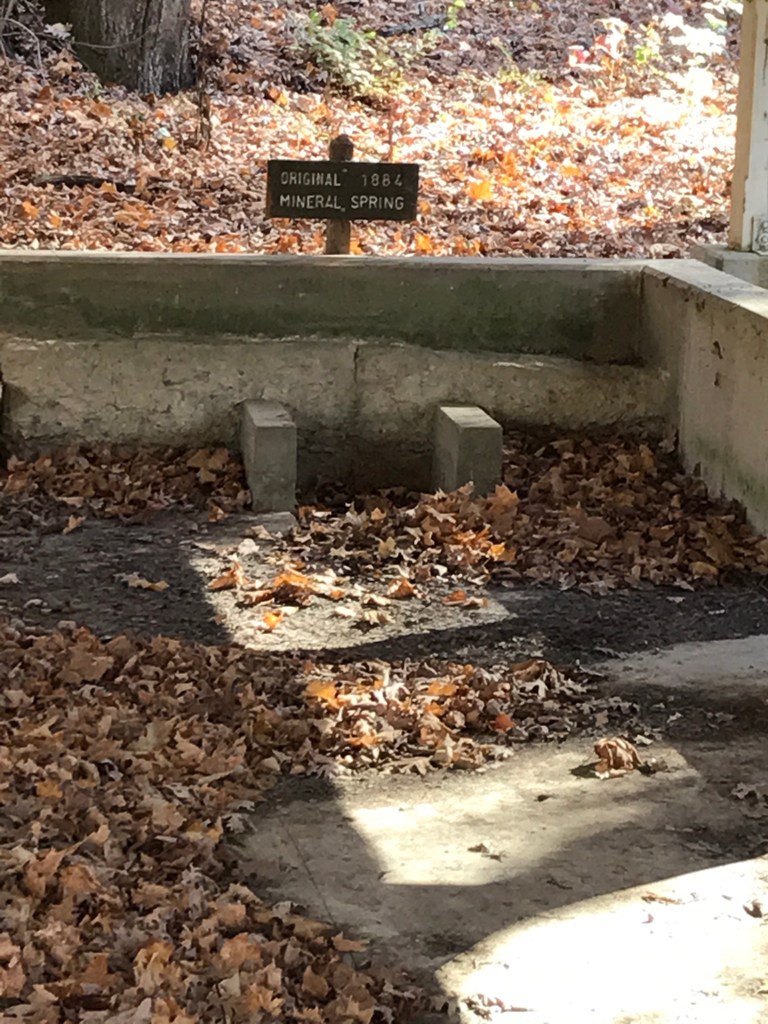
After the Mexican war and Blackhawk war soldiers were given land in Illinois. One gentleman, George Meyer, was given a beautiful piece of property in western Illinois near the Illinois River. This land had a spring and a small town grew up around it. The man lived to be 104 years old, so everyone believed the water was healing. After George passed on, a real estate man got his hands on it and sold the water for decades. Later this area became Siloam Springs State Park. This history is hidden among the picnic pavilions and hiking trails.
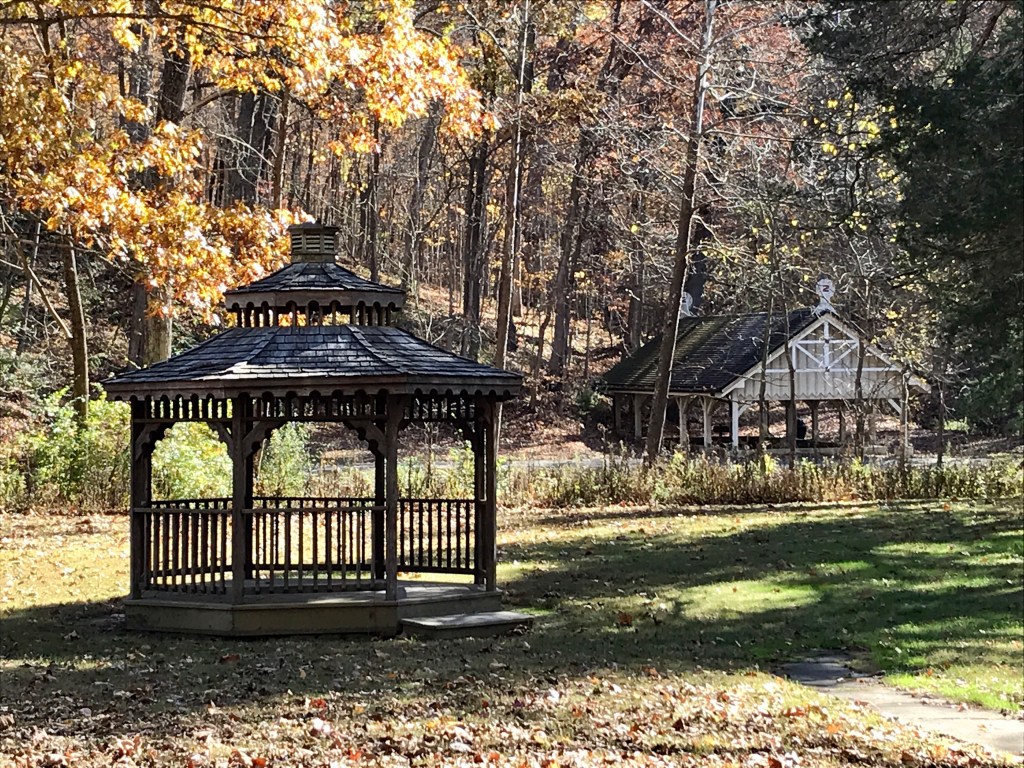
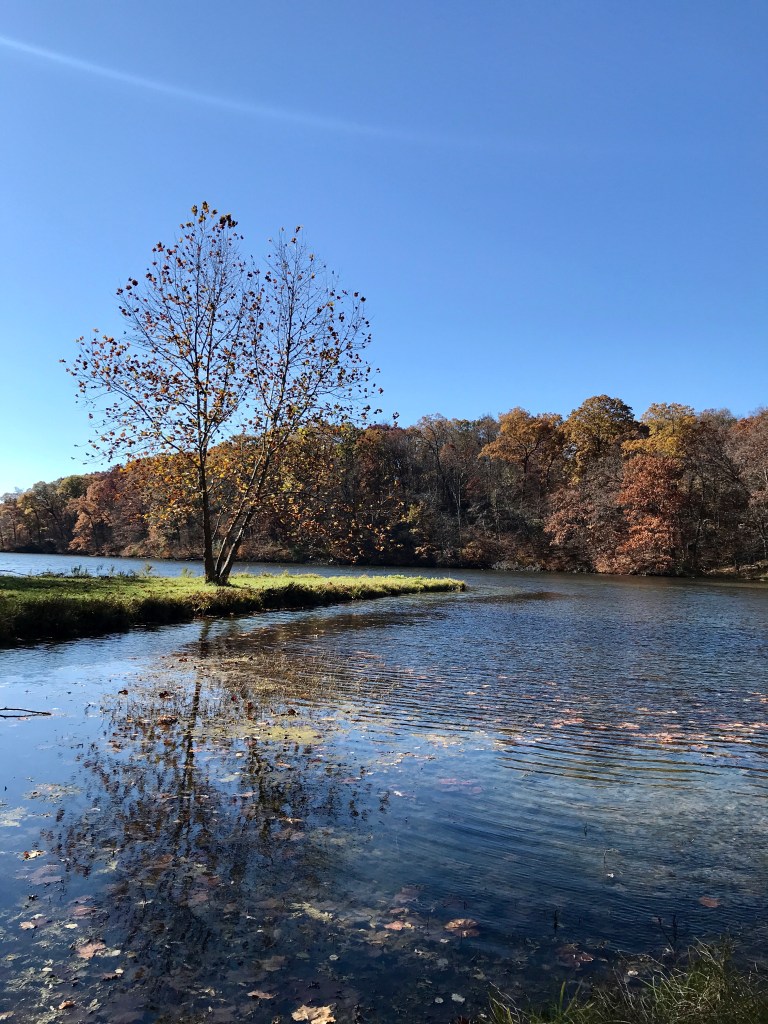
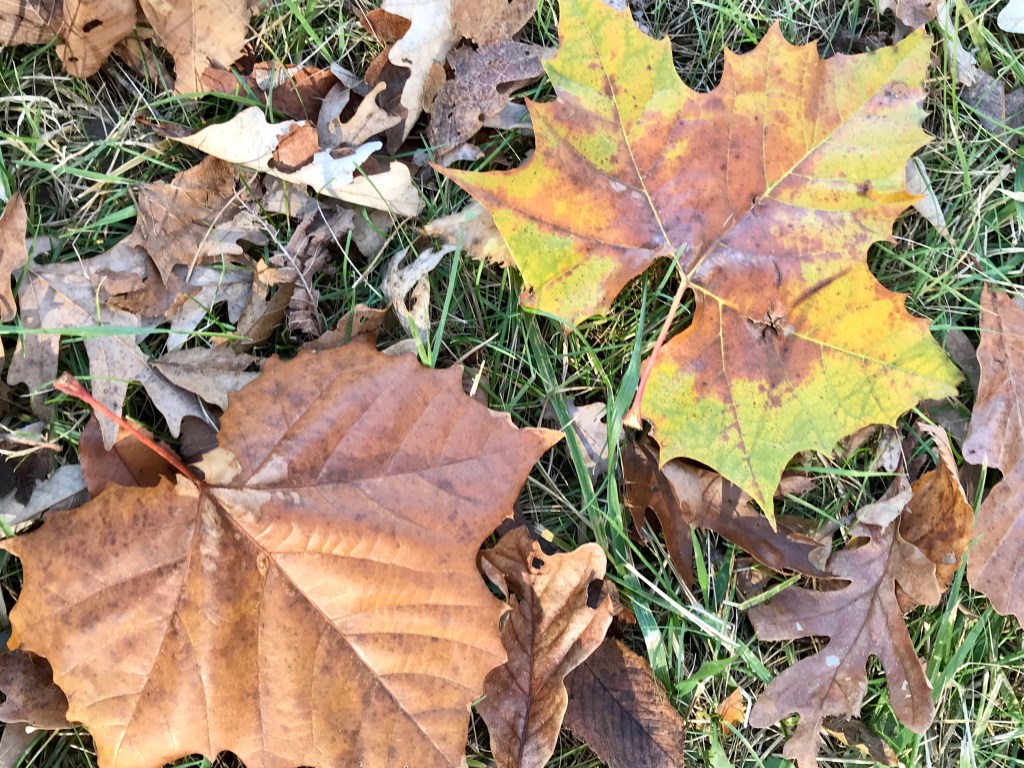
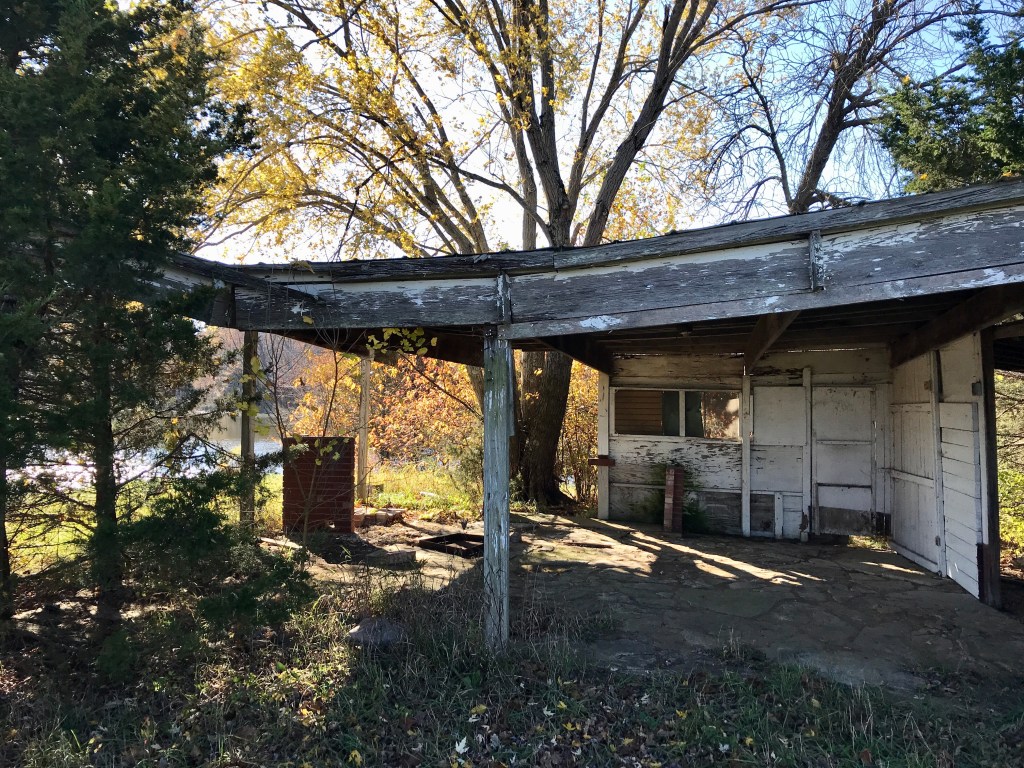
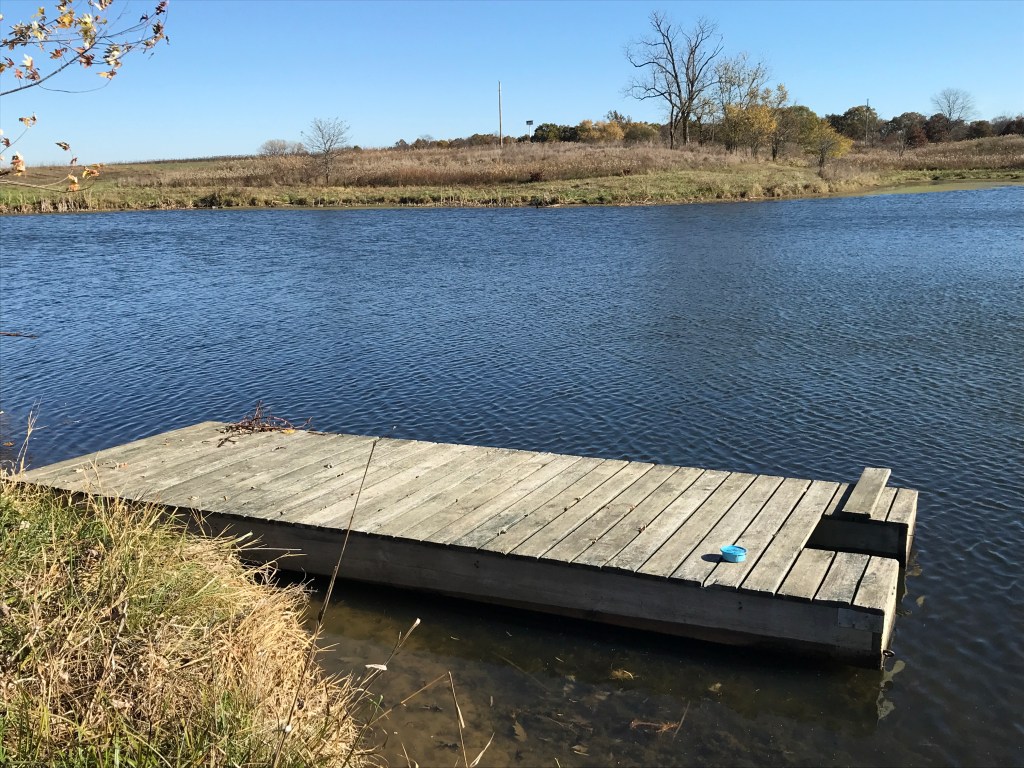
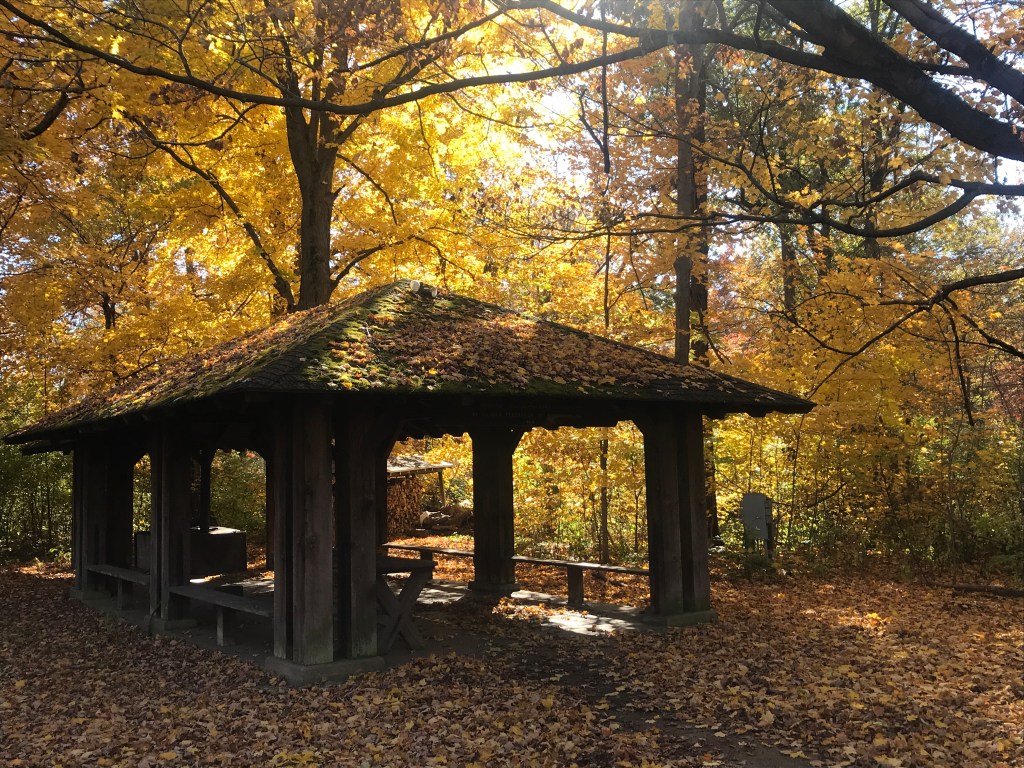
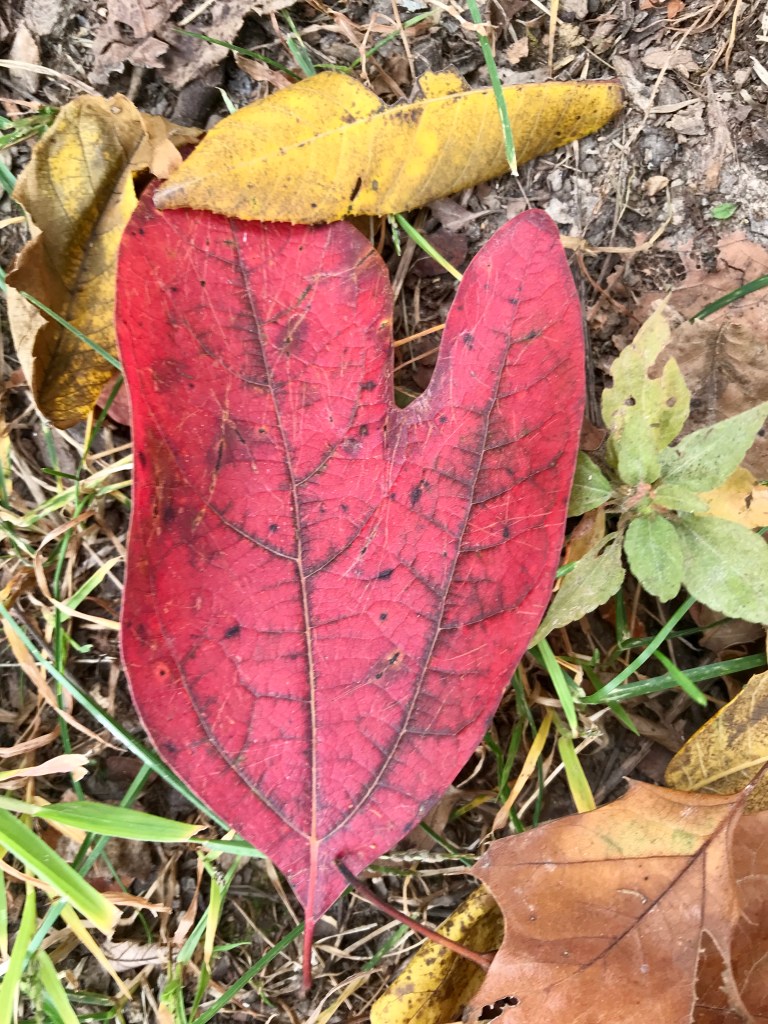
In the valley today. The spring is still there. The huckster who sold the water built this pavilion and a lodge. The park has also added a reservoir lake the sycamores are beautiful. The sycamore leaves fill me with awe – they are large and the patterns are cool A sunny day on Halloween is a treat indeed. We found a forgotten pavilion filled with mystery We saw no people. It’s like Western Illinois is abandoned. A ruin from an society long forgotten. Serenity or spookiness?
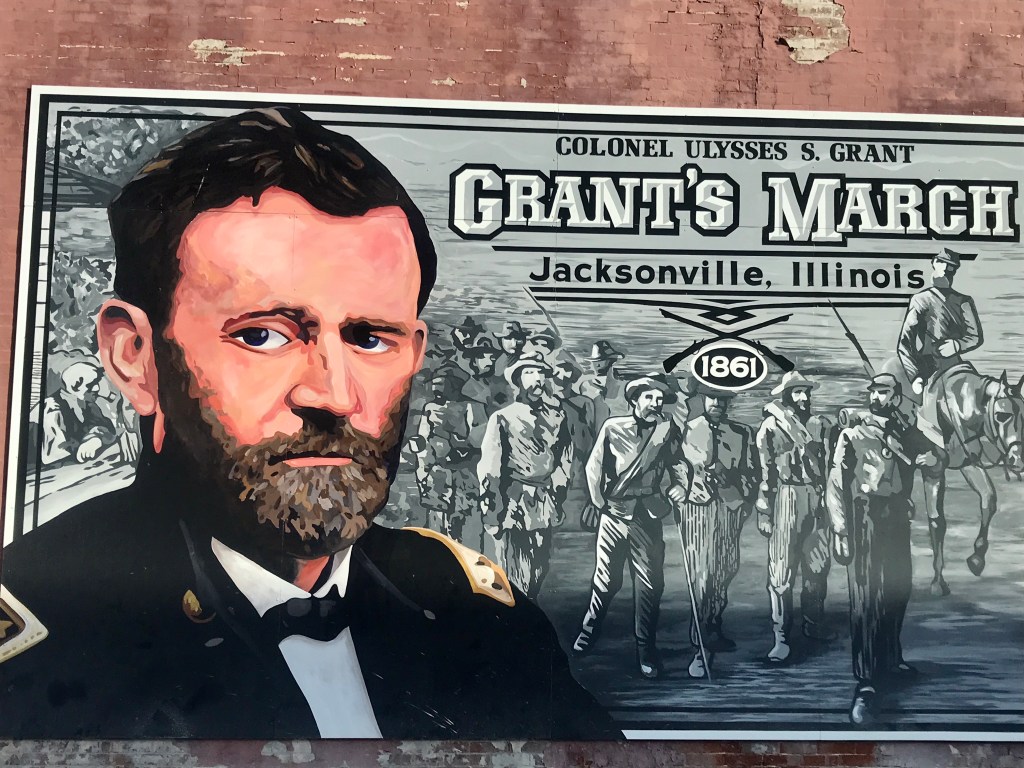
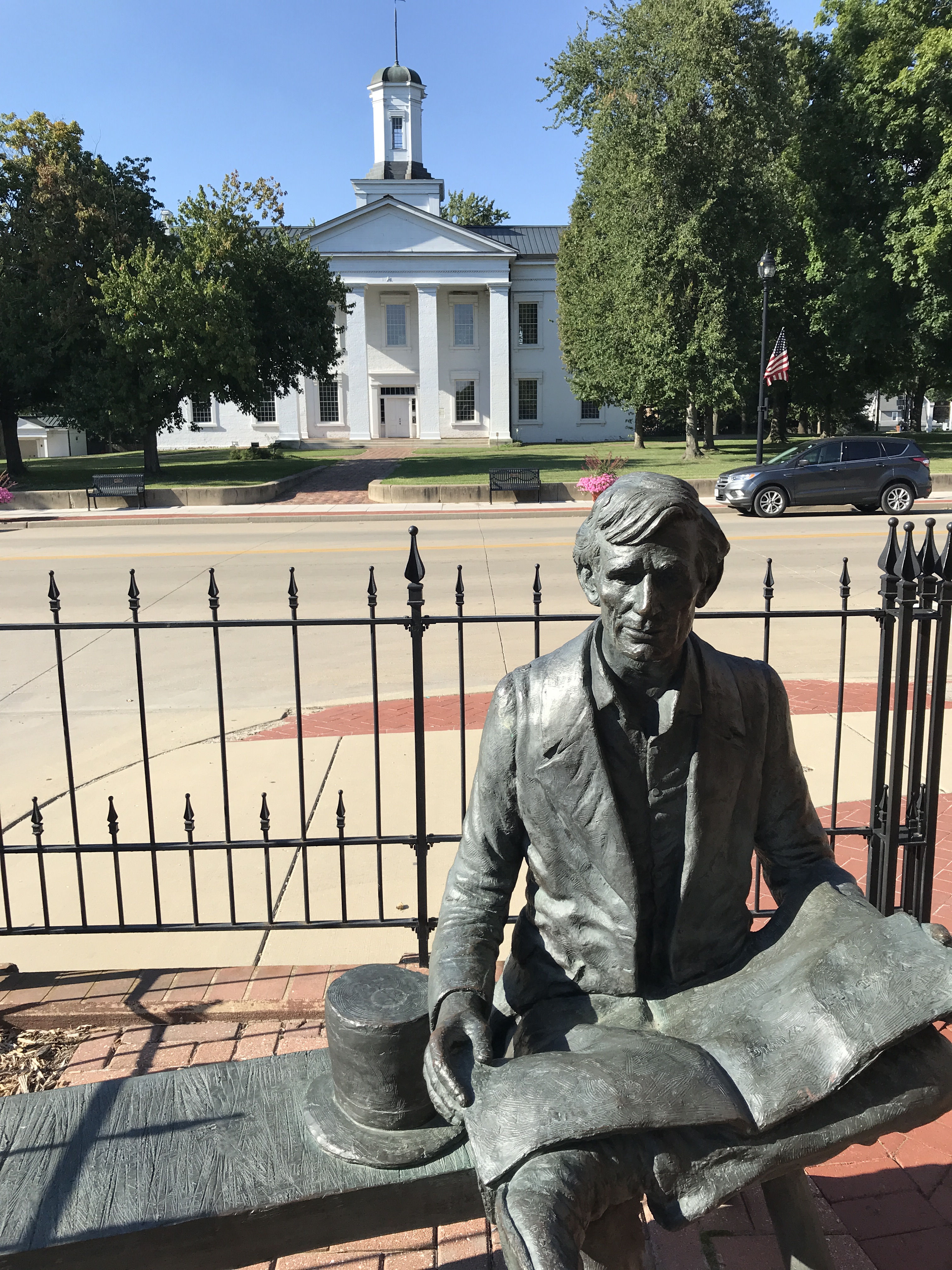
We left Siloam Springs for the biggest town in the region – Jacksonville: the county seat of Morgan county. When we arrived, it too was a ghost town.
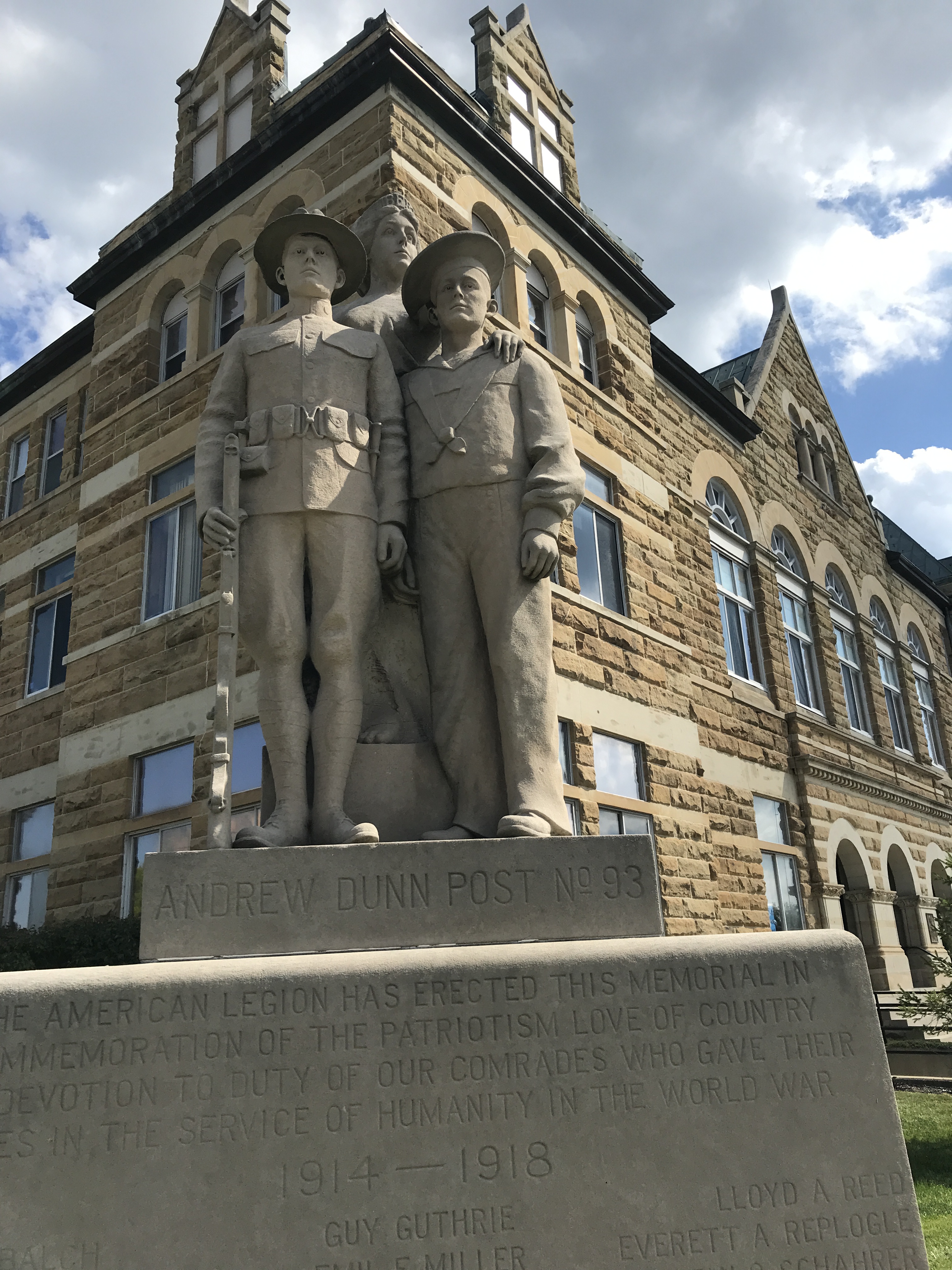
Live Downtown with the ghosts of the…Trail of Death March of Death
Or…
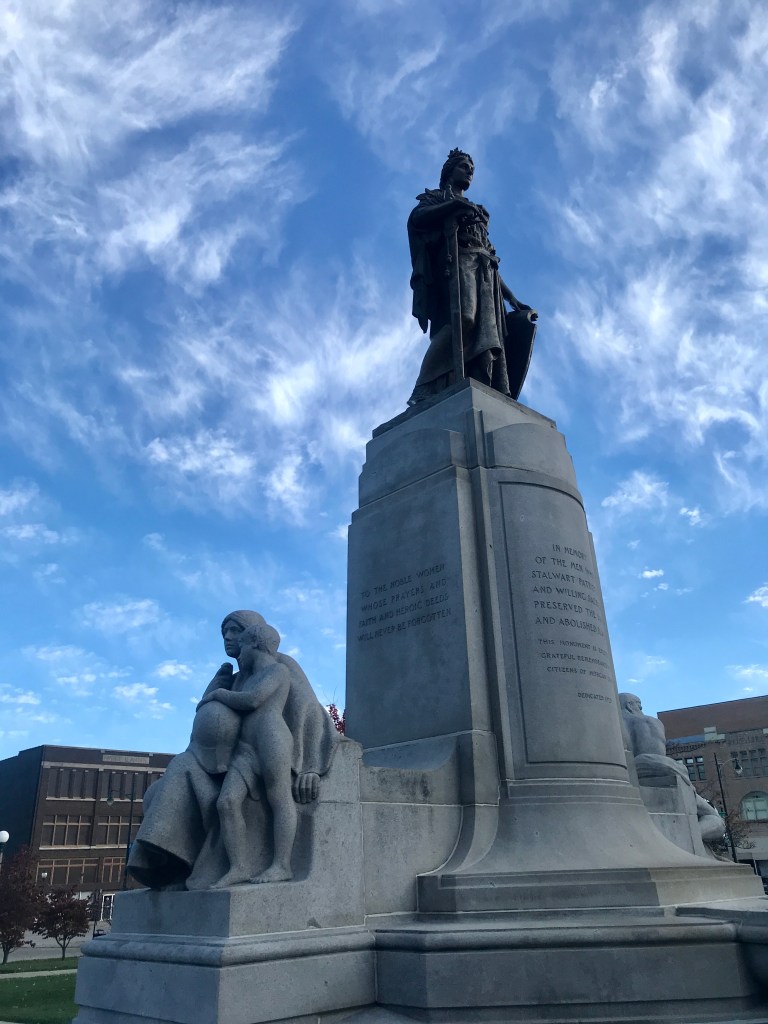
Memorial to the Abolition of SlaveryClosed today…
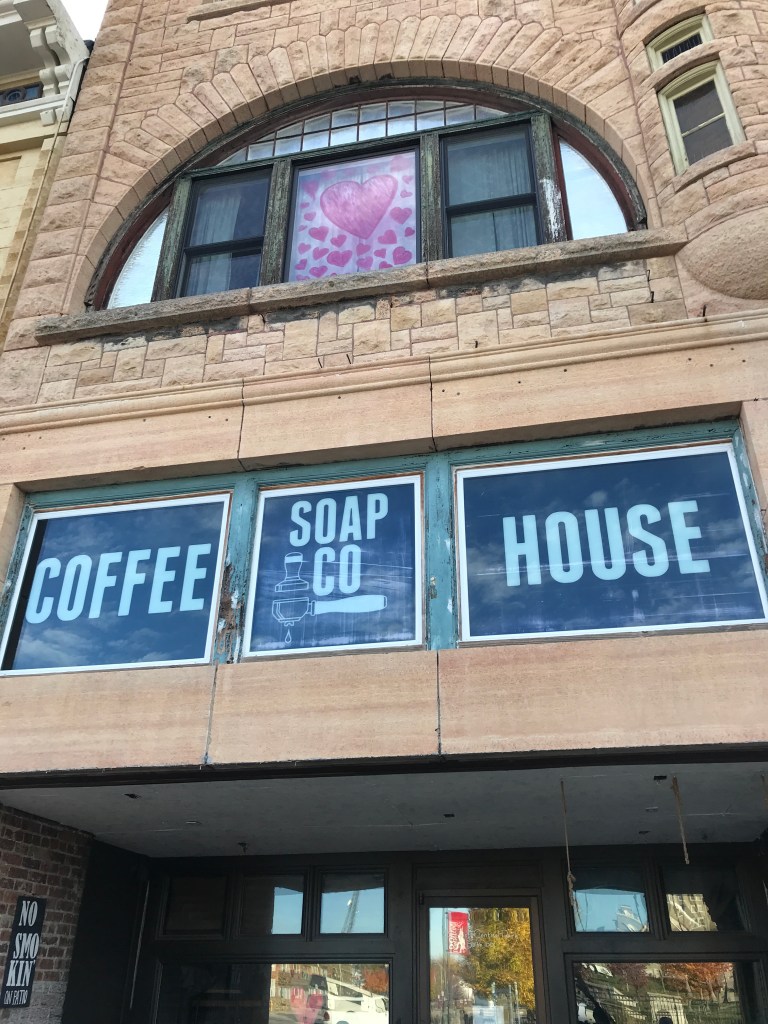
I don’t know if the coffee shop was really closed today or everyday. I don’t know how it could survive with no people. I walked into the bakery to see if I could find a doughnut. The door was open but nobody was inside. I could see cakes and cupcakes – but no doughnuts. And no people.
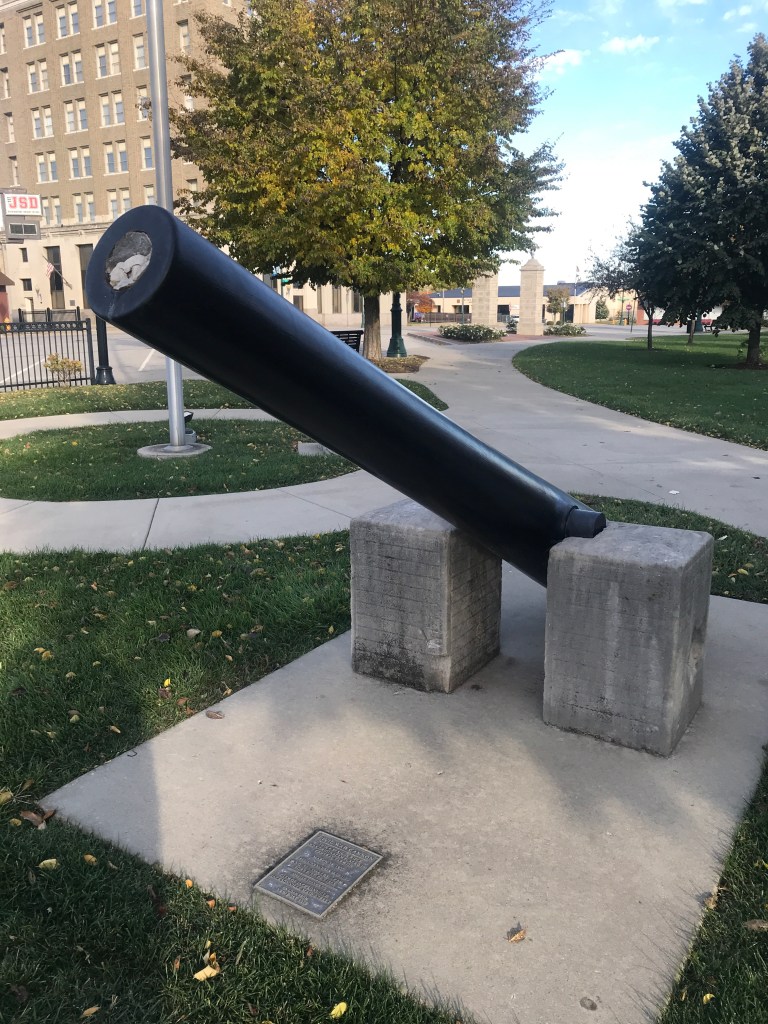
The missing people of Jacksonville – at least had a cannon.
We wandered to another remote state park – Beaver Dam State Park. We heard there was people there.
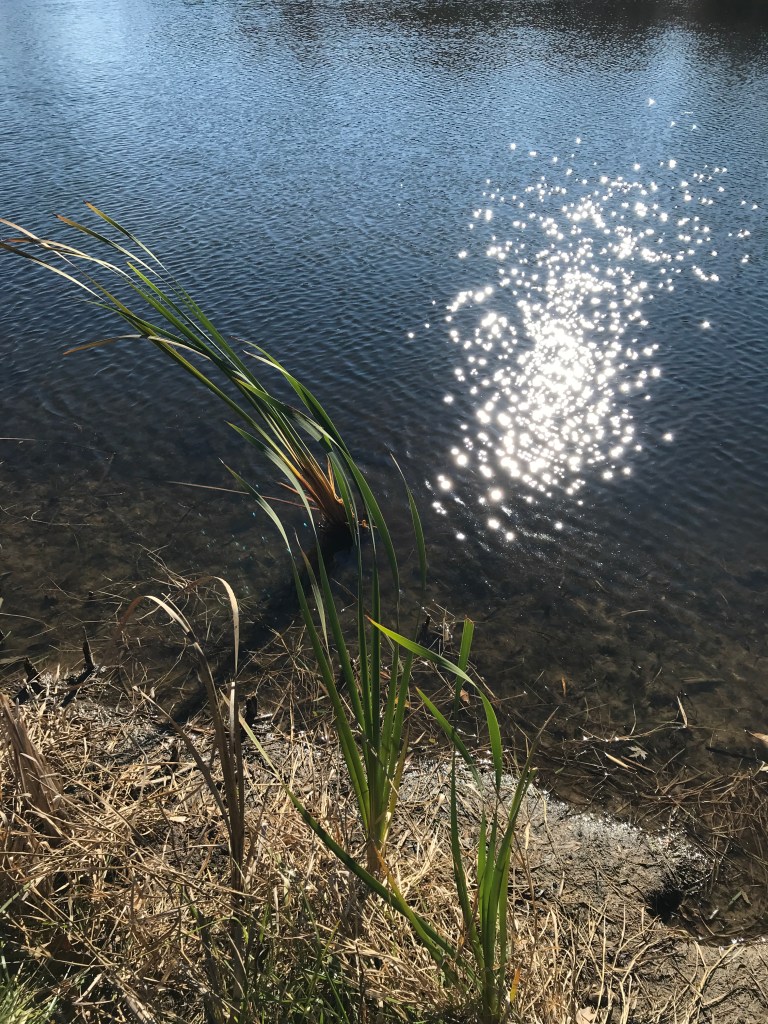
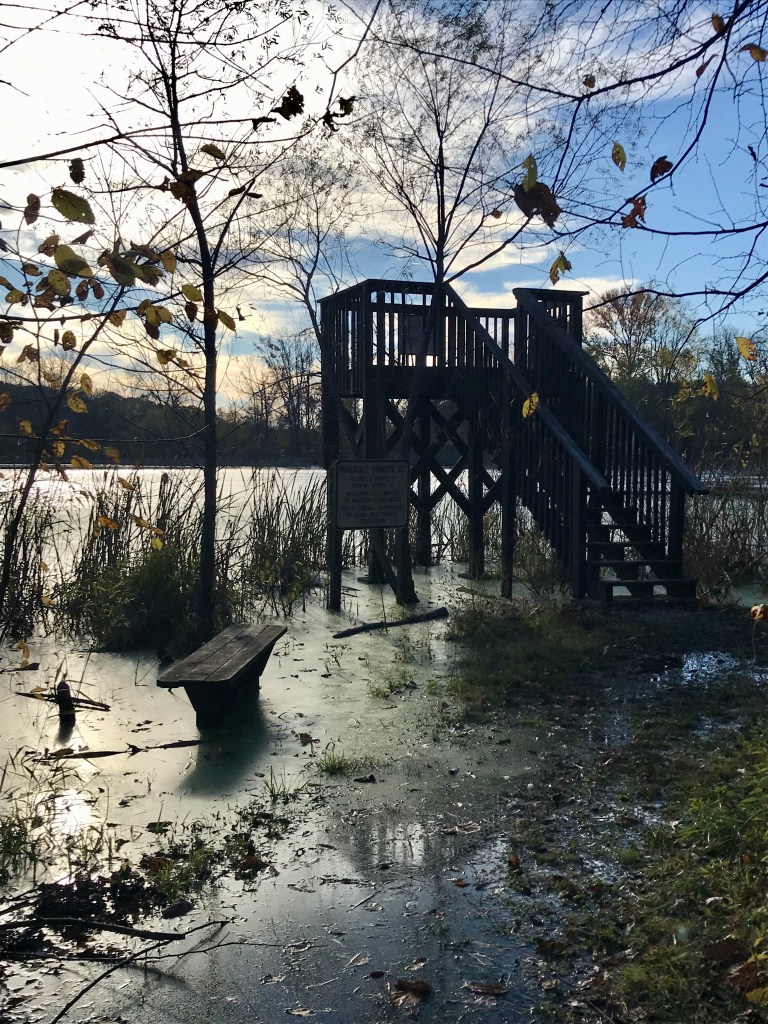
But there were none. Not even ducks. Or Beavers. The observation deck was inaccessible and frankly looked like a good place for zombies. The concessionaires were gone but supplies were available. The people of western Illinois were simply gone
We drove across Illinois on one of the United State’s oldest highways – US 50. Enjoy a snapshot of fall in the Midwest.
Black gum leaf imitating a sassafras or vice versa? Realism collided with Impressionism MetamorphismThe Shagbark Hickory Forbes State Park shows offThe Lincoln Bridge to Vincennes over the Wabash Sweetgums all in a row at Beall Woods State Park Wanderings Food glorious food! Looking at Illinois from Indiana A geologic anomaly and first land ceded to the US by the native inhabitants of Illinois. Red Hills State Park.
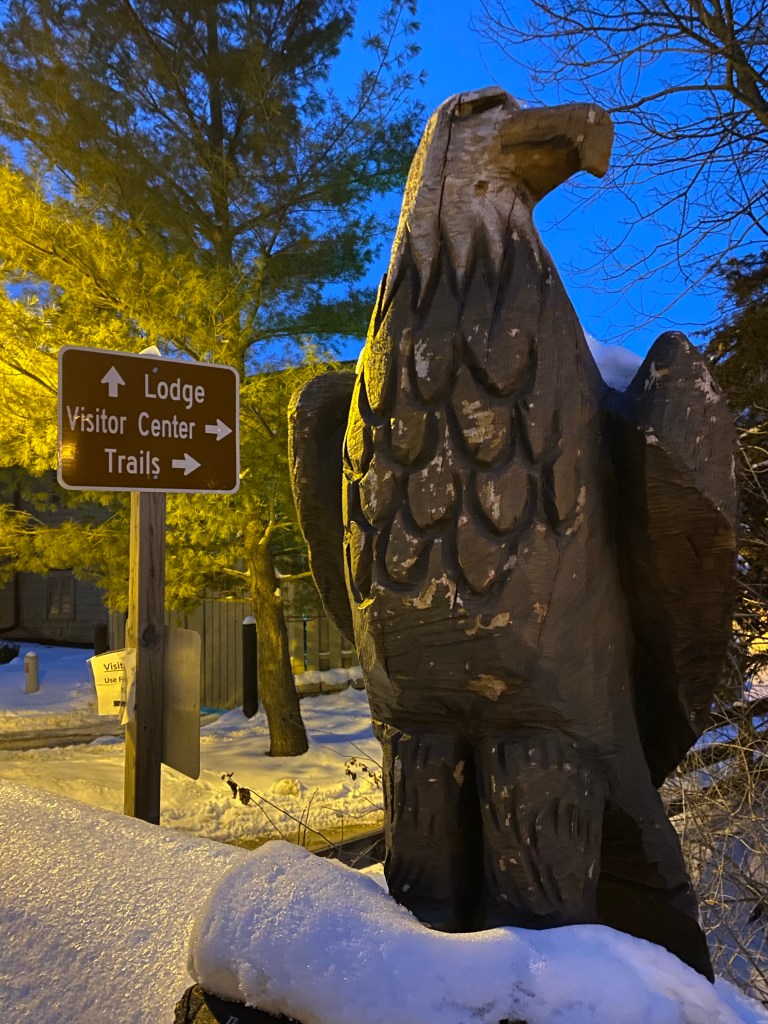
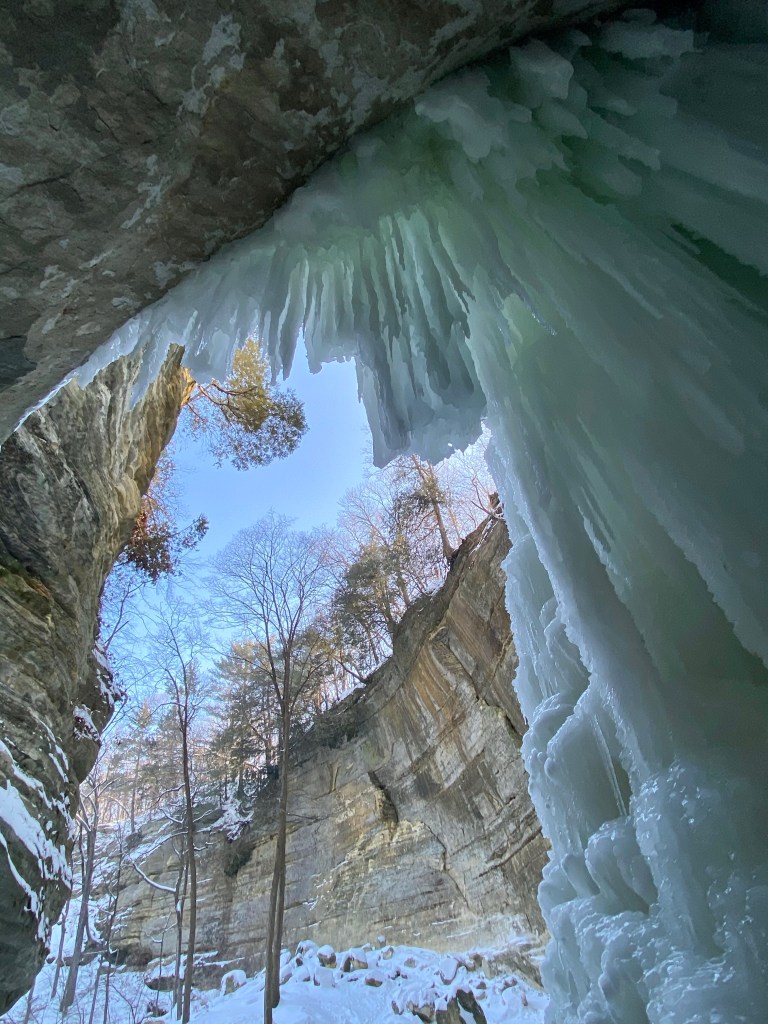
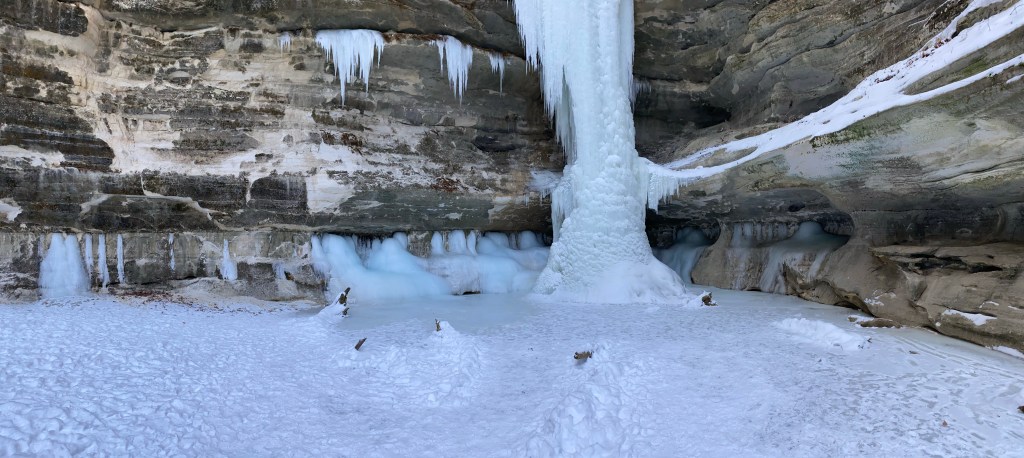
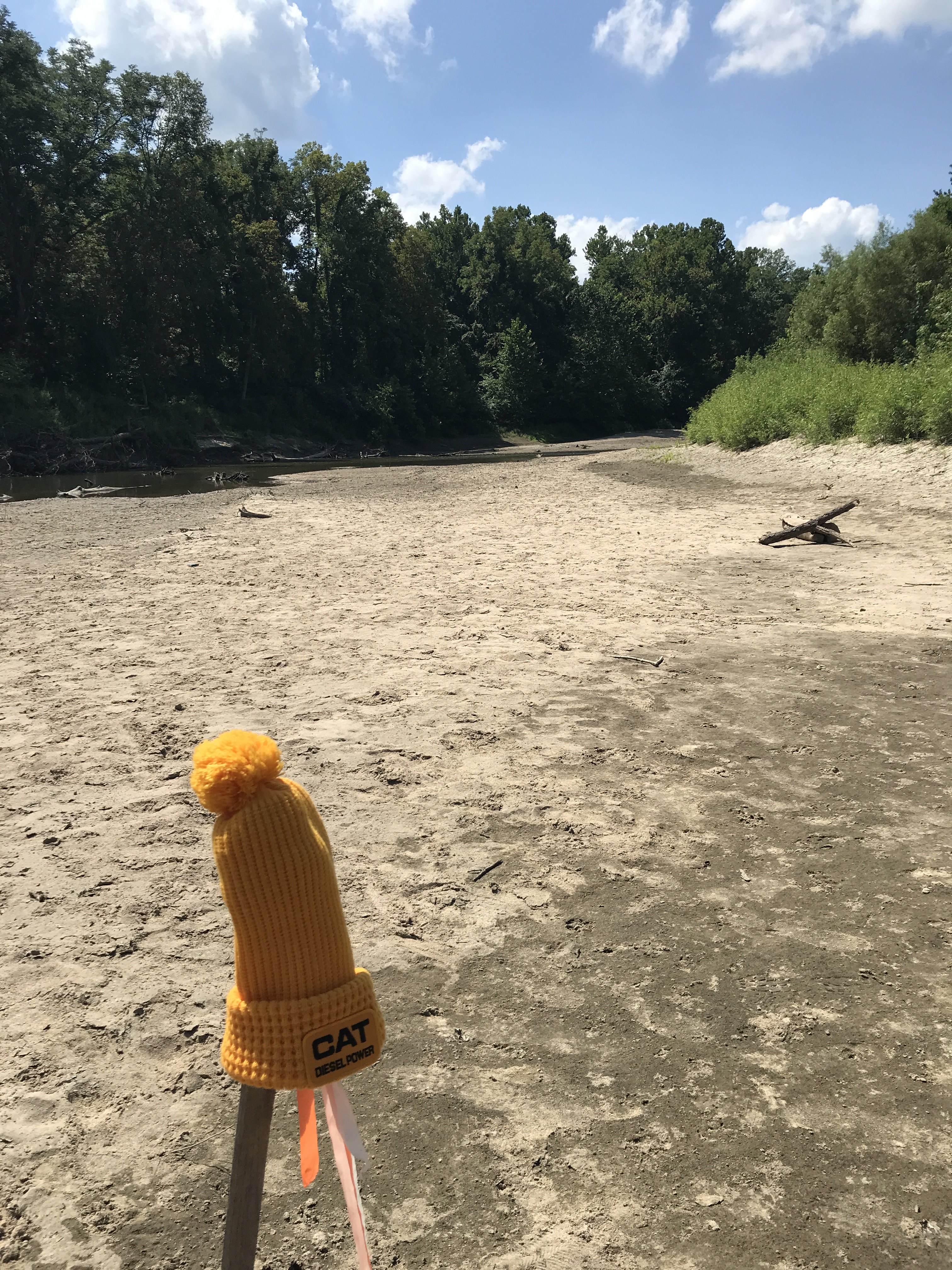
In 2017, Grandpa took off with me to visit all the state parks in Illinois. We left on our first trip two days after Christmas in the winter of that year. The temperature was -2 F. When we reached Starved Rock State Park, he pulled out his CAT orange stocking hat and immediately transformed into Gnomepa. We only made it on two trips. In the fall of 2018, Gnomepa succumbed to illness. His last words to me: “I wish we were at the Ice.”
The mission continues…
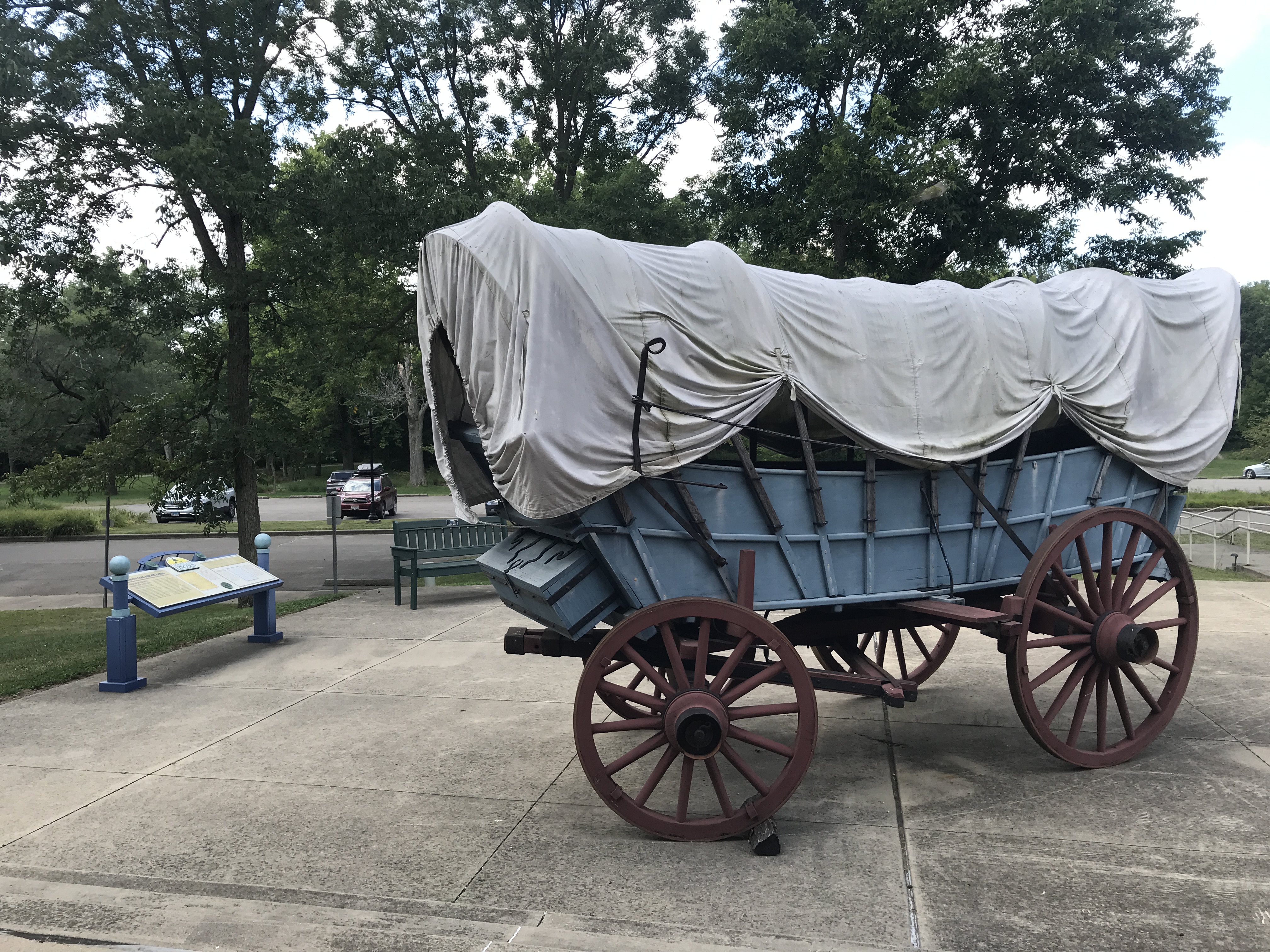
August 2020, during this journey my cousin and I visit parks #21-24 out of 72. Fox Ridge, Eagle Creek, Wolf Creek, and Ramsey Lake State Park. Plus we added on State Historic Sites: Lincoln Cabin, Monroe House, and Vandalia First State Capitol.
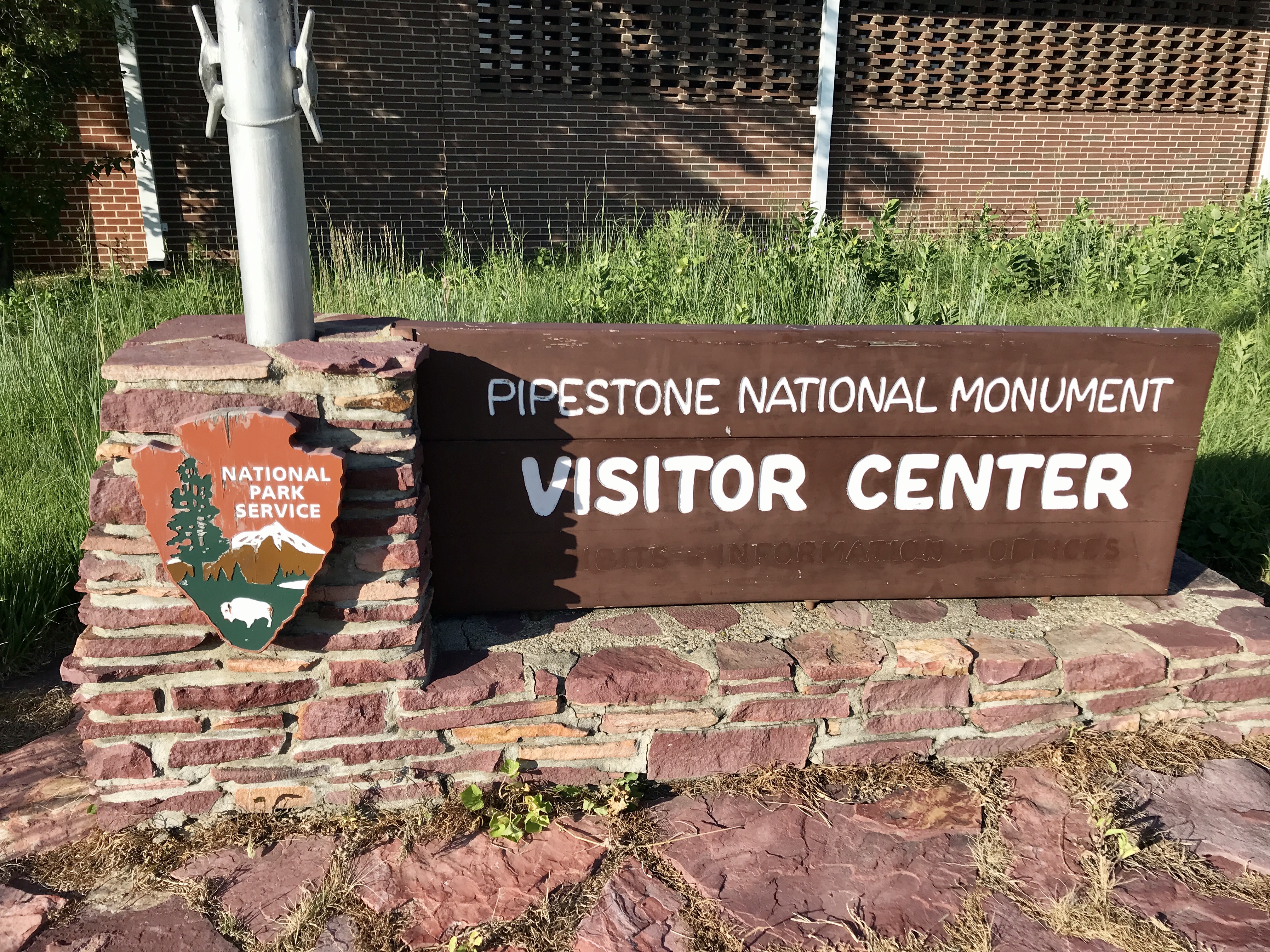
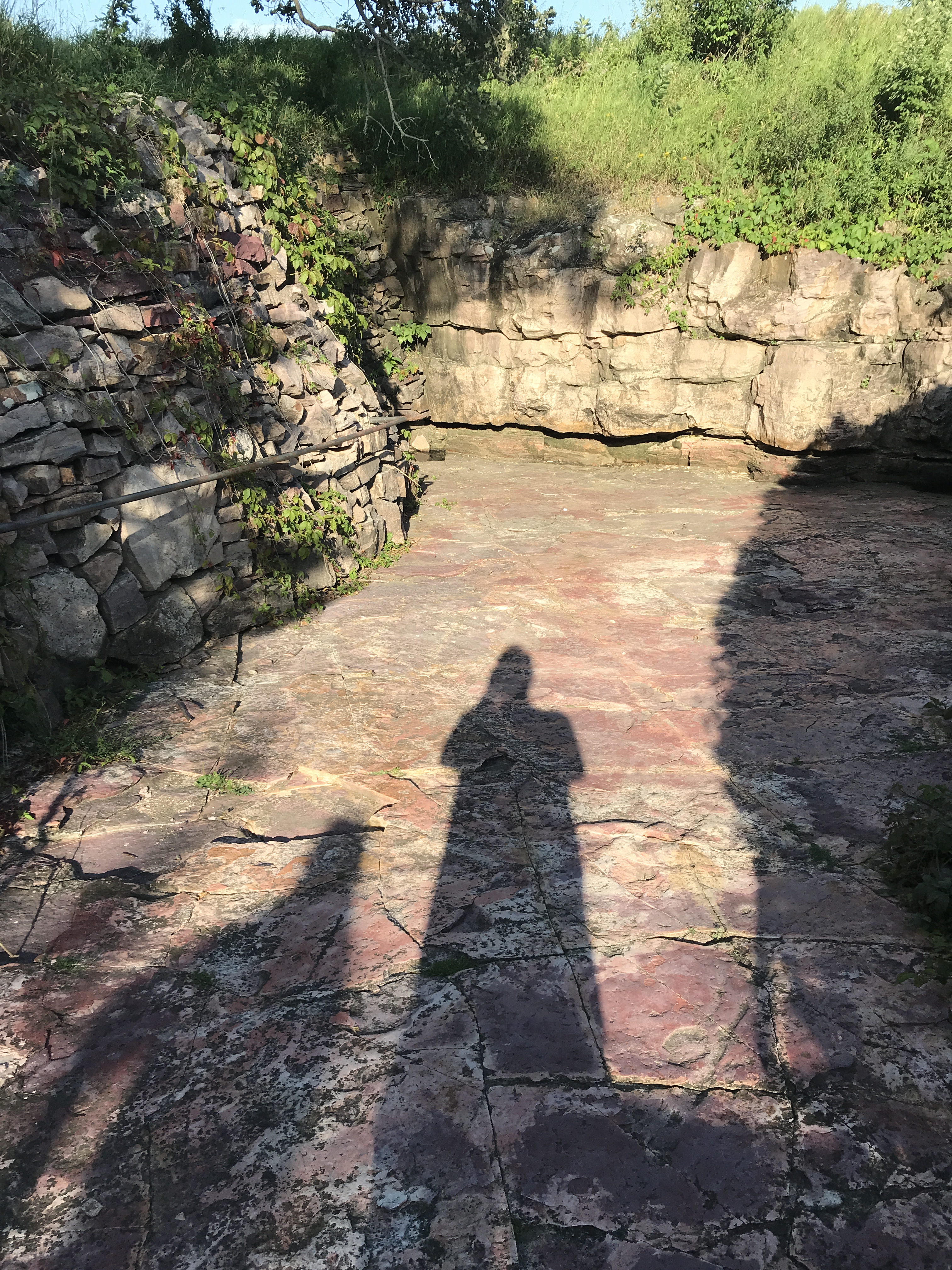
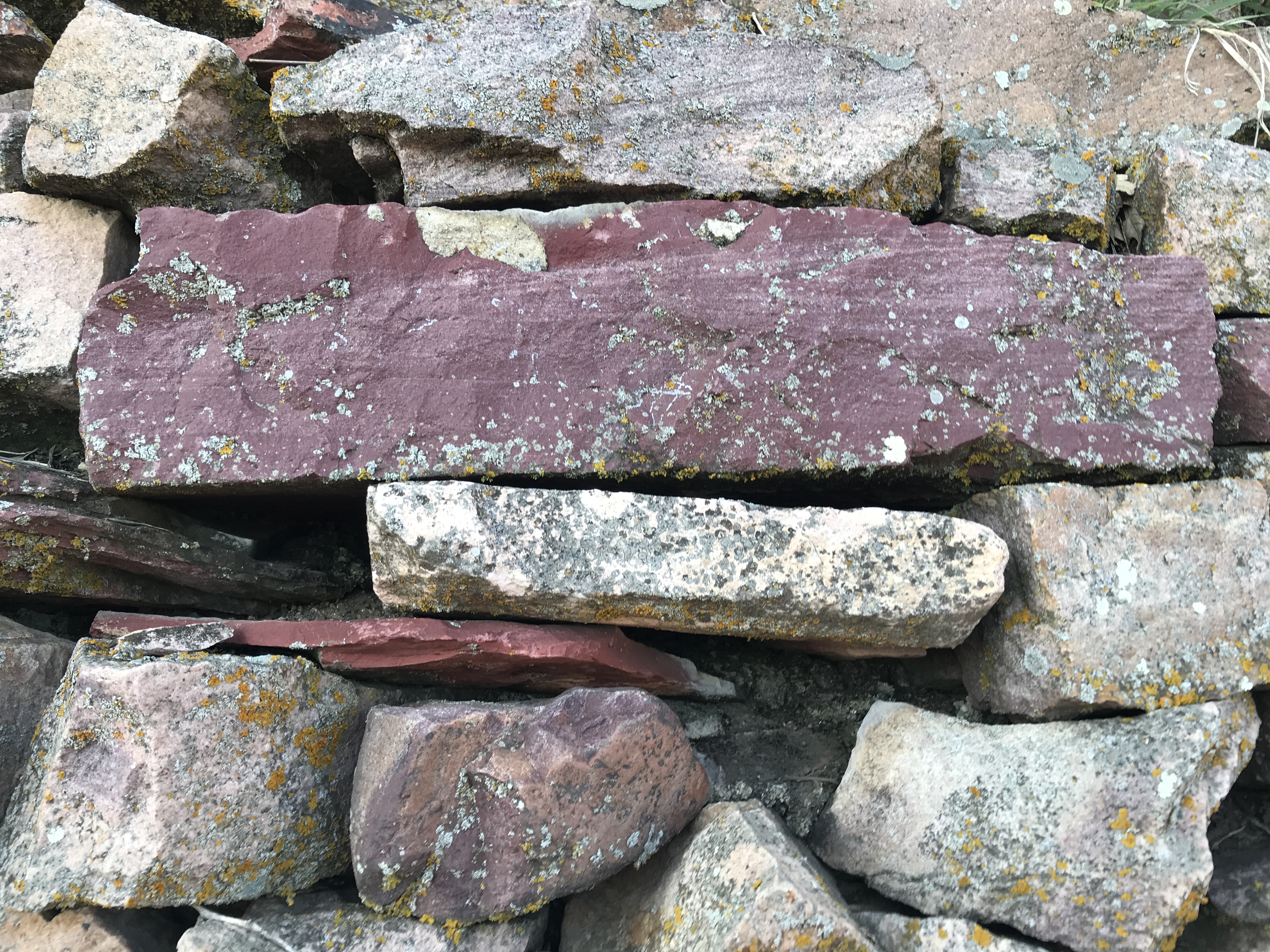
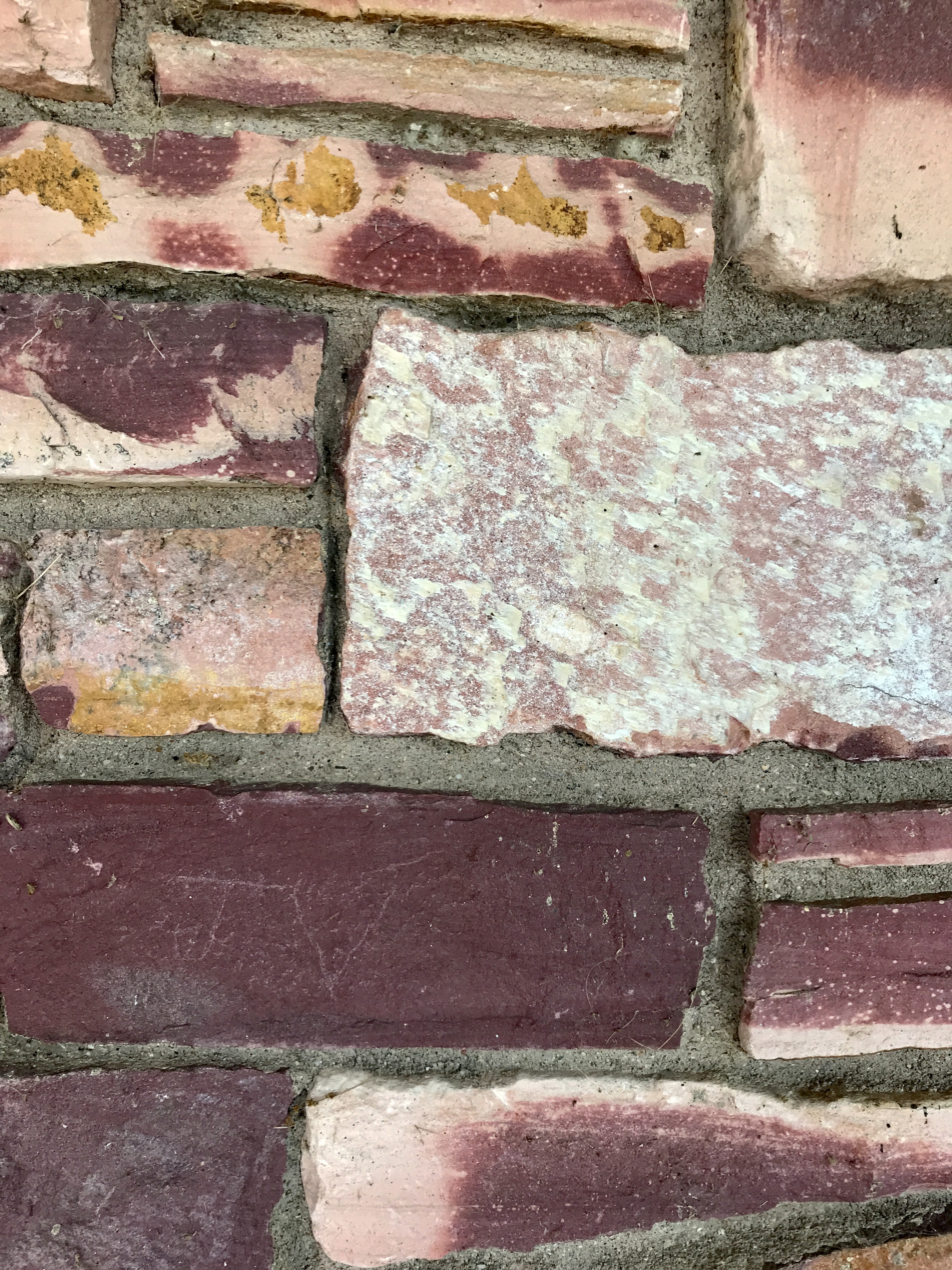
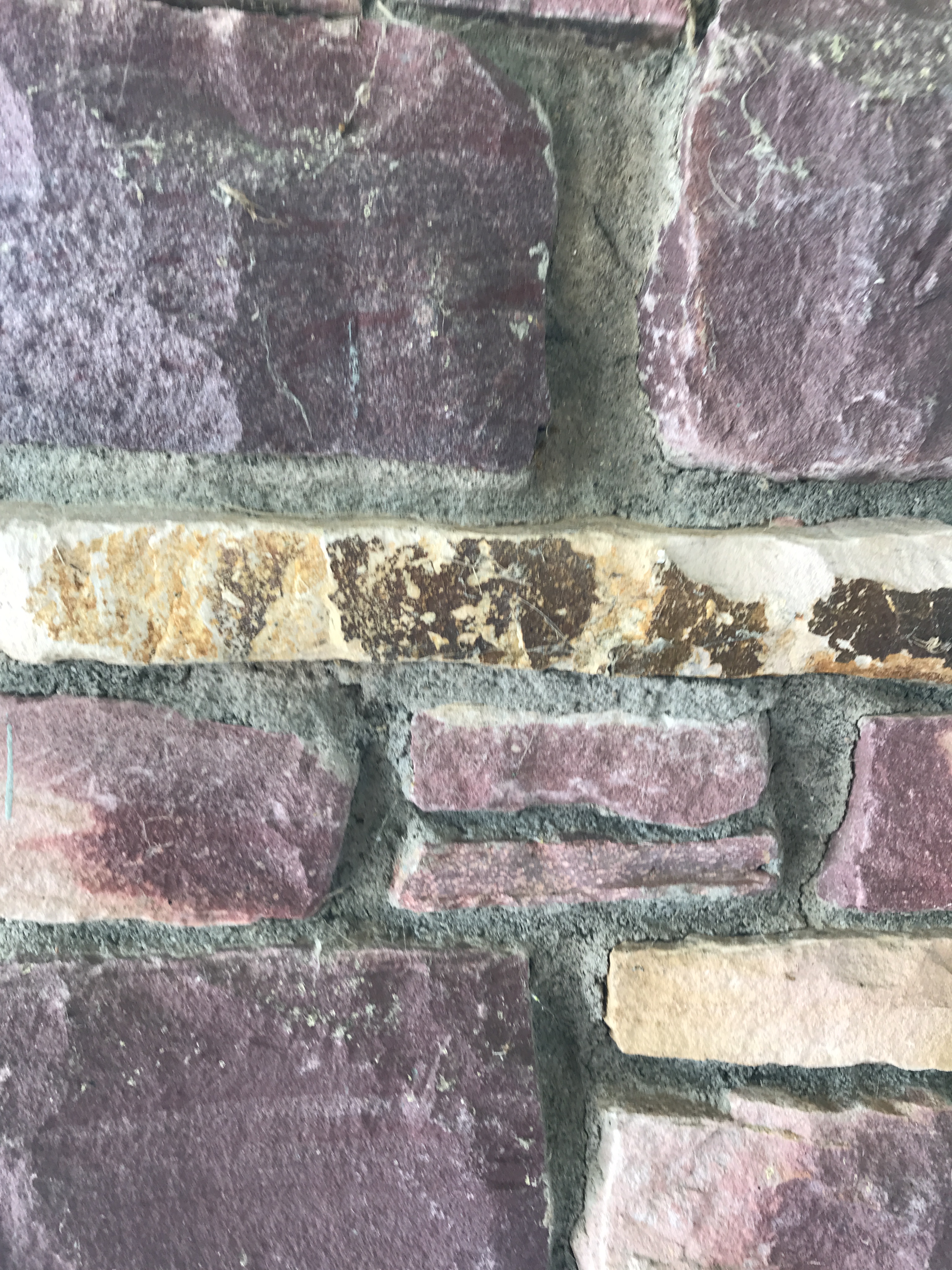
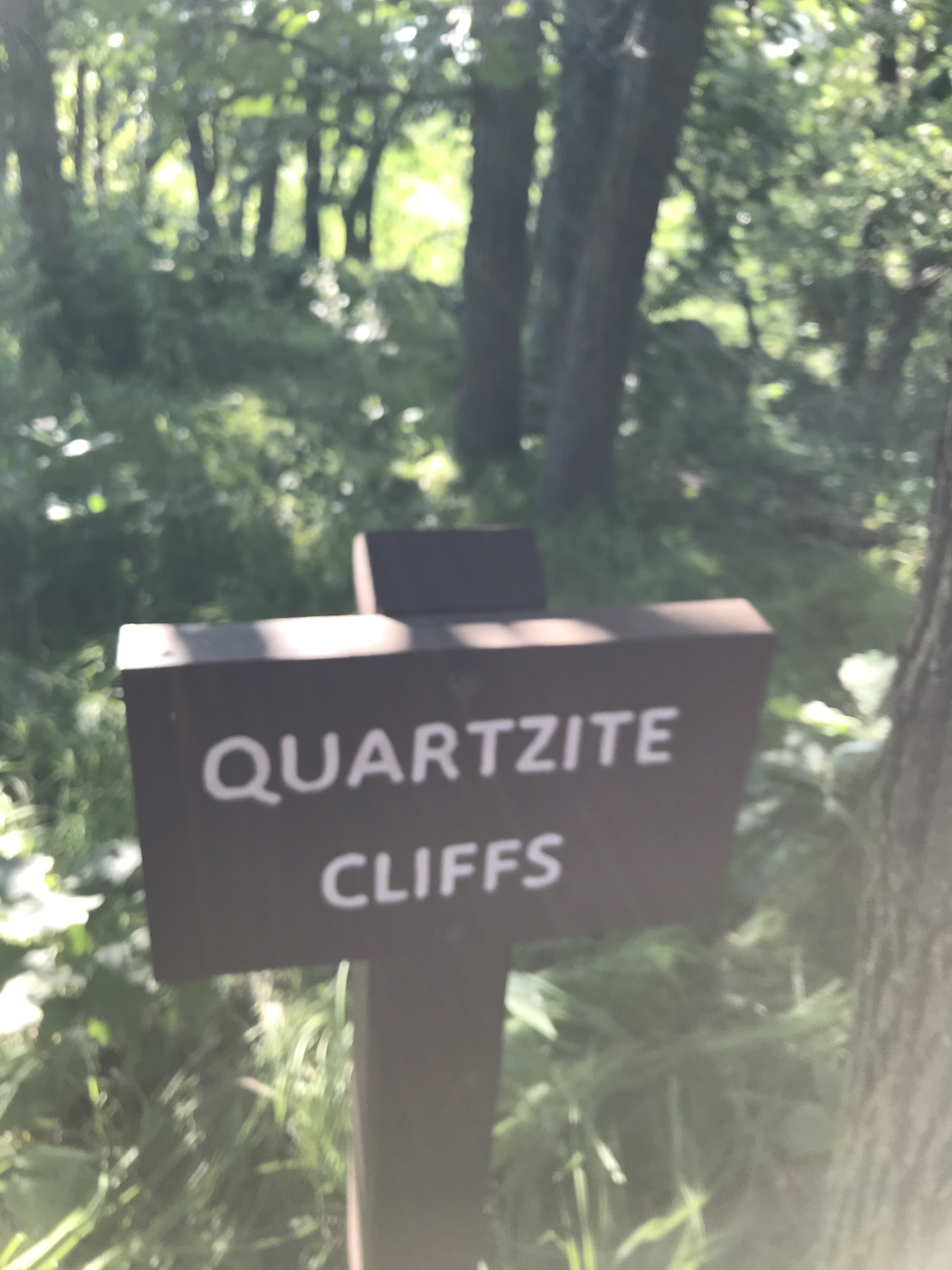
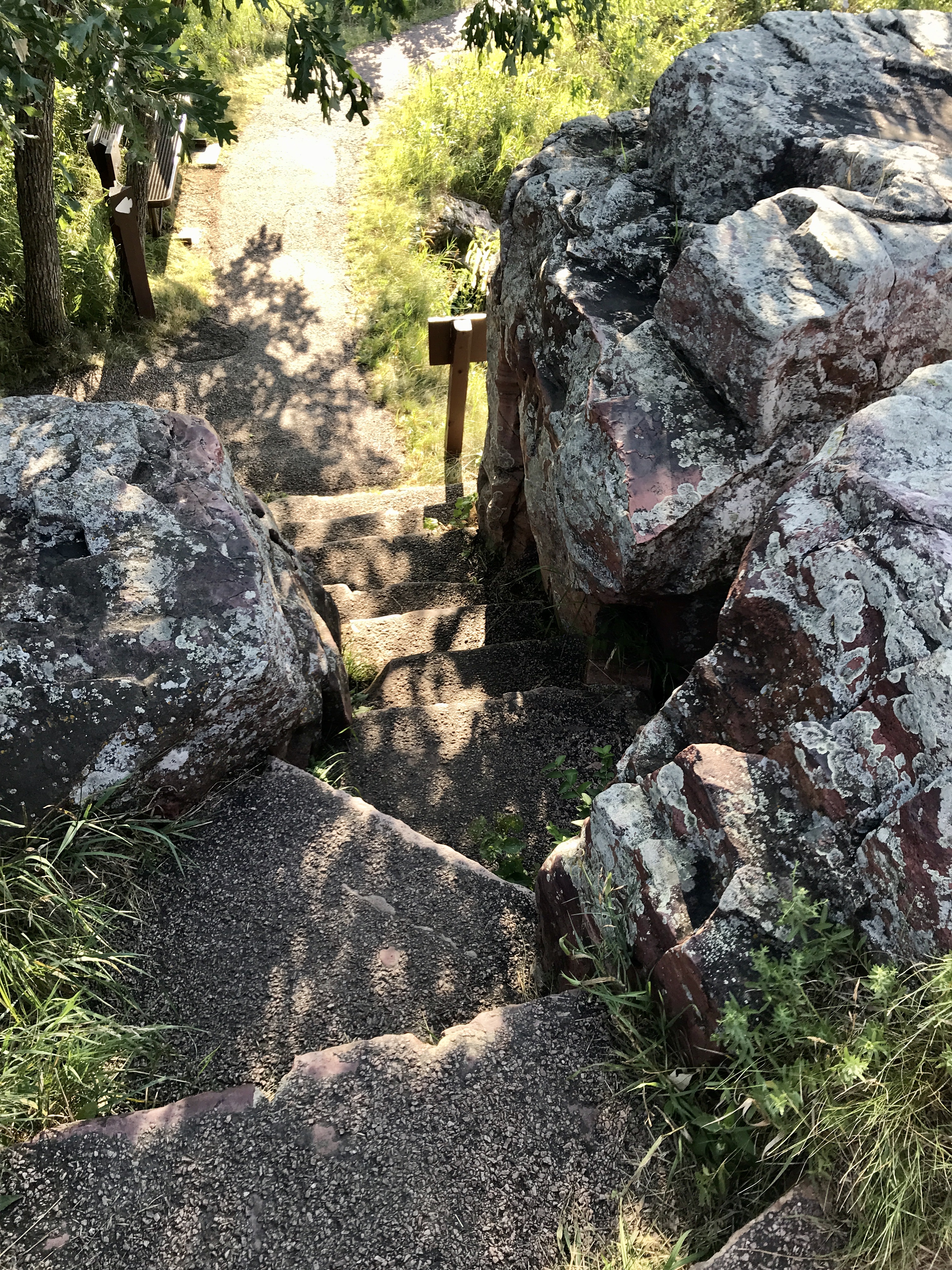
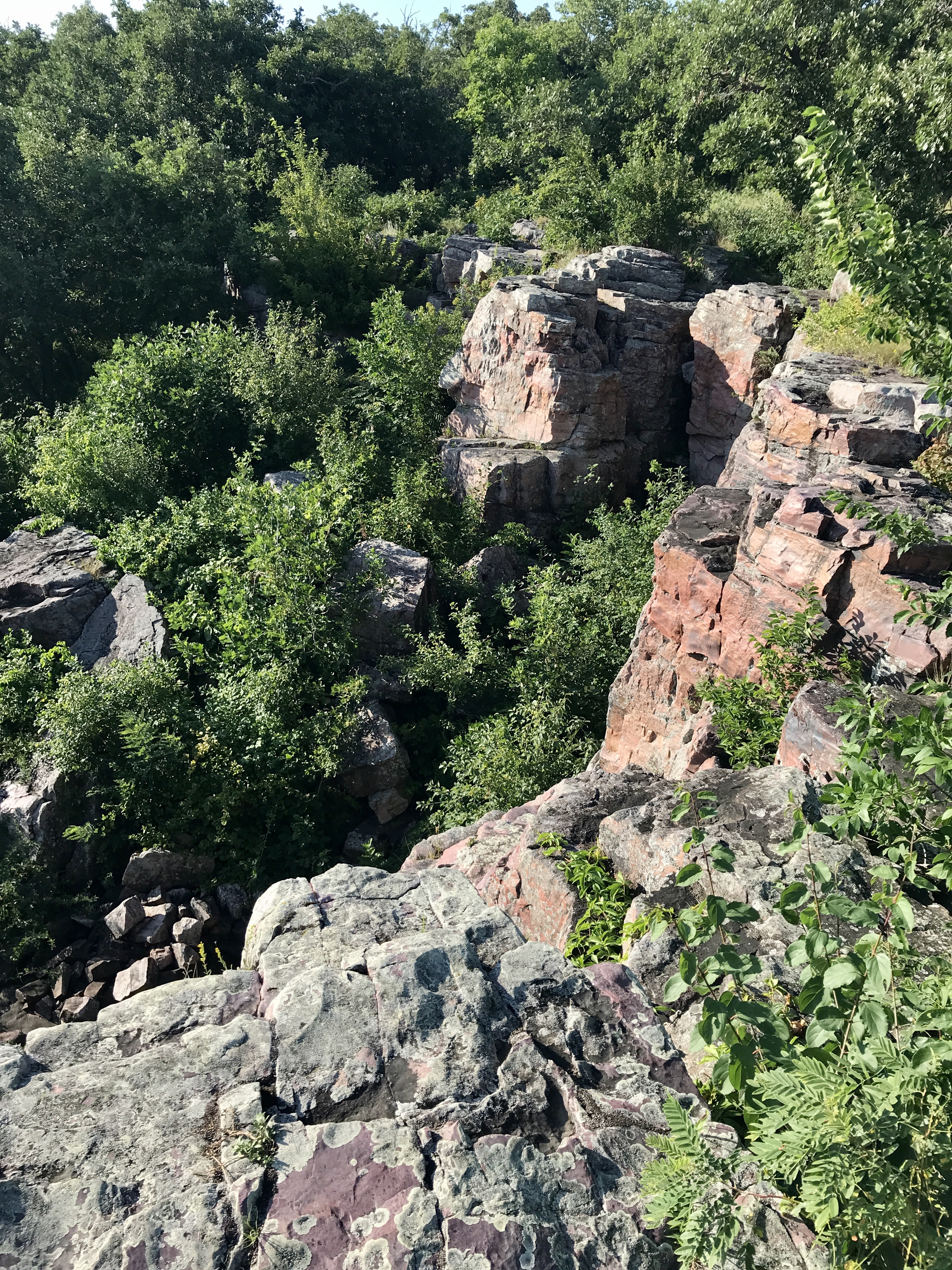
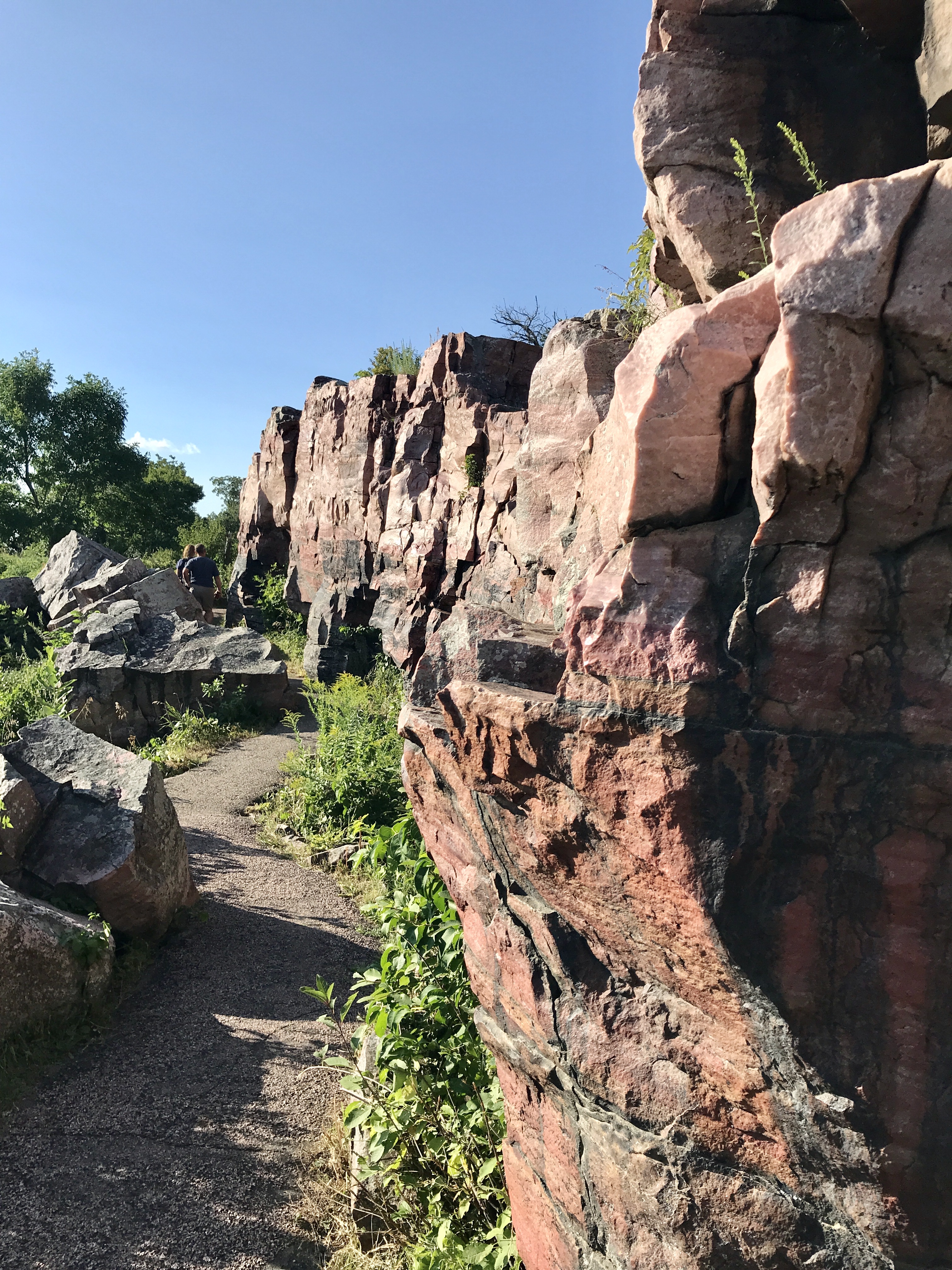
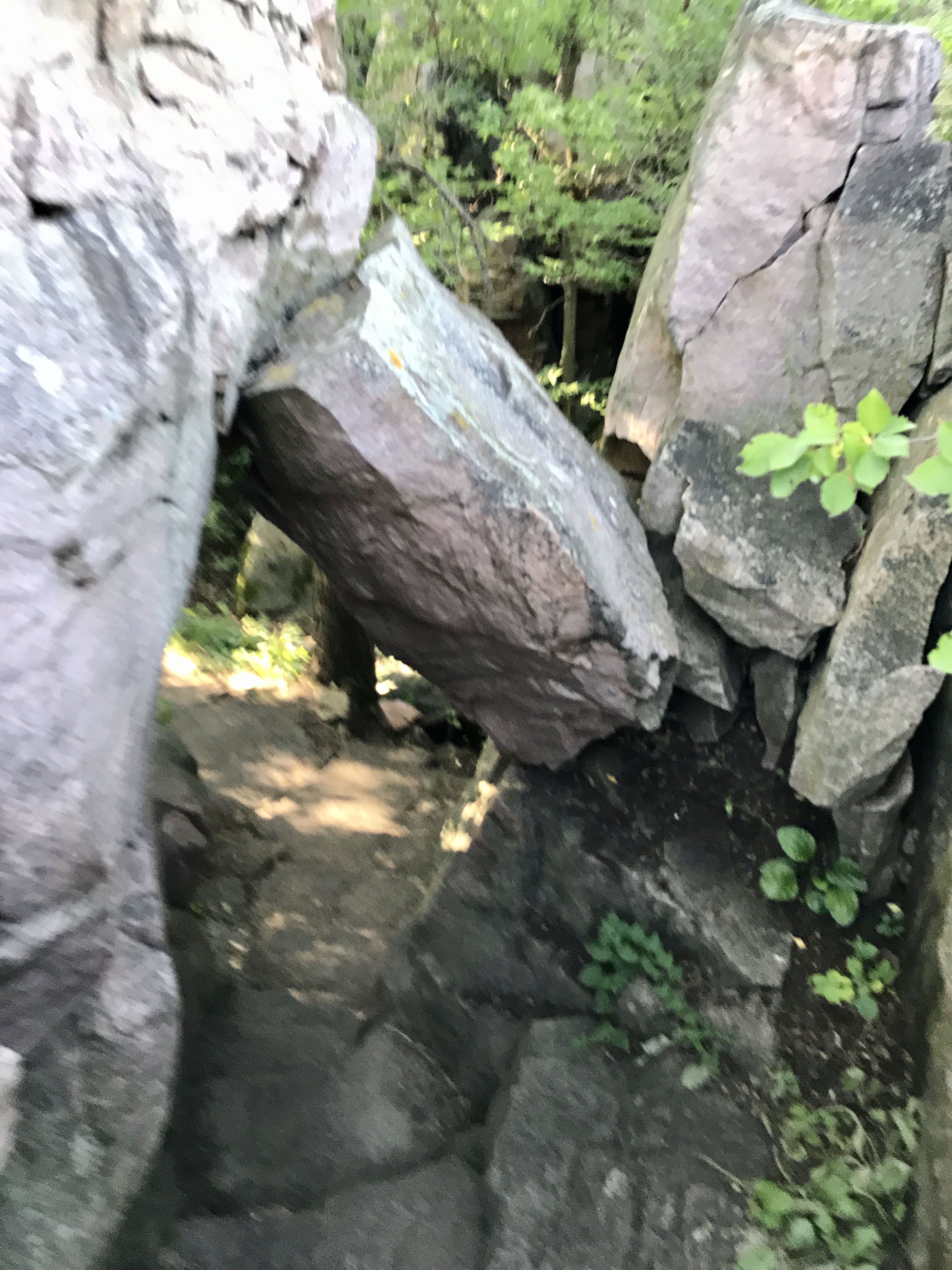
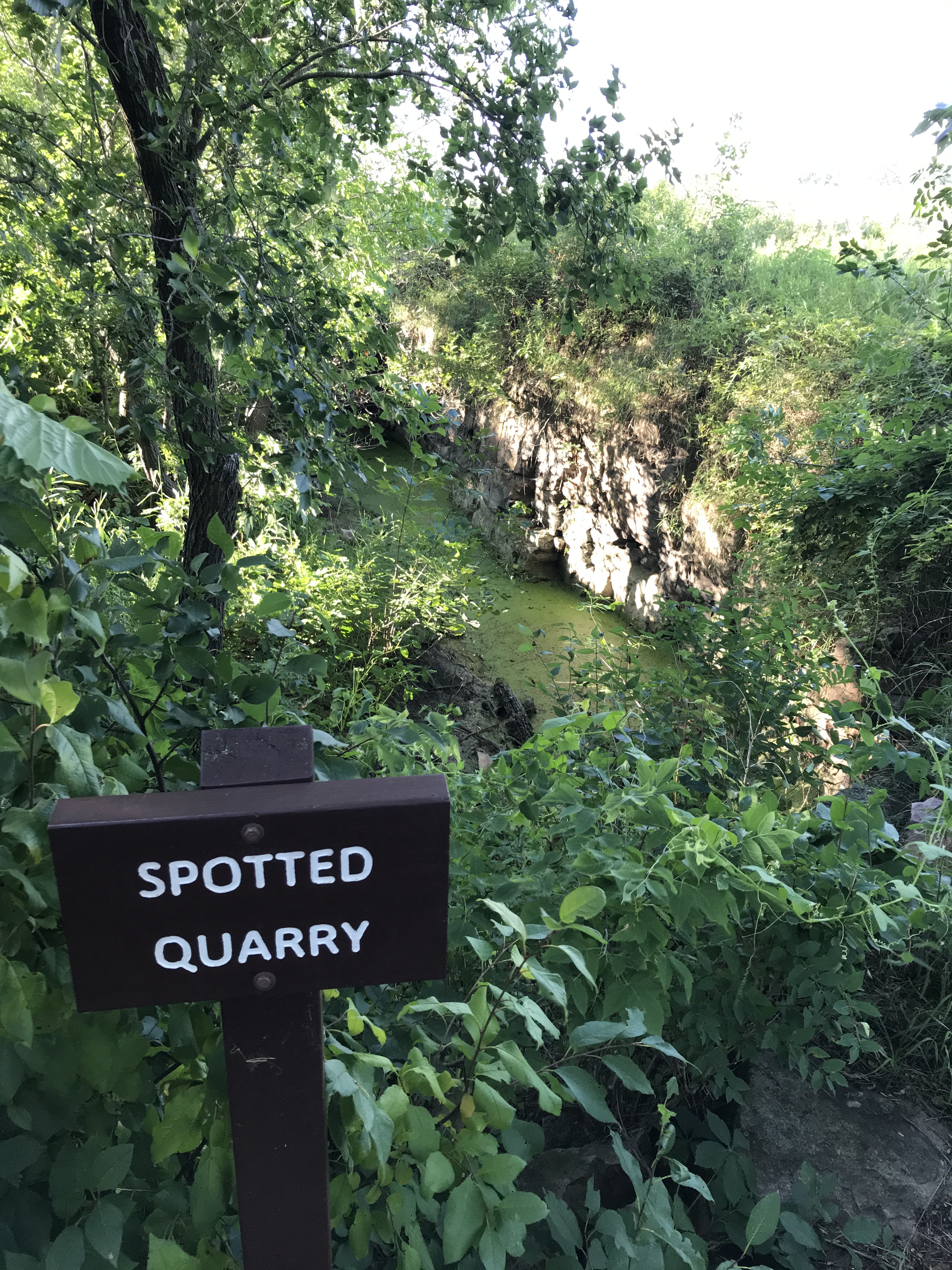
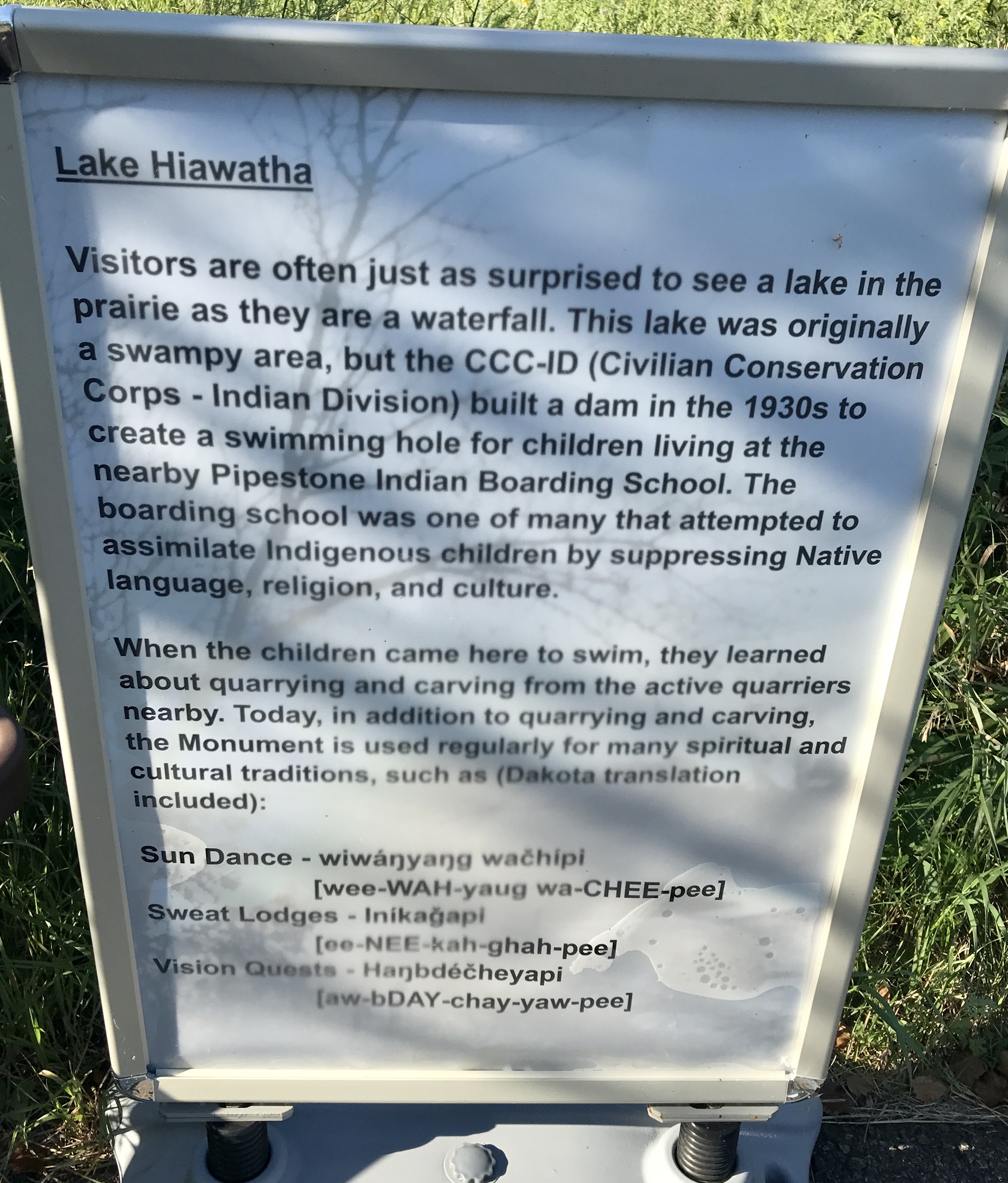
The Dakota Sioux controlled this quarry from 1700 to the mid 1850’s before American settlement started poaching the valuable mineral. This red/brown stone was soft enough to carve and durable enough to last centuries. Ceremonial pipes carved from the rock for thousands of years. This stone made its way all over the Americas before the Europeans arrived. The one square mile site is a sacred place for the Plains Indians even today. The United States government protected this valuable commodity and gave exclusive quarrying rights to the Sioux. The rest of us can still respectively enjoy the stunning red quartzite cliffs, the flowering prairie, and the waterfall fed forest.
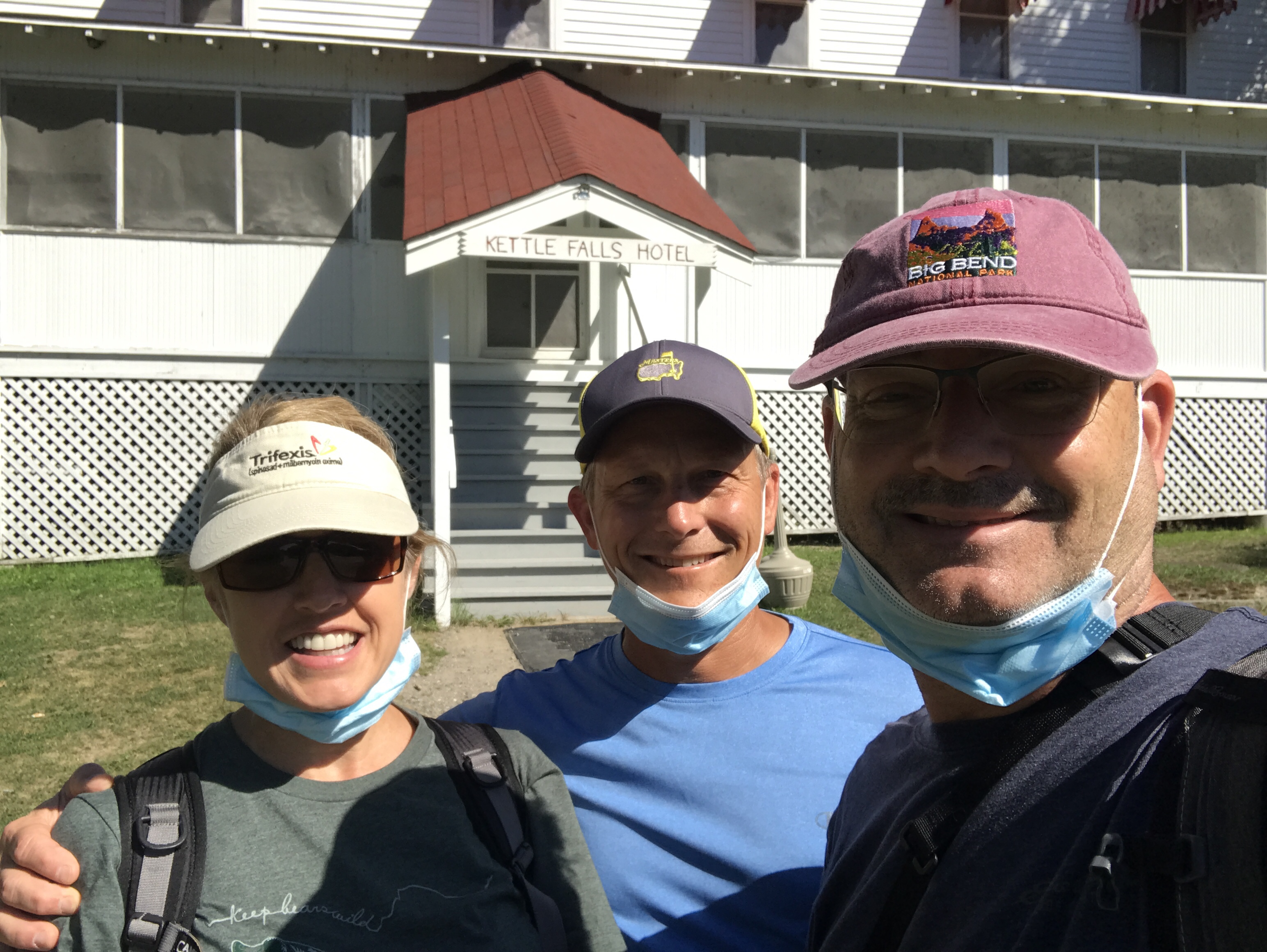
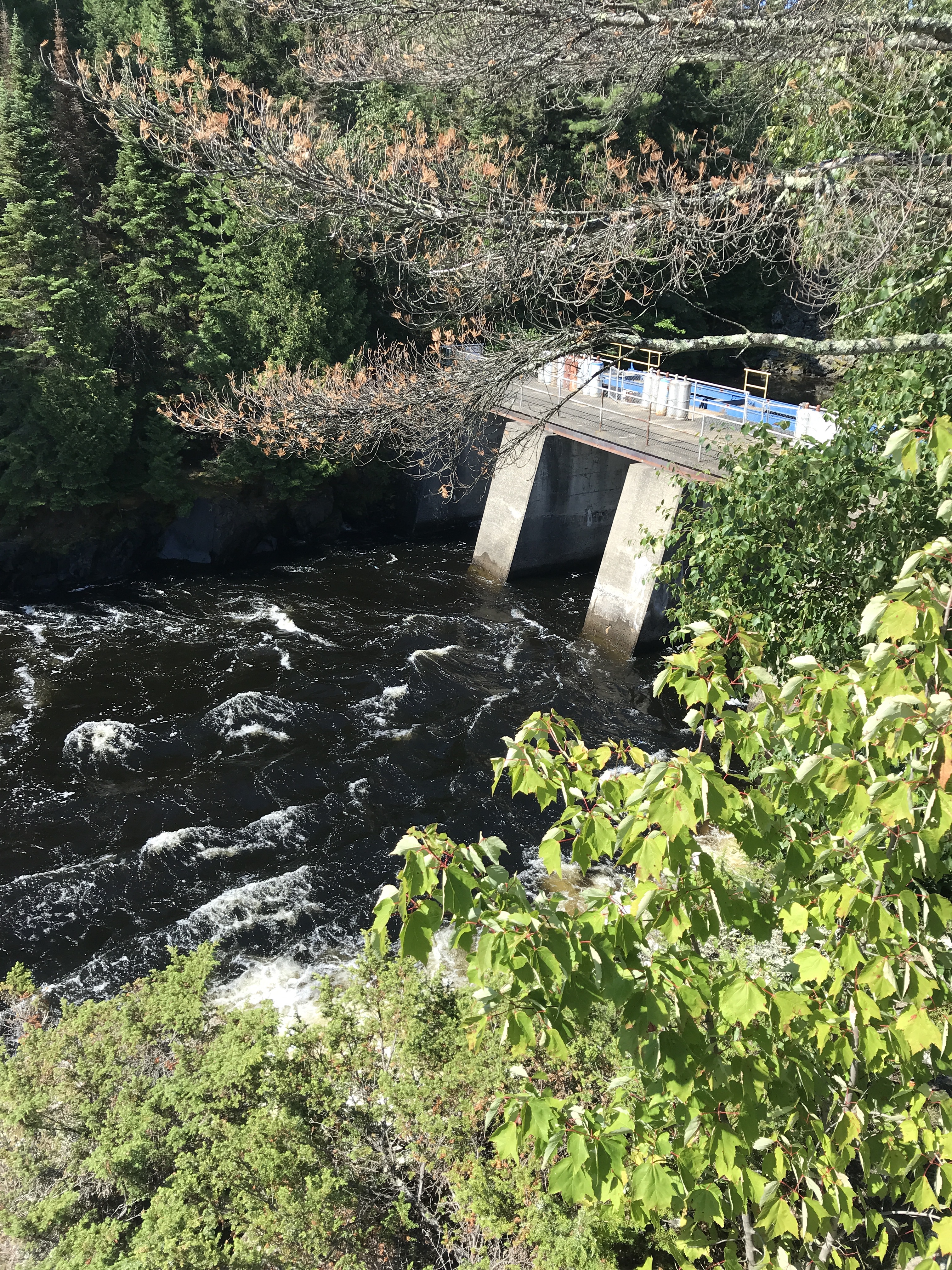
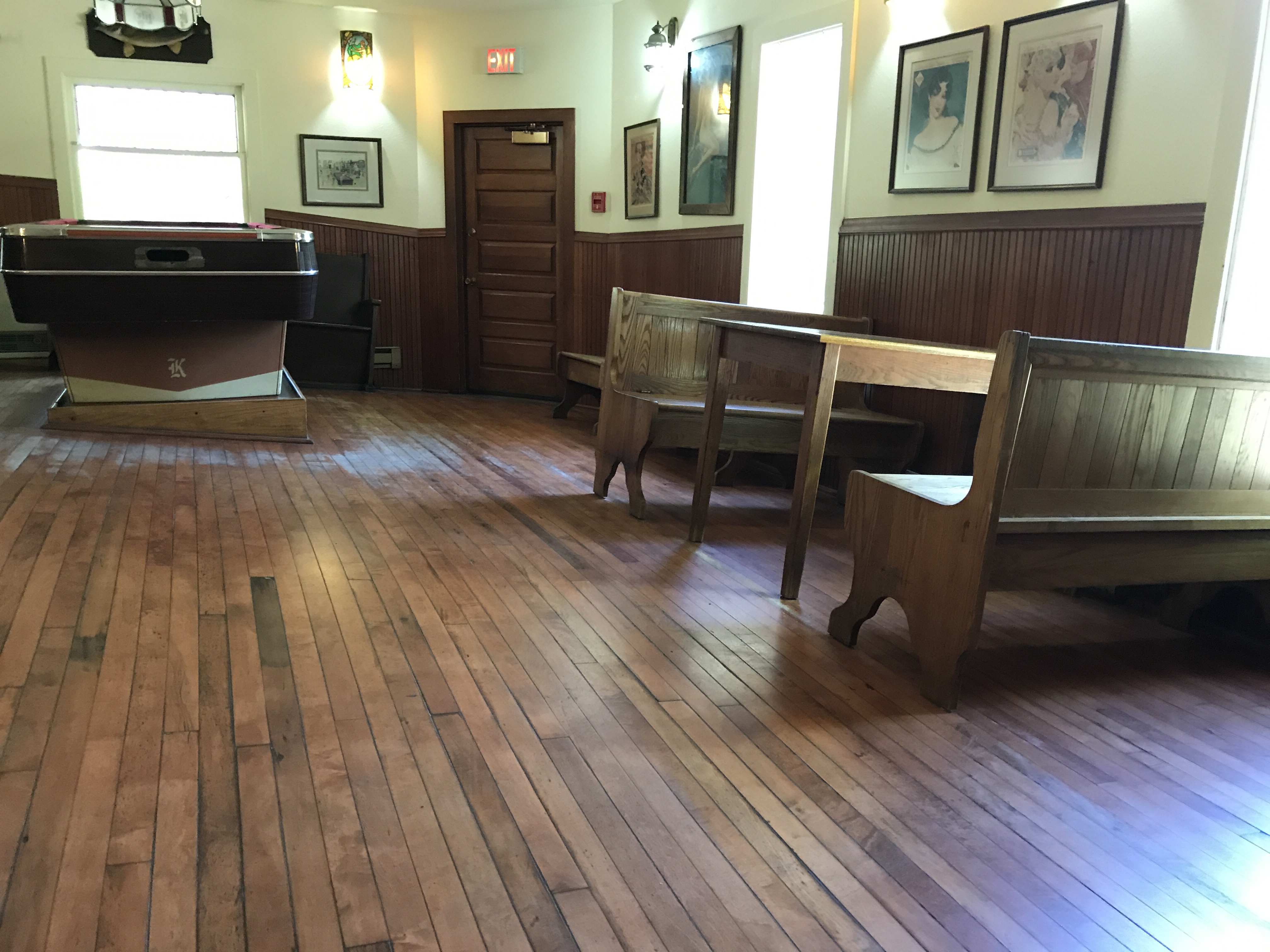
I ran into an off duty park ranger at the historic Kettle Falls Lodge in Voyageurs National Park. After we exchanged pleasantries, discovering we were both from a St Louis county in two different states, and joking about the St Louis Arch becoming a National Park, he asked, “Why did you come to up here? Let me guess – you have a list?” He continued to complain to me that the people of the lists just stop at the visitor centers and get “passport” stamps and never really see Voyageurs. He shook his head slowly.
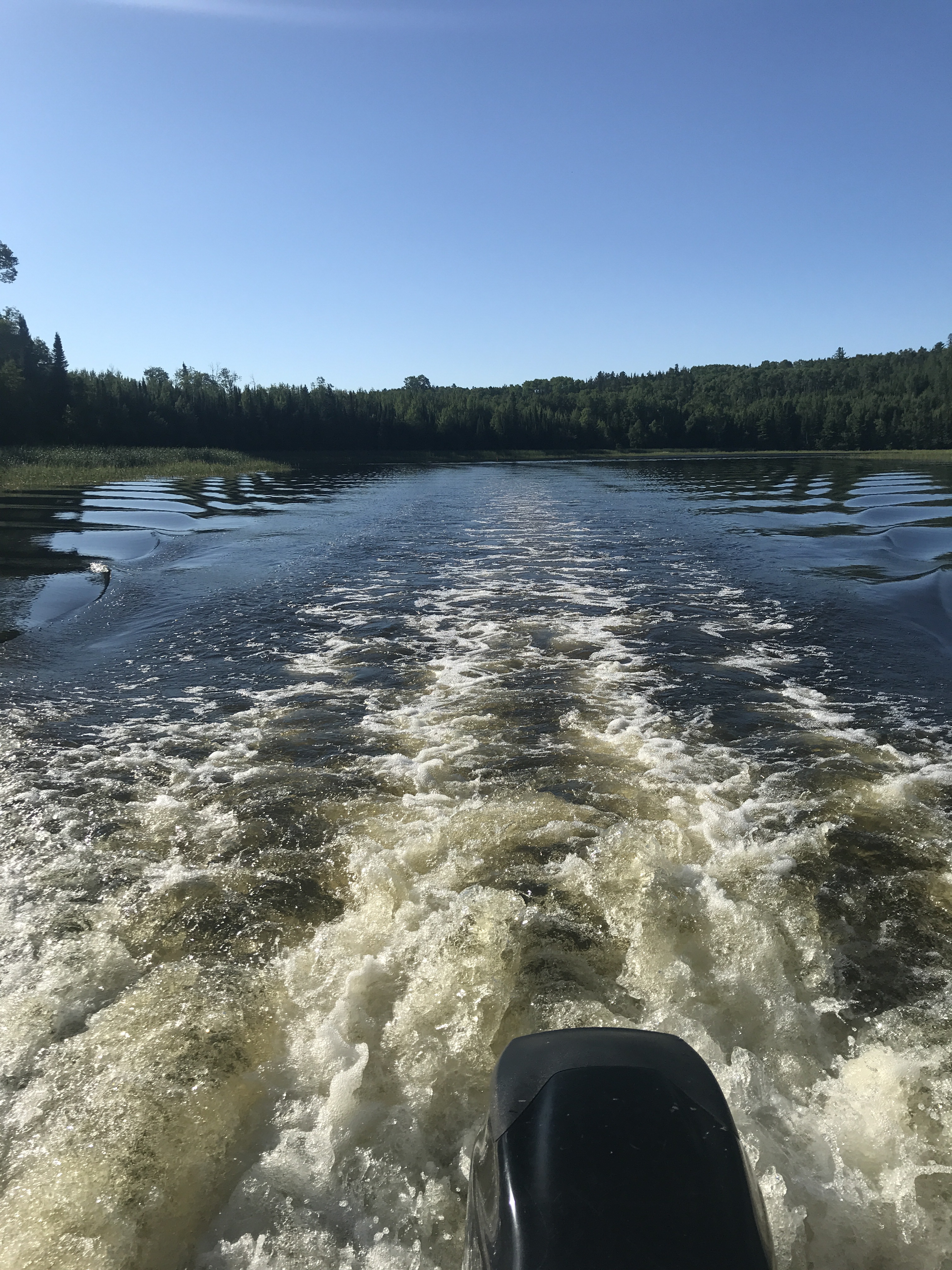
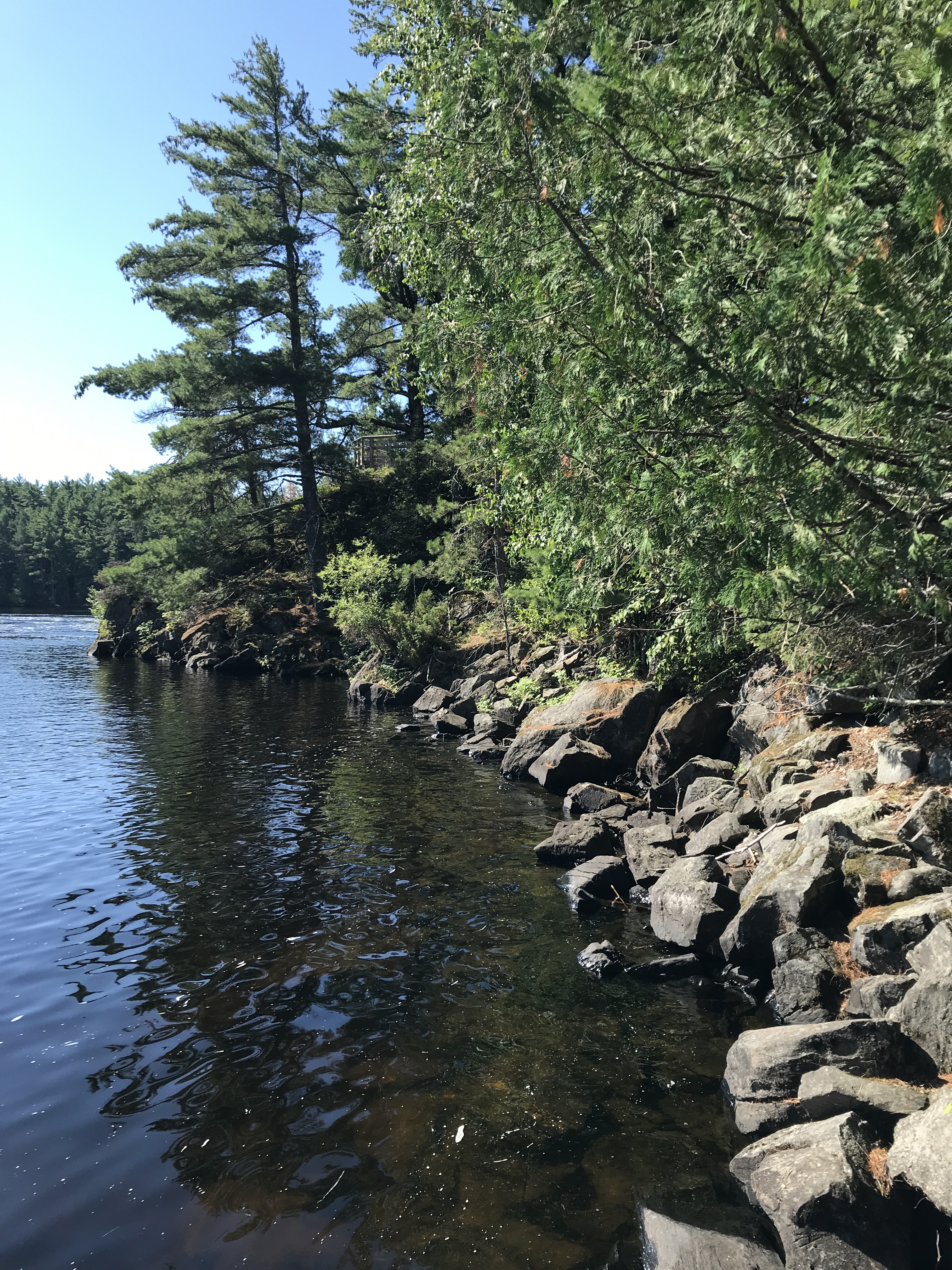
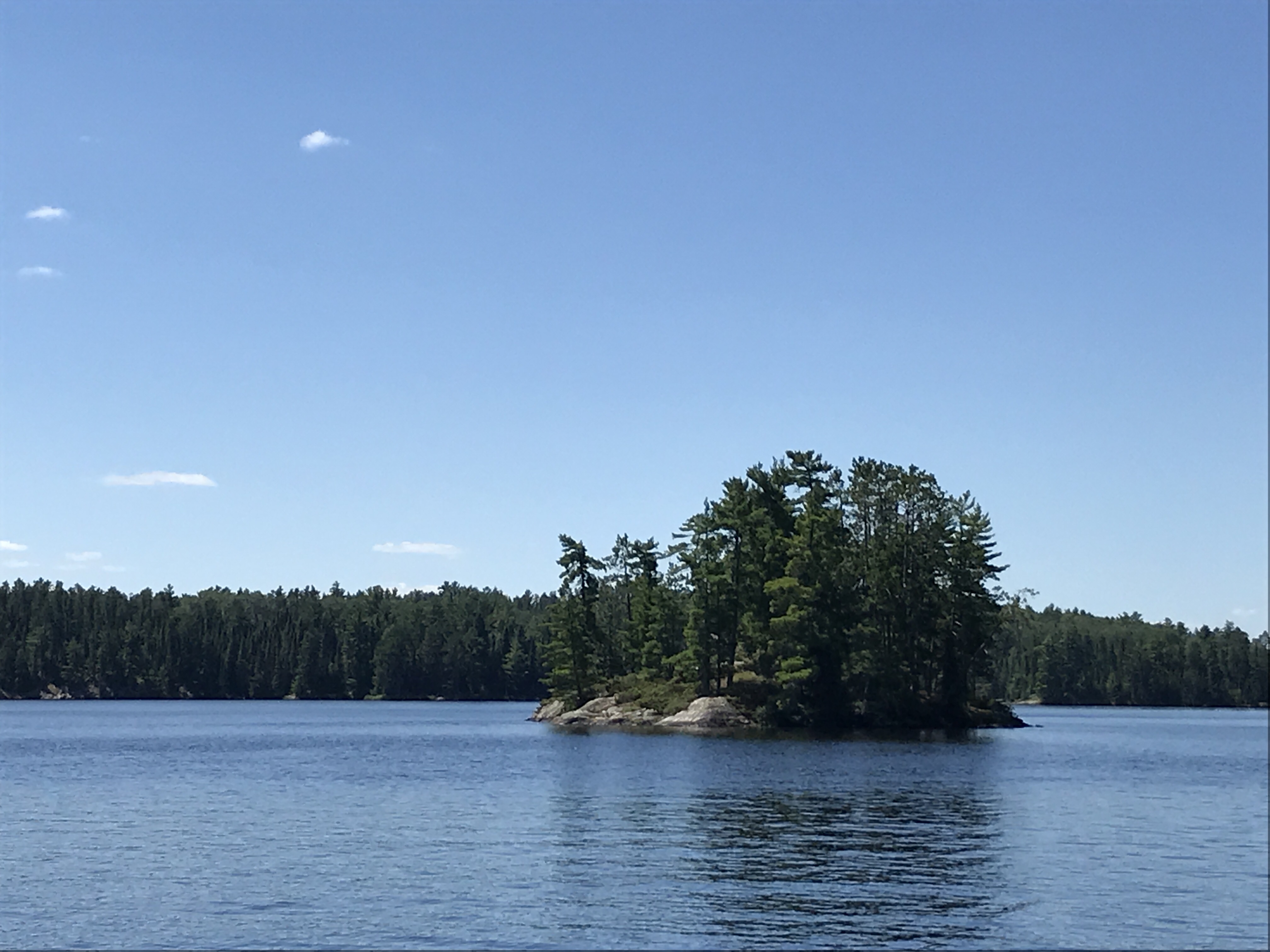
Of course I have a list. This is my 50th National Park out of the current number of 62. My group had rented a boat and were seeing the park. I don’t think the ranger noticed. He may have just wanted to preach a bit. He finally sped away in his speedboat equipped with dual 150HP motors leaving us to slowly explore the park in our 50 HP powered, dinted pontoon boat. Pre-Cambrian rocks 2.8 Billion years old
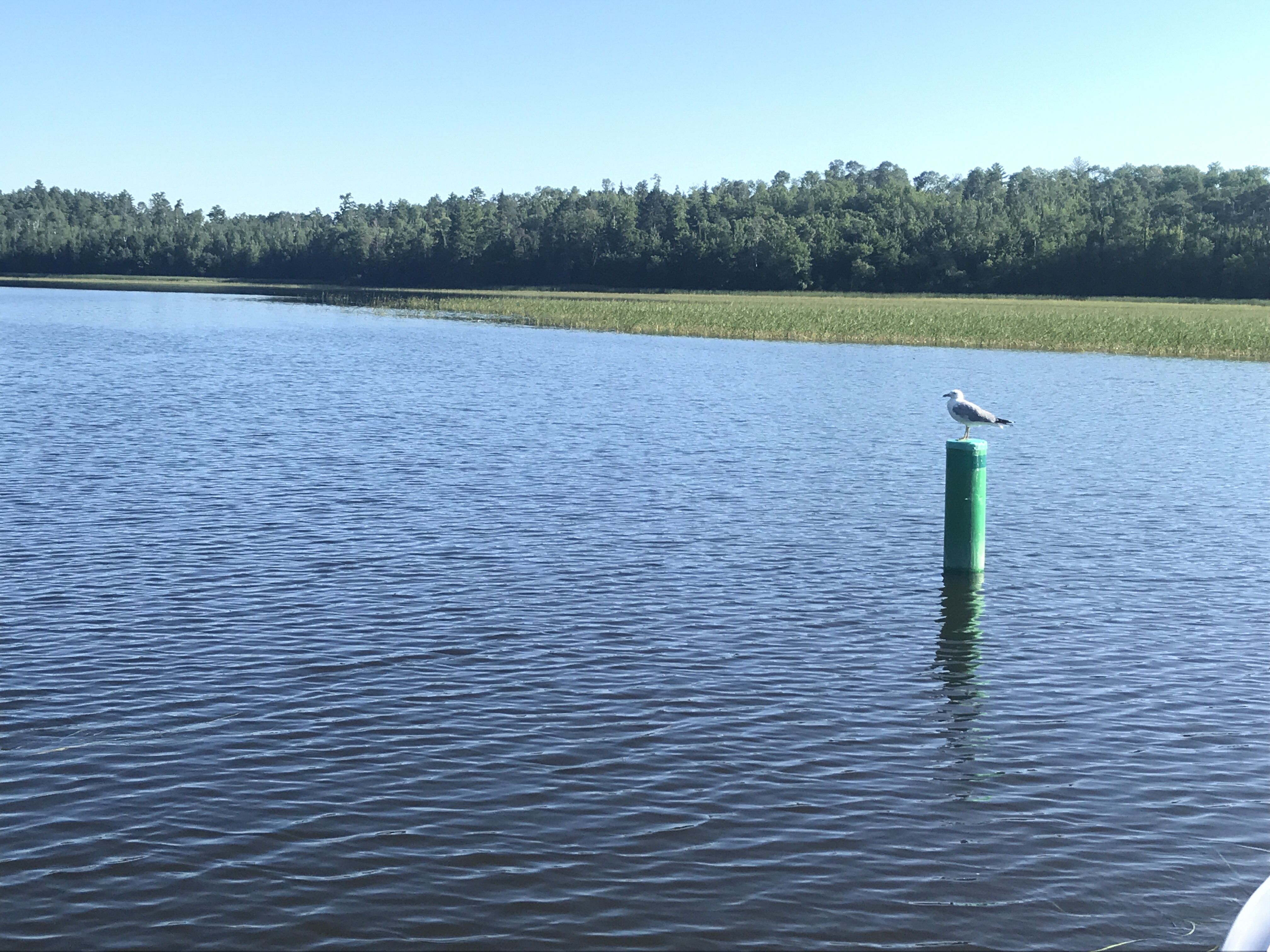
Sunset in northern Minnesota. 48.6 degrees north latitude.
Time to “wake” up
Bracket Fungi
The Precambrian spine of North America
Voyageurs from St Louis MO to St Louis MN
Kettle Falls Beauty
Voyageurs met at this portage site for hundreds of years
I am from Missouri, and I had no idea how much there is to appreciate about my neighbor state Kansas. With the Covid-19 running rampant my wife and I explored central Kansas. And it was lovely.
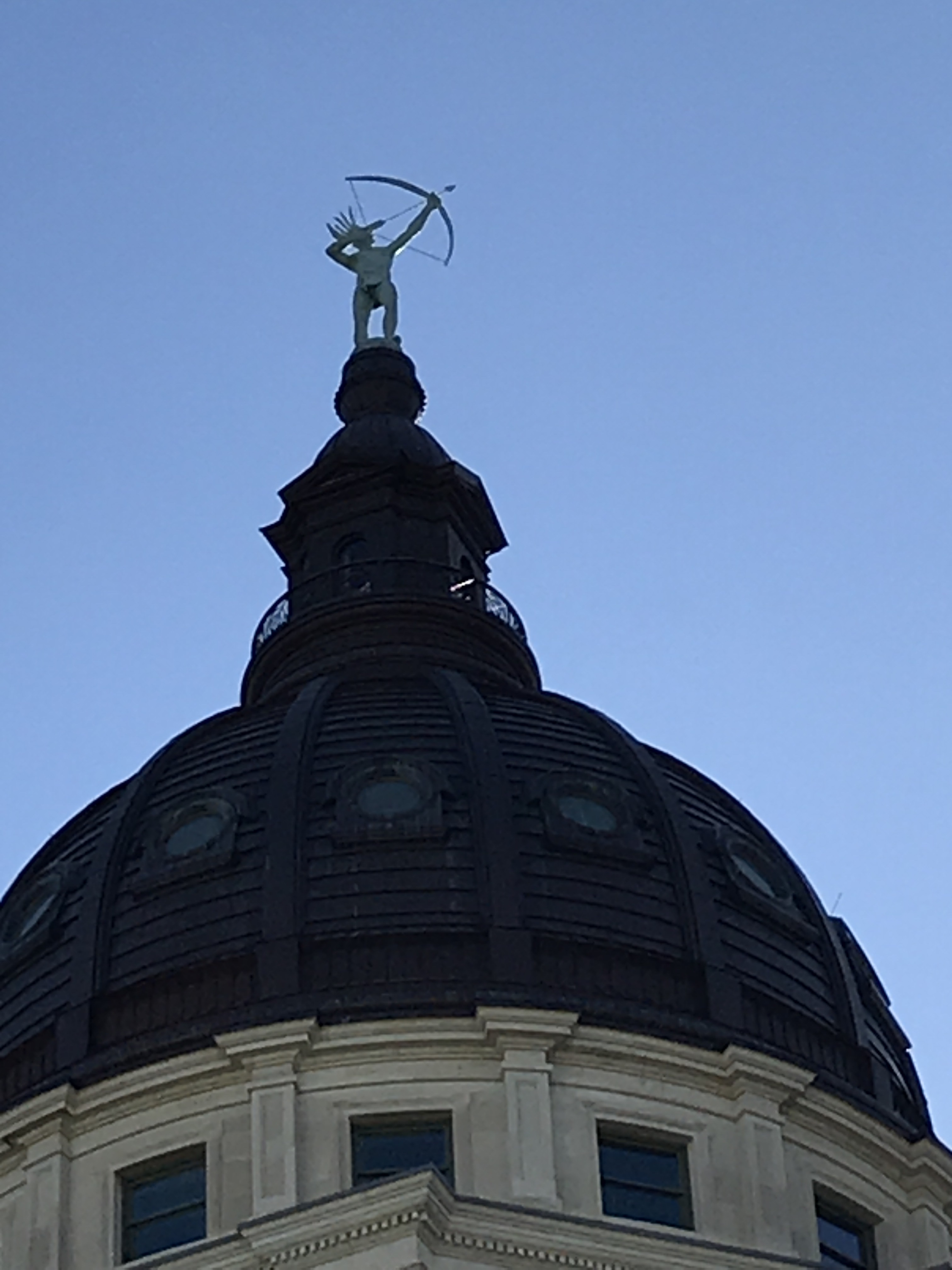
The Capitol Shines
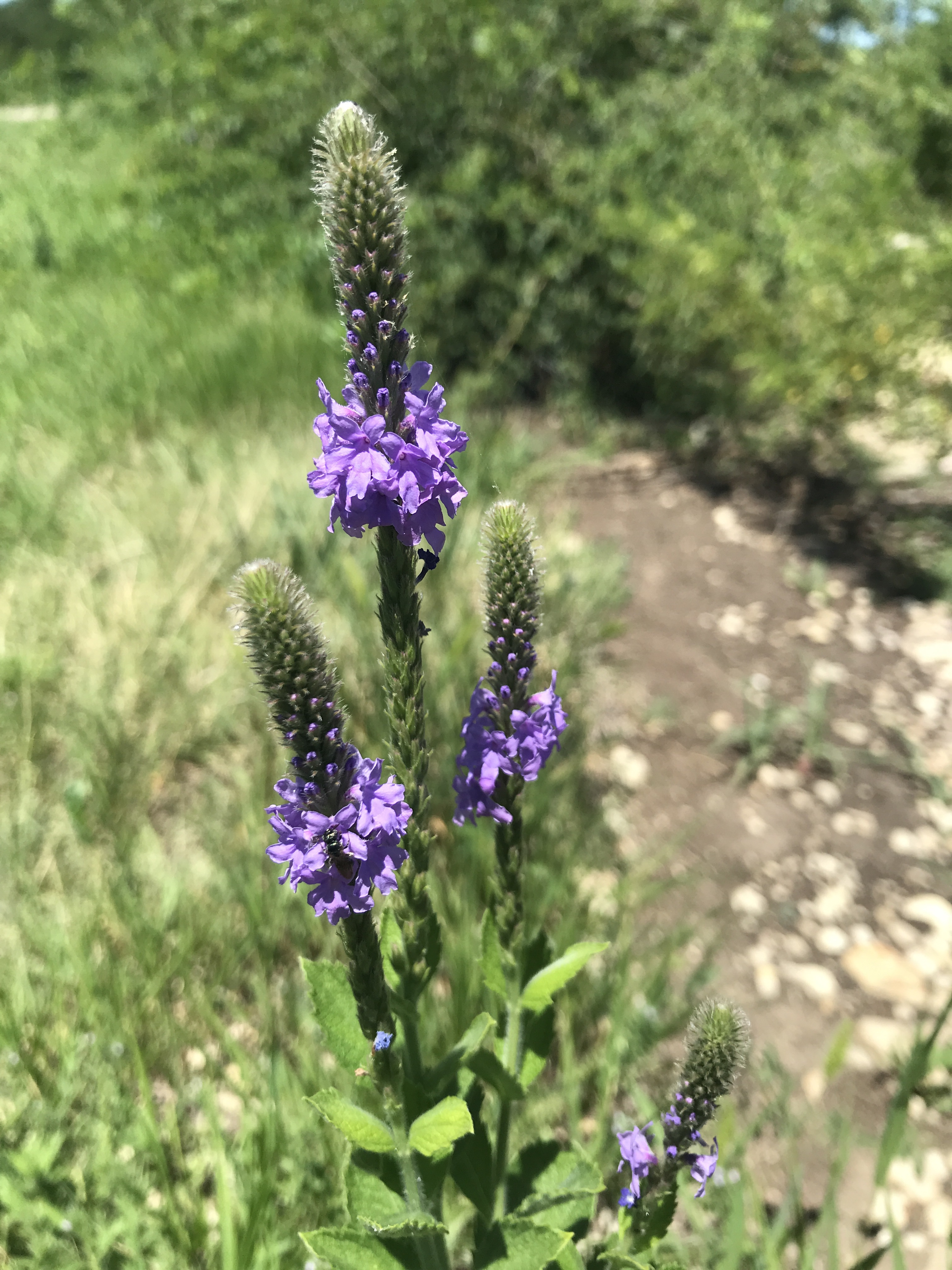
Blazing Star? prairie purple.
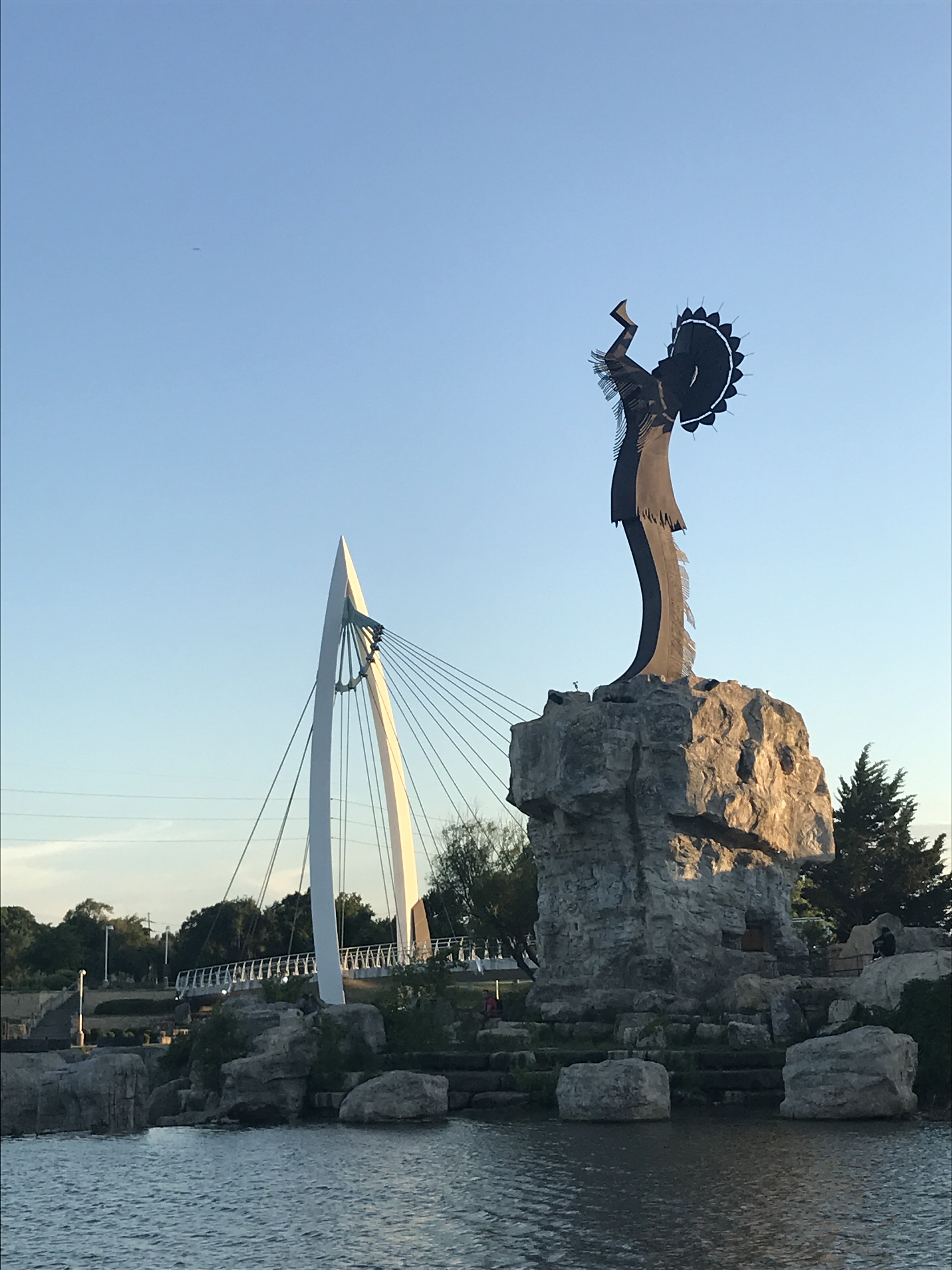
The Keeper of the Plains
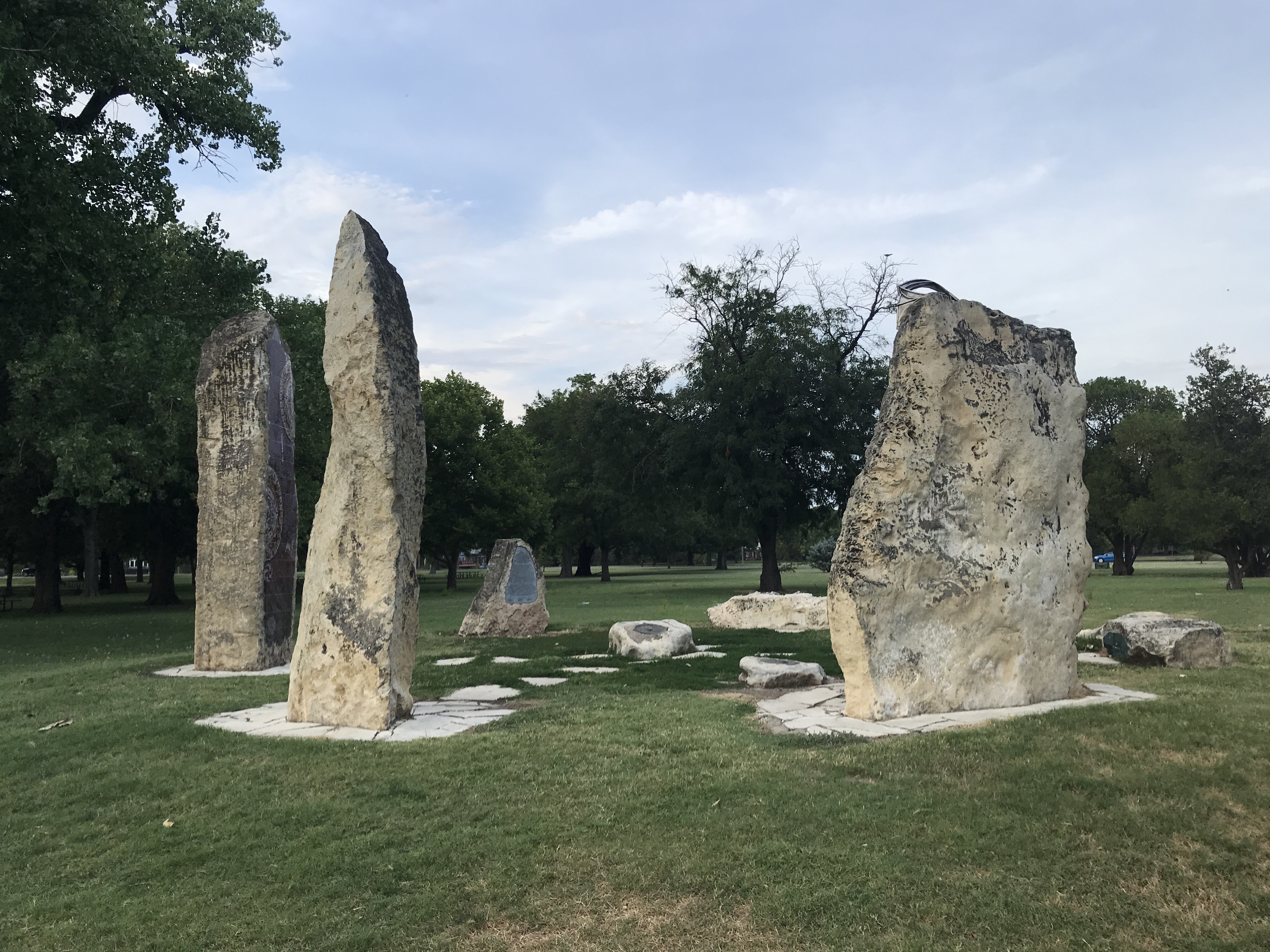
The Solstice Eye – Meet Me On The Equinox
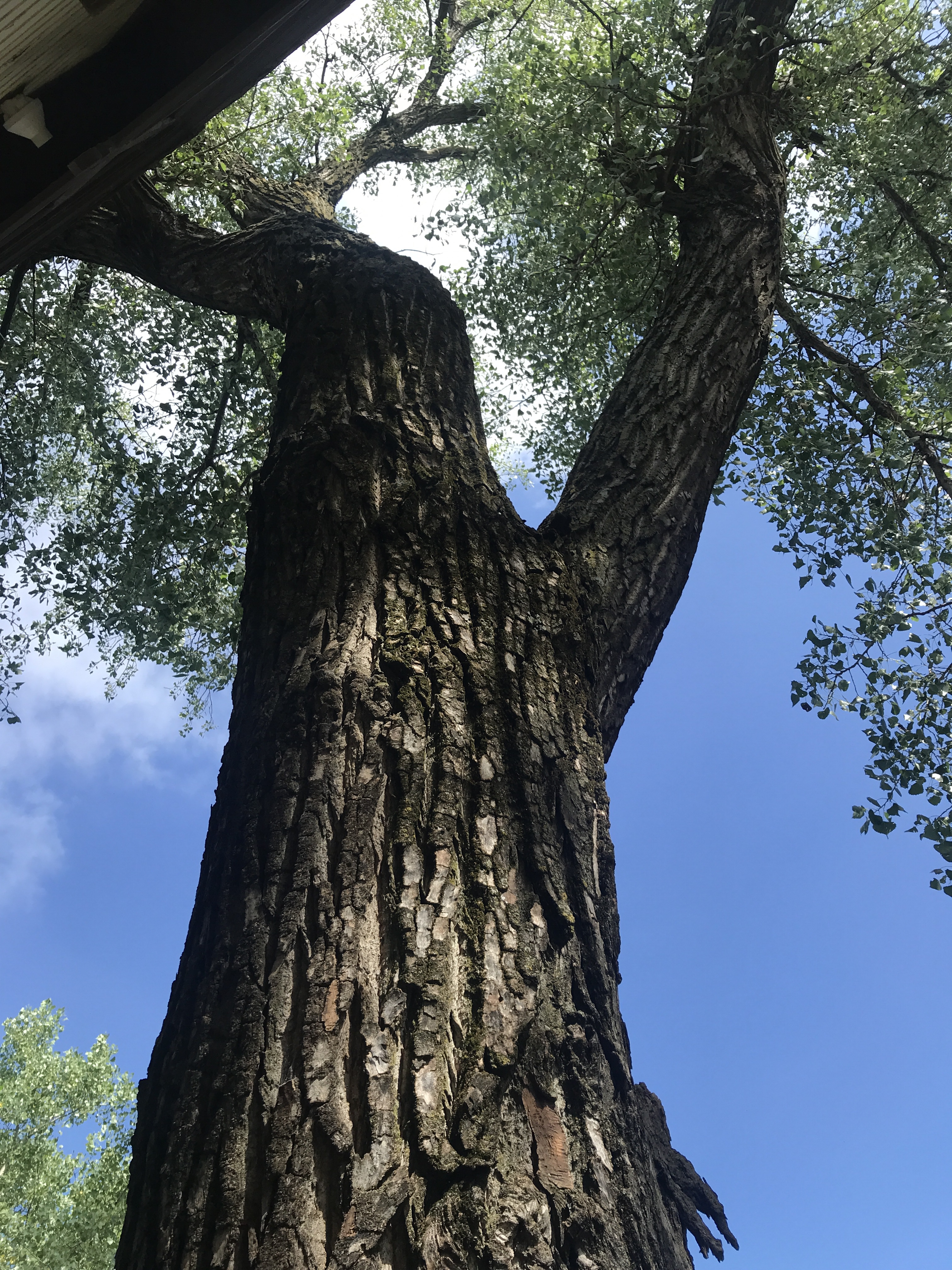
Majestic Cottonwood Sentinels
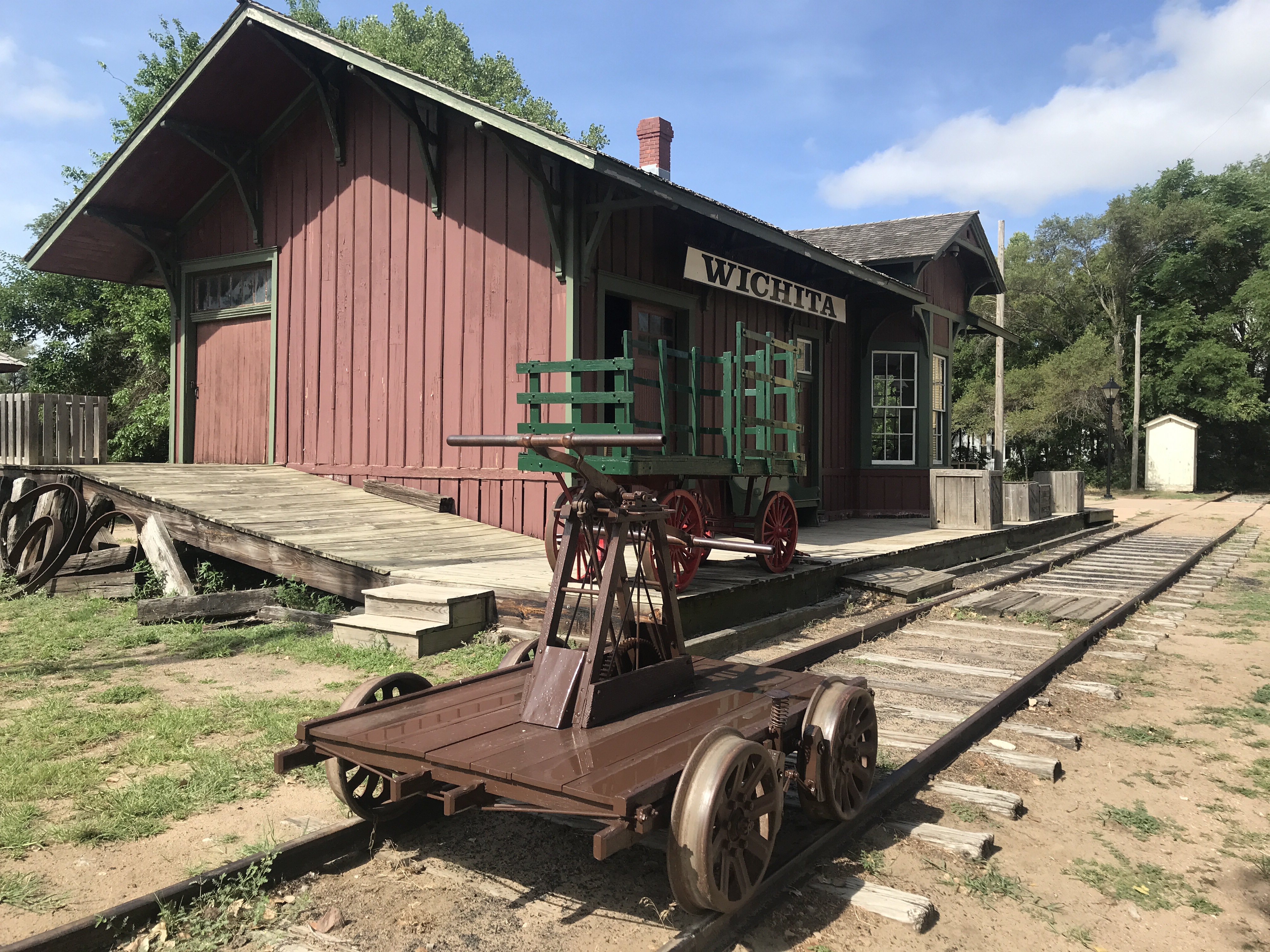
Just A Simple Old Cow Town – Wichita
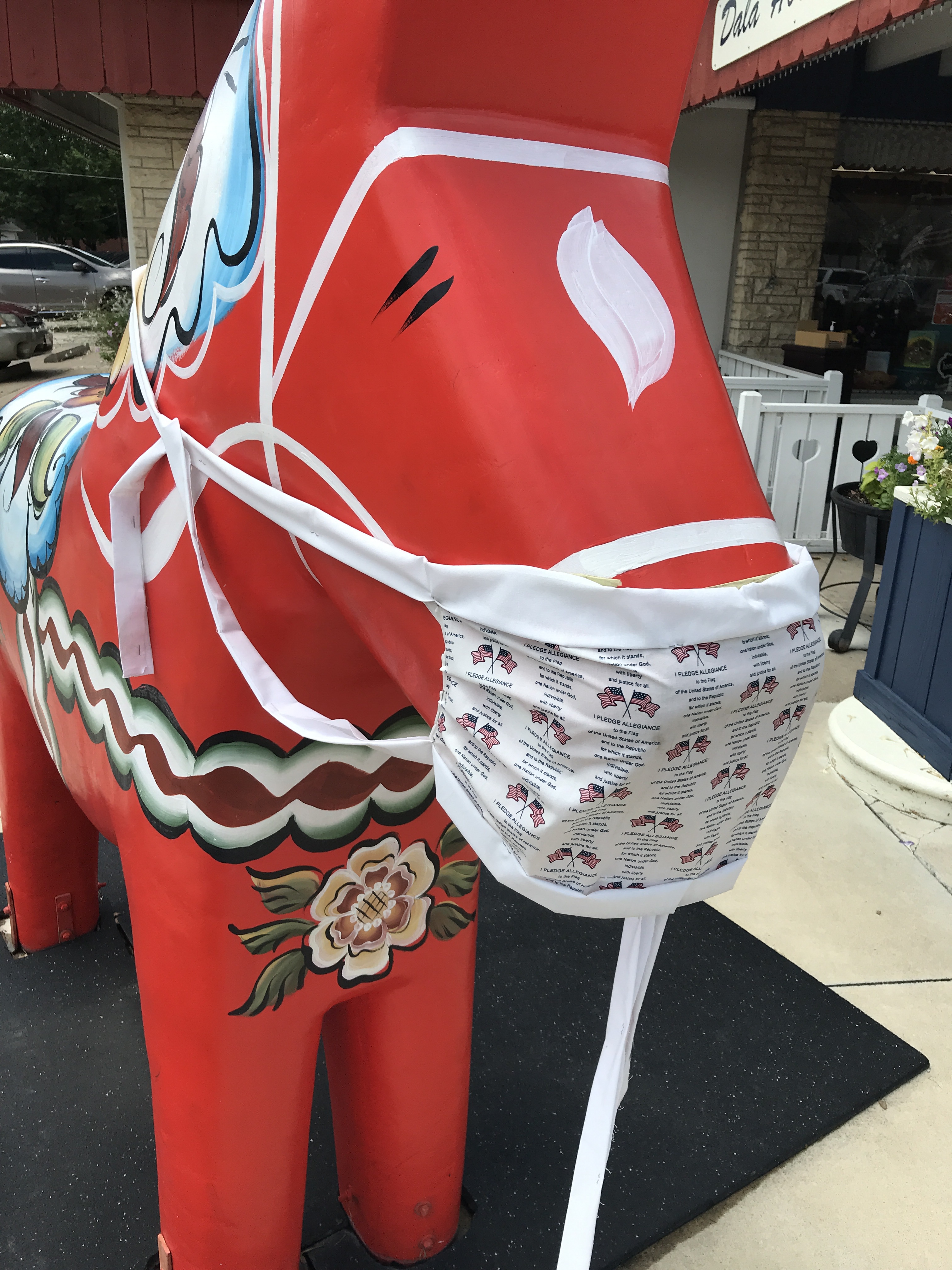
Lindsborg Kansas – Little Sweden
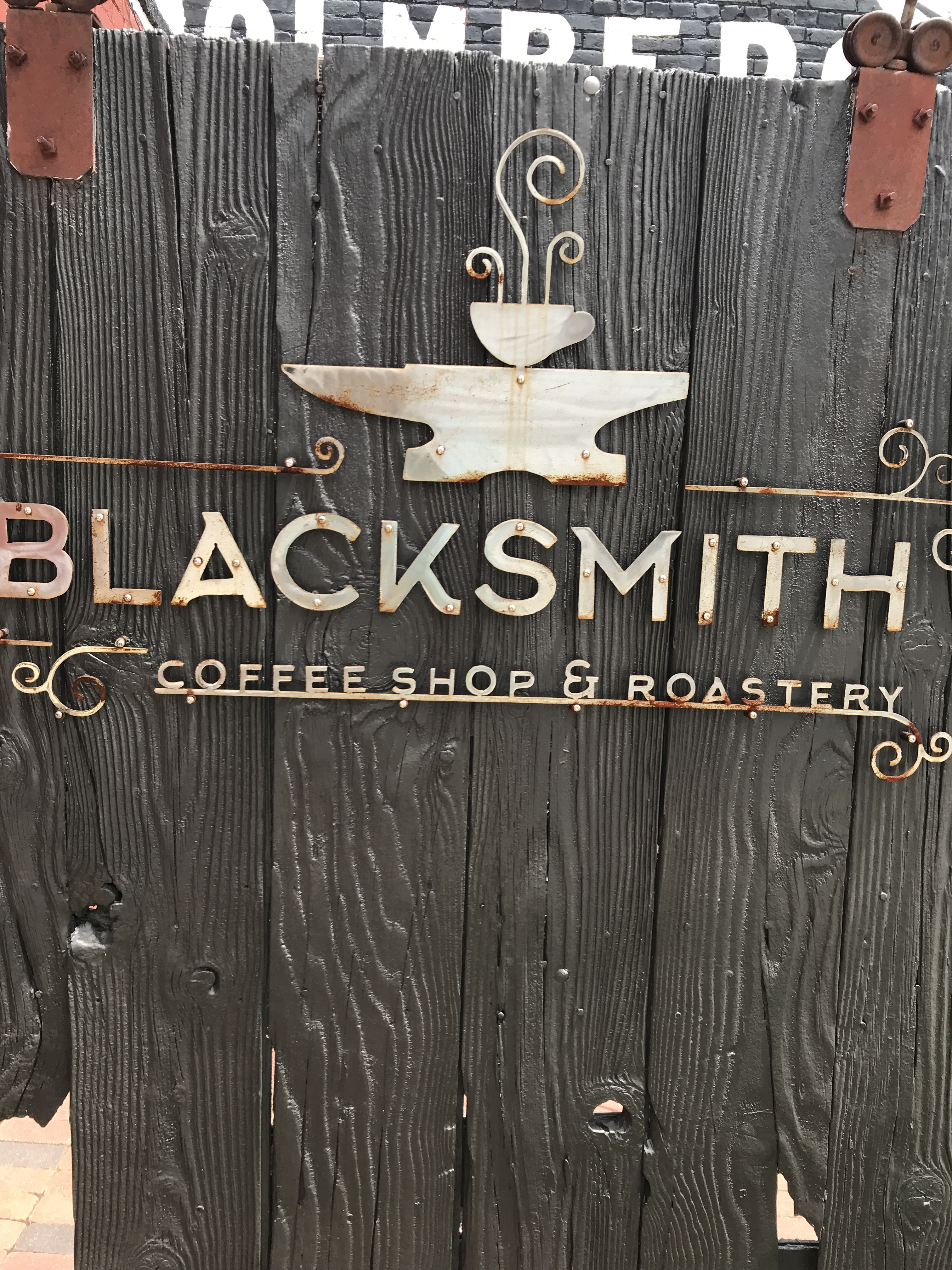
Amazing Smells – Coffee Roasting – Lattes Brewing
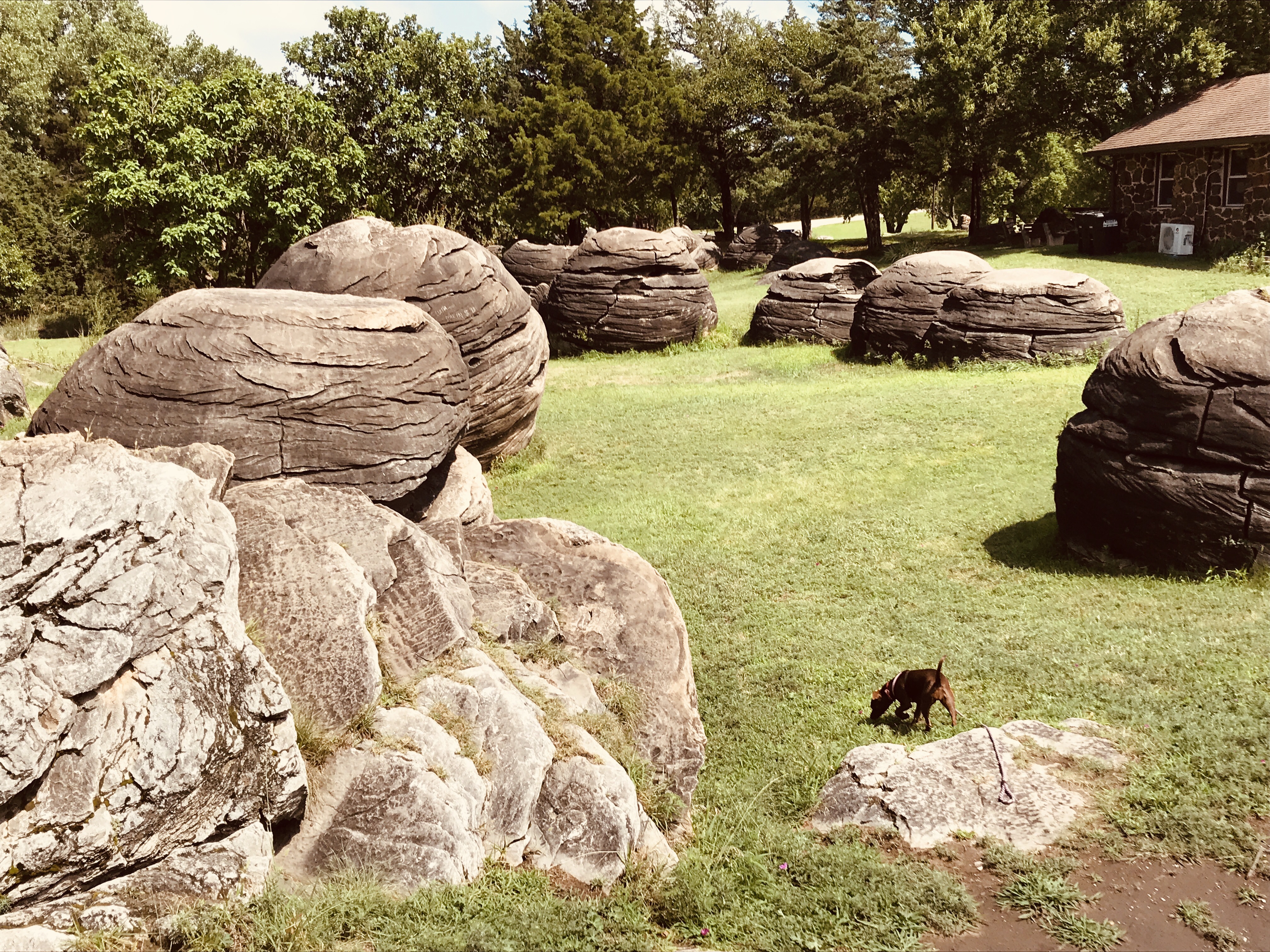
Concretions of sand and calcium carbonate – Rock City
























 Pre-Cambrian rocks 2.8 Billion years old









 Freshly "Pic'ed"